
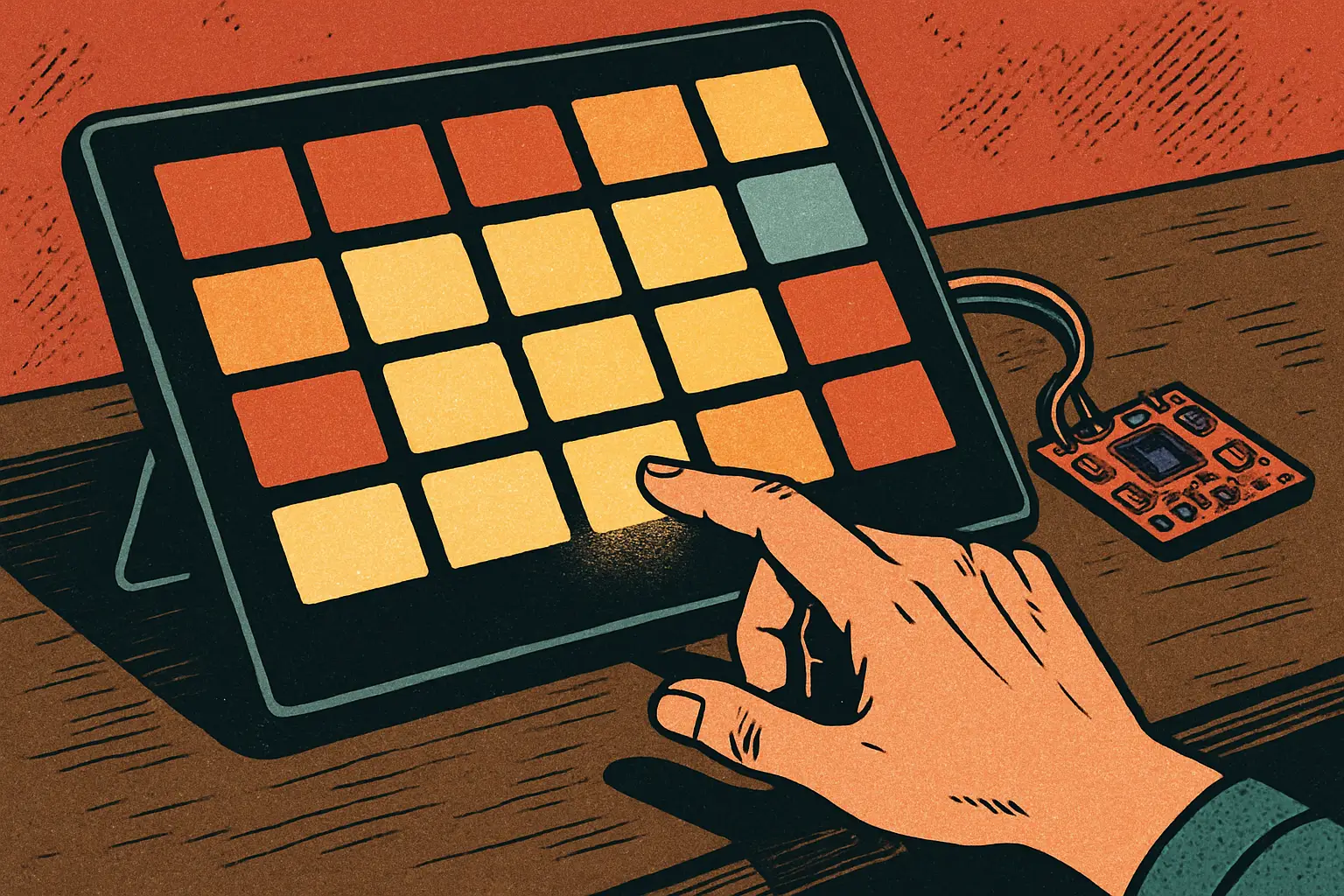
Stream32 Builds an Open-Source Stream Deck on ESP32
Stream32 pairs an ESP32 with a 4-inch or 10.1-inch touchscreen to make a fully customizable open-source Stream Deck alternative you can reflash yourself.

Macro pads are one of those accessories where the hardware is simple and the software is the whole product — which is exactly why they are such satisfying open-source targets. Stream32, featured on Hackaday on August 1, is developer Fady Faheem's take: ESP32 firmware that turns an off-the-shelf touchscreen into a configurable shortcut panel, with the code, the layout and the functionality all yours to change.
- ESP32-based firmware that drives a touchscreen shortcut panel with configurable pages
- Two supported displays out of the box: a 4-inch Waveshare LCD or a roomier 10.1-inch Elecrow panel
- Fully open source on GitHub, with code, functionality and visual layout all user-modifiable
- Build path is four steps: get a display, connect an ESP32, flash the firmware, define your shortcut pages
What Makes Stream32 Different From a Commercial Stream Deck?
Commercial stream decks are excellent hardware locked to a specific button count and a specific companion app. Stream32 inverts that. The firmware is written to adapt to the display rather than the other way around, so it ships supporting a 4-inch Waveshare LCD and a 10.1-inch Elecrow panel — and Faheem explicitly frames adapting it to other displays as an exercise for the builder rather than a limitation.
That is the practical difference. A 10.1-inch panel gives you an enormous grid of touch targets for the price of a mid-range accessory, and if you would rather have four large buttons than twenty-four small ones, that is a layout change in your own code rather than a different SKU.
What Do You Need to Build One?
The assembly list is short: a supported display, an ESP32, and a USB connection. Flash the firmware, then configure your shortcut pages. There is no soldering-heavy custom PCB in the loop, which is a large part of why this is a weekend project rather than a manufacturing exercise.
The ESP32 is doing the work you would expect — driving the panel, handling touch input, and sending the resulting commands to the host. It is the same reason the chip keeps turning up in projects like this one: enough horsepower for a real UI, cheap enough that a display costs more than the brains driving it. We have seen the same pattern in M5Stack Core2 firmware that clones a $230 macro pad and in the reTerminal Sticky ePaper display's four competing open firmwares.
Why Open Firmware Keeps Winning Here
There is a repeating story in maker hardware right now: someone takes a commercially successful accessory, notices the hardware is commodity, and rebuilds the software half in the open. The result is rarely as polished on day one, and almost always more flexible by month three — because the people using it are the people extending it.
Stream32 fits that pattern neatly. Faheem's repository is at github.com/FadyFaheem/Stream32, and the invitation is explicit: change the code, change the functionality, change the visual layout, make it suit your own workflow. For streamers, video editors and anyone who lives in keyboard shortcuts, that is a better deal than a fixed grid of buttons. More projects in this vein live in our mini computers section.
Sources: Hackaday — August 1, 2026; Stream32 on GitHub — accessed August 2, 2026.
More Mini Computers Stories
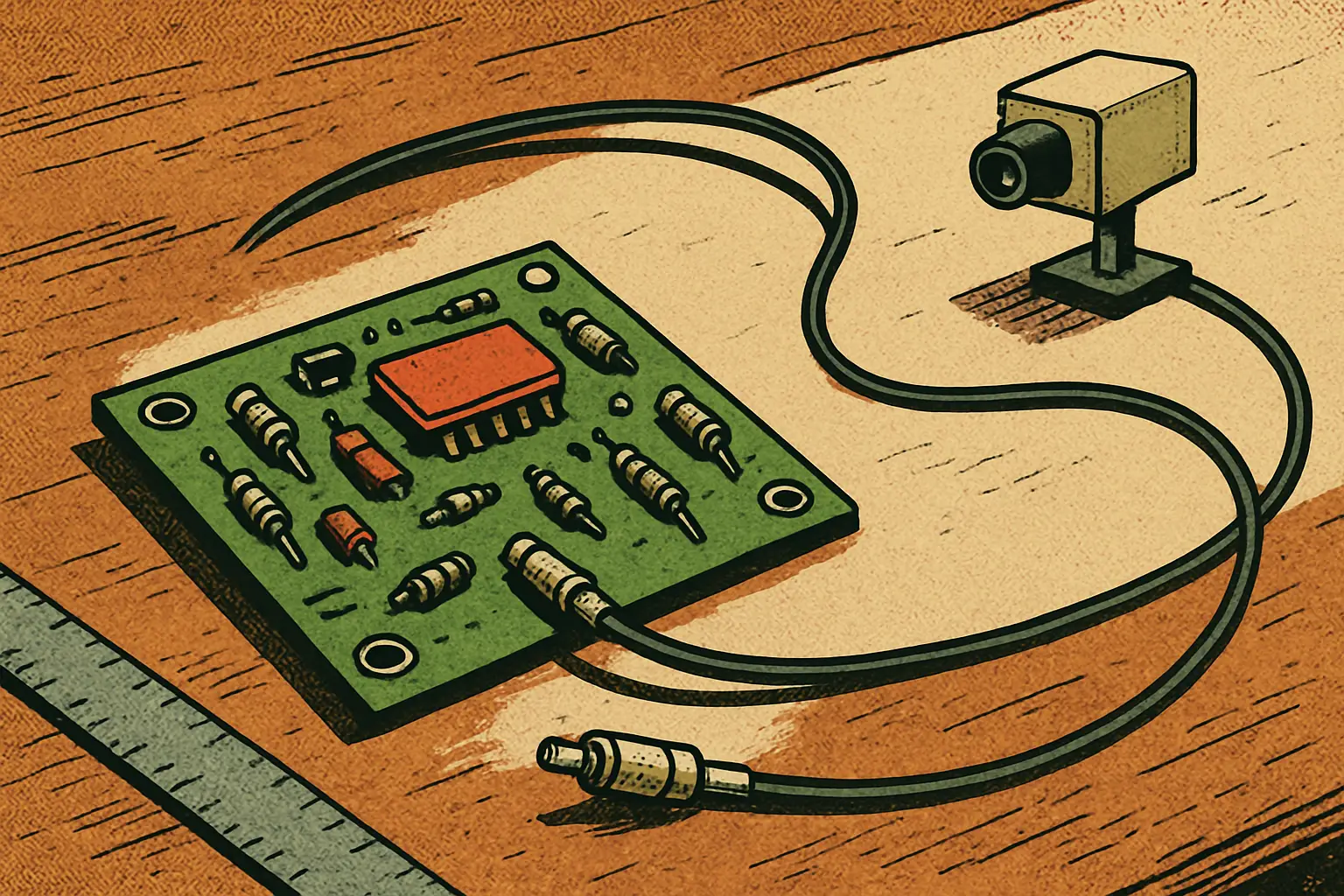
Raspberry Pi 5 GMSL2 Camera HAT Reaches 10 Meters
BE-IIS built a dual GMSL2 camera HAT for the Raspberry Pi 5 that runs two IMX708 sensors over 10-metre coax, priced at $229 plus $79 per serializer.
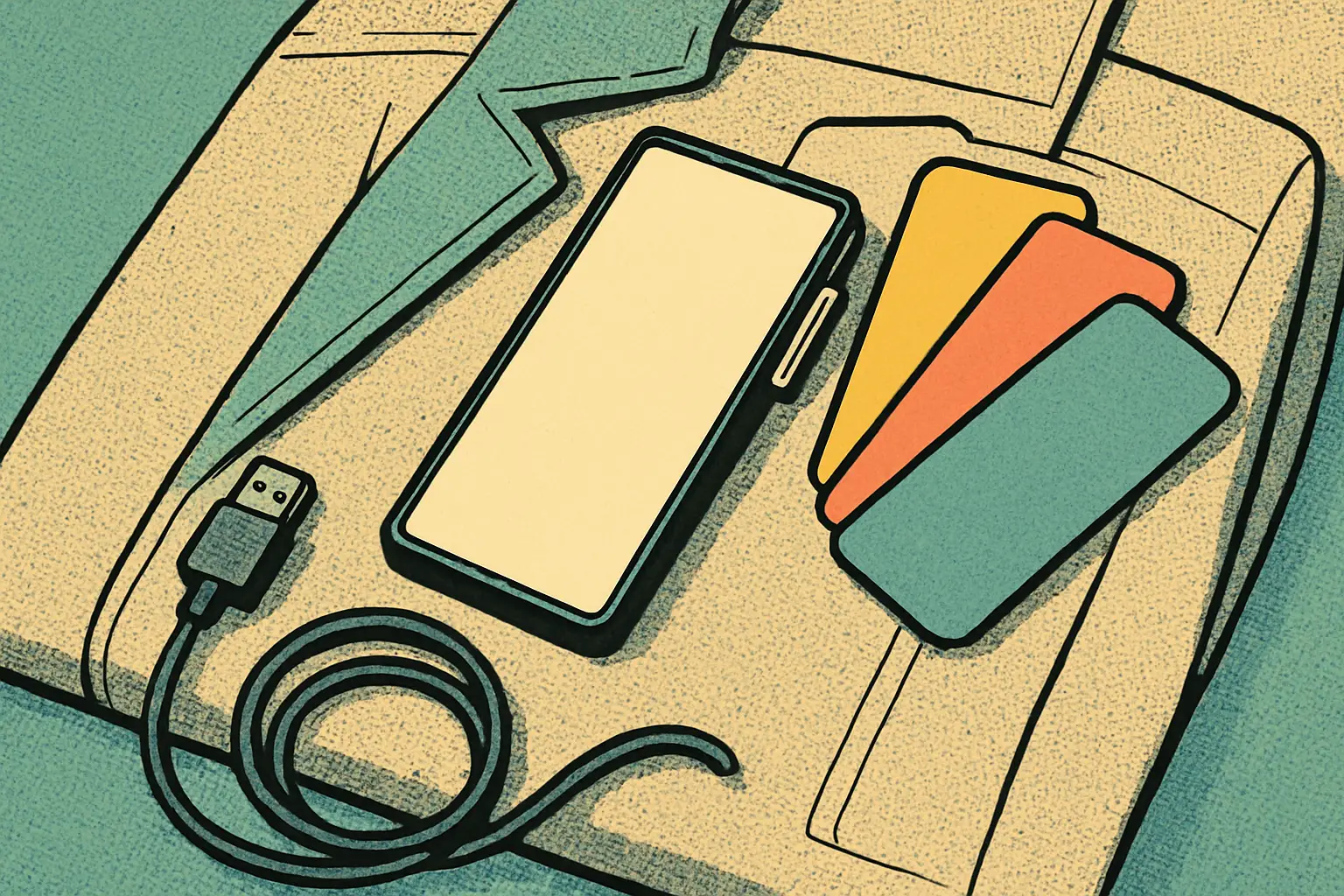
TICKEY Puts 48-Color E-Paper on an ESP32-S3 Badge
ENIAC's TICKEY is a 3.8mm clip-on badge with a 3.7-inch 720x480 48-colour e-paper panel and an ESP32-S3, starting near $50 with open firmware.

OpenMANET Runs Video Over Wi-Fi HaLow Mesh Networks
OpenMANET pushes 1-15 Mbps over 802.11ah mesh on a Raspberry Pi 4, adding voice, RTSP video and full IP where Meshtastic sends only short text.