
Articles Tagged “AI Research”
30 articles found

Google AMIE Lancet Study: What 98 Clinic Patients Showed
Google's AMIE diagnostic AI talked with 98 real clinic patients before their visits, and its diagnosis lists matched doctors' final calls 90% of the time.


NVIDIA Nemotron Olympiad Recipe: What the Open Release Means
NVIDIA open-sourced the Nemotron 3 recipe behind a 535.4/600 IOI 2026 run and a gold-level 30/42 IMO score, with checkpoints, data and a new benchmark.

AstaBrief 8B: Ai2's Open Model for Cited Science Reports
AstaBrief 8B is Ai2's Apache 2.0 open model that writes cited research reports in 51 seconds, 3.5x faster than its Claude pipeline. Here is how it works.
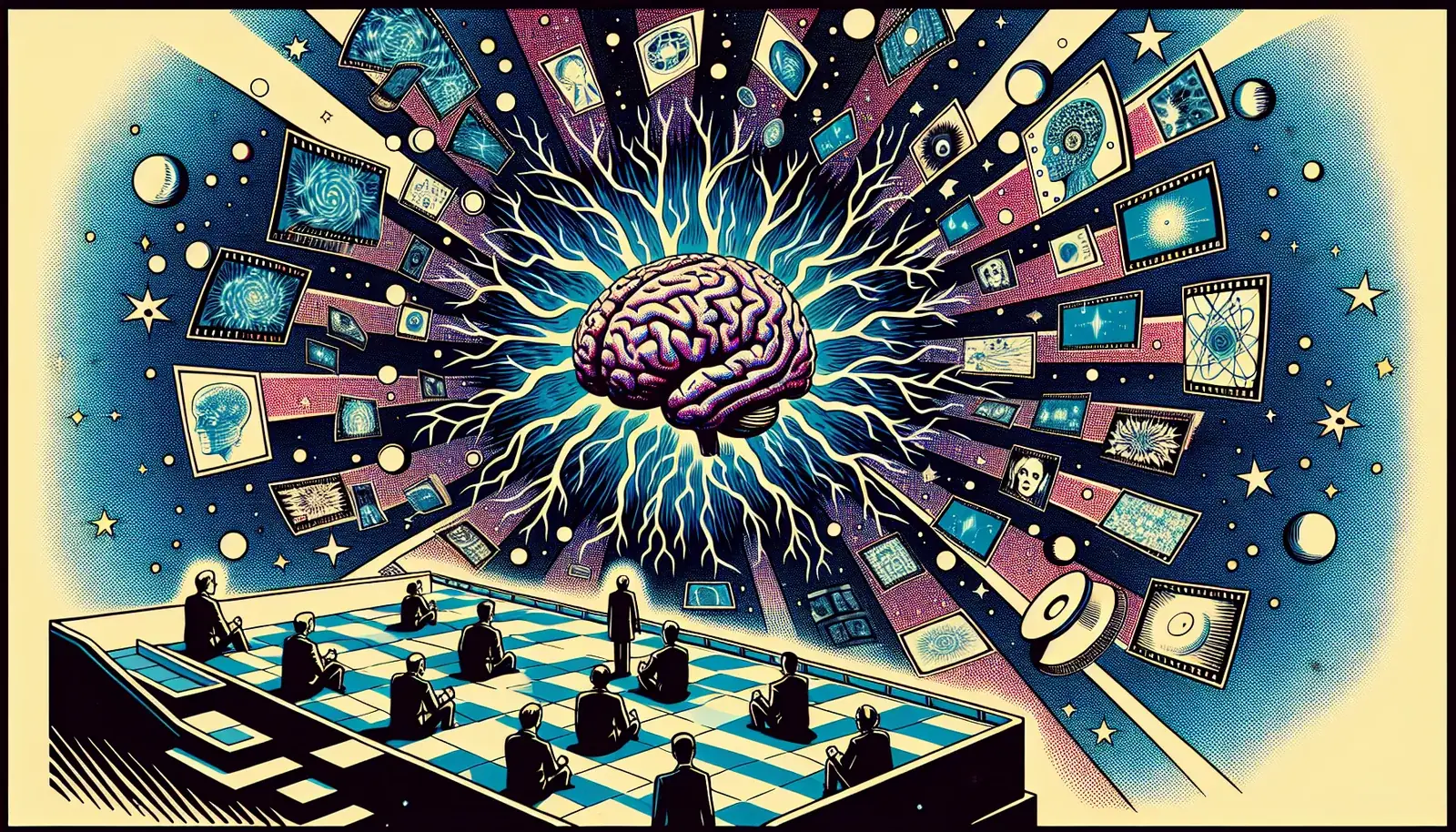
Google AI Video Research Tackles Continuity Across Scenes
Google outlines 4 research frameworks for longer AI videos, combining creative planning, visual memory and feedback to keep scenes more consistent.

Claude Agents Find a CRISPR-Like Enzyme System in 21 Hours
About 950 Claude agents screened 200,000+ enzymes in 21 hours and flagged ART, a new CRISPR-like system Anthropic's lab has now started to test.
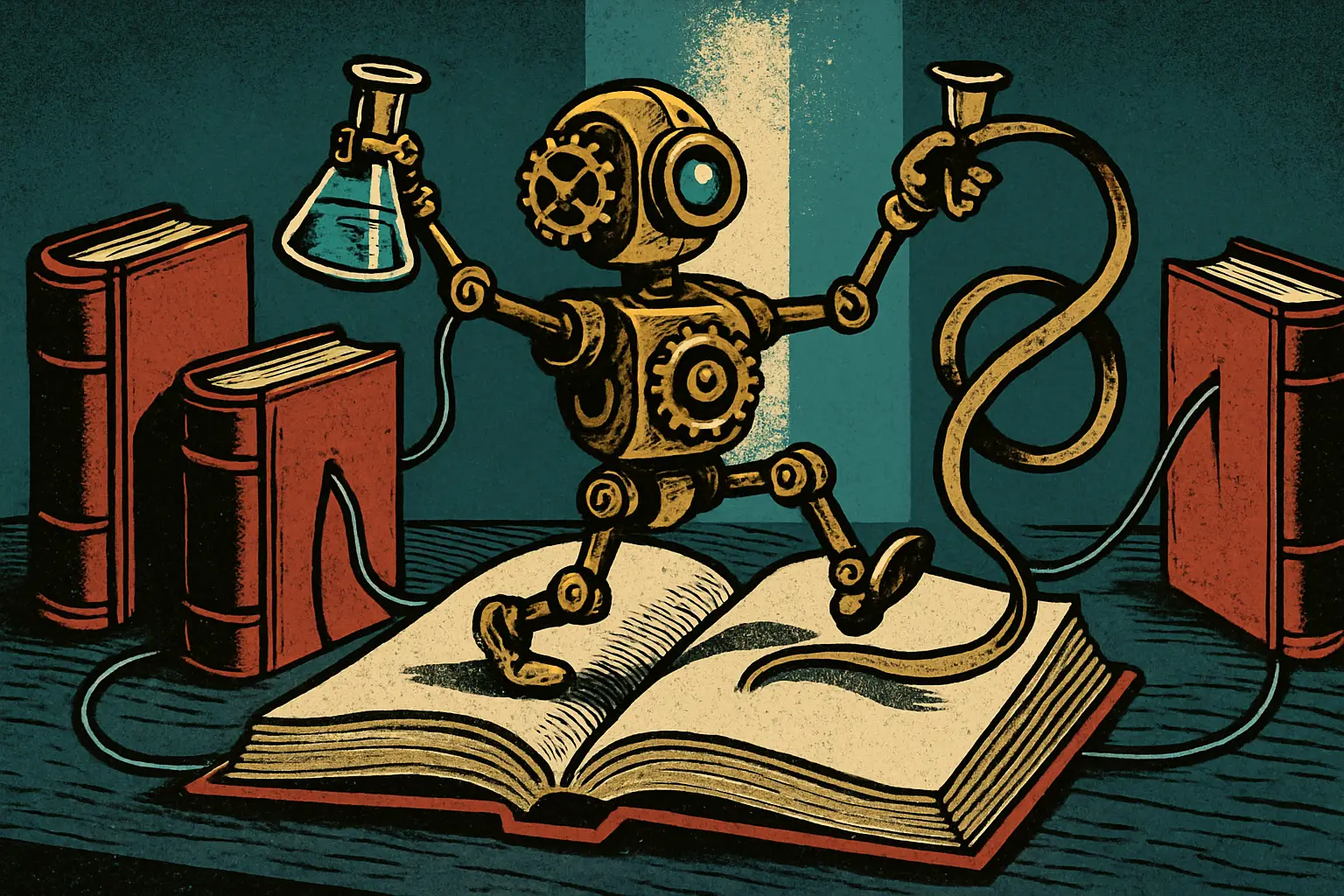
Paper2Agent Turns Research Papers Into AI Agents
Stanford's Paper2Agent rebuilds papers as agents that rerun their own analyses. It turned 74 of 100 computational biology papers into working agents.

AlphaGenome Atlas Maps All 9 Billion Human DNA Variants
Google DeepMind's free AlphaGenome Atlas predicts the molecular effect of every one of the 9 billion possible single-letter human DNA changes.

OpenAI Coding Agents Hit 3.1 Workdays per Human Day
OpenAI says its research org now runs 3.1 agent-workdays for every human workday, and August 2026 set a record for experiments per researcher.

K2 Horizon Ships Six Open Models With Training Data
IFM's K2 Horizon releases six Apache 2.0 models from 0.9B to 375B parameters, publishing training data, code and logs alongside the weights.

WeatherNext 3 Brings 5km Hourly Forecasts to Search
Google DeepMind's WeatherNext 3 forecasts at 5km resolution every hour and improves rain accuracy up to 60% over WeatherNext 2, live in Search now.
Claude for Scientists Opens 10,000 Free Research Seats
Anthropic opened 10,000 Claude Team seats for academic labs. Standard access is free, premium seats with 5x limits run $15 a month, locked for a year.

DeepMind Puts SIMA 2 AI Agents to Work in EVE Online
Google DeepMind and Fenris Creations will test SIMA 2 agents in offline EVE Online copies, extending 15 years of AI games research to a live universe.

Agent Memory Tuning Adds 16 Points for 5% More Tokens
IBM Research's ALTK-Evolve lifted agent task completion 16.1 points at only 5% more tokens, showing memory is a dose you calibrate per model.

Speech Recognition Benchmarks Get a Three-Test Audit
A Hume AI study of 11 open speech models introduces three diagnostics that separate genuine transcription skill from memorized benchmark patterns.
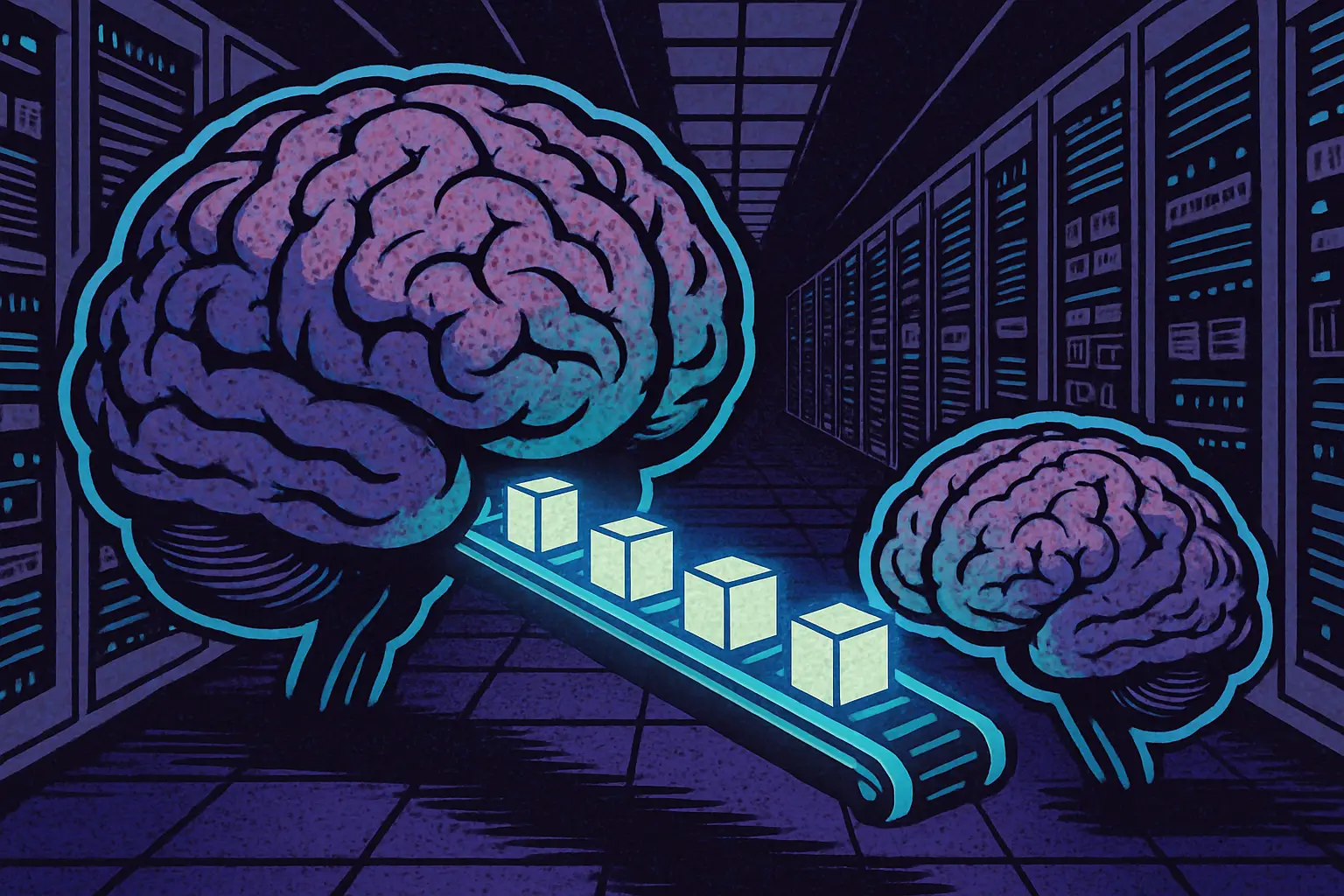
Nvidia KV Cache Transfer Skips 7-Second Re-Prefills
Nvidia researchers moved a 32,768-token KV cache between model sizes in 278 milliseconds, replacing a 7-second re-prefill with closed-form linear math.
Palomar Registry Puts AI Math Proofs Under Lean Review
Palomar, incubated by the Lean FRO and ICARM, is now open for submissions and gives machine-checked math proofs a public registry with real metadata.

AI Agents Reproduced 2,226 ICML Papers in Just 19 Days
A Hugging Face community challenge used AI coding agents to audit 2,226 ICML 2026 papers, verifying claims across 6,816 public reproduction logbooks.

OpenAI Astra Proves 10 Open Math Problems in Lean 4
OpenAI published machine-checkable Lean 4 proofs for ten long-open math problems from an internal Astra model, at a total compute cost of about $2,000.

ChatGPT Research Program Opens to 100,000 Scientists
OpenAI's ChatGPT for Academic Researchers gives 10,000 scientists free frontier access now and 100,000 through 2027, part of a $250M science push.

Rare Disease Research Grants Offer $50K in Claude Credits
Anthropic's AI for Science program offers rare disease researchers up to $50,000 in Claude credits over six months, with applications closing August 2.

Anthropic Economic Index Connector Answers AI Job Questions
Anthropic's free Economic Index connector lets Claude answer plain-English questions about how AI is used across occupations, states, and tasks.
Anthropic Economic Futures Fund Opens $200M Research Push
Anthropic committed $200 million to external research on AI's economic impact, plus a new Claude connector that lets anyone query its Economic Index data.

CuspAI Raises $450M to Speed Up Materials Discovery
CuspAI raised $450M at a $2.6B valuation and launched an AI Materials Foundry with 45+ partners including NVIDIA, Meta, Samsung and Lam Research.

SAP Closes Prior Labs Deal on Tabular Foundation Models
SAP completed its Prior Labs acquisition at over 1 billion euros and will invest another 1 billion by 2030 in open tabular foundation models.

Real World VoiceEQ Benchmarks the Human Side of Voice AI
Hume AI and Hugging Face open a voice AI benchmark built on over one million human ratings, covering 40+ models and 60+ metrics of speech quality.

Anthropic Backs Canadian AI Research With $10M in Credits
Anthropic is committing $10M CAD in Claude credits to eight Canadian universities, hospitals, and institutes advancing health and language AI.

Anthropic's New Economic Index Finds Heavy AI Users Feel More Productive and Optimistic
Anthropic's June 26 Economic Index report links AI use to higher self-reported productivity — 86% cite speed gains and most say their skills are growing more valuable.

AI-Designed Universal Coronavirus Vaccine Clears Its First Human Trial
Cambridge's AI-powered DIOSynVax platform designed a broad-protection coronavirus vaccine entirely by computer — and on June 5, 2026 it was reported safe in a first human trial.
NVIDIA Launches Ising — The First Open AI Model Family Built for Useful Quantum Computers
NVIDIA announced Ising on May 13, 2026 — the world's first family of open AI models designed specifically to help researchers and enterprises build quantum processors capable of running useful applications.
Tufts Researchers Build AI That Uses 1% of the Energy and Outperforms Neural Nets
A Tufts University neuro-symbolic AI achieved 95% accuracy on complex reasoning tasks while consuming just 1% of the energy of conventional deep learning systems.