
Zhihe A210 Brings an Octa-Core RISC-V SoC and 12-TOPS NPU to an Affordable Dev Board
Sipeed's Zhihe A210 is an octa-core RISC-V SoC with a 12-TOPS NPU and up to 16GB RAM, offered on a SODIMM-style dev board starting around $334 for edge-AI makers.

RISC-V Keeps Getting More Capable — and More Affordable
The open RISC-V instruction set architecture has been one of the most exciting long-term stories in computing, and every few months a new board nudges it further toward mainstream usefulness. On June 17, 2026, CNX Software detailed the Zhihe A210, an octa-core RISC-V system-on-chip from Sipeed that pairs real multi-core horsepower with a capable NPU — and lands at a price makers can actually justify.
Inside the Octa-Core RISC-V SoC
The A210 uses a heterogeneous octa-core layout: four high-performance C920 cores clocked up to 2.3 GHz alongside four efficient C908 cores at 1.9 GHz. That big-little style arrangement, long familiar from ARM designs, is great to see on a RISC-V part — it means the chip can chase performance when needed and sip power when idle. Backing the cores is a 12-TOPS INT8 NPU for on-device inference and up to 16GB of LPDDR4/X memory, which is generous for this class of single board computer.
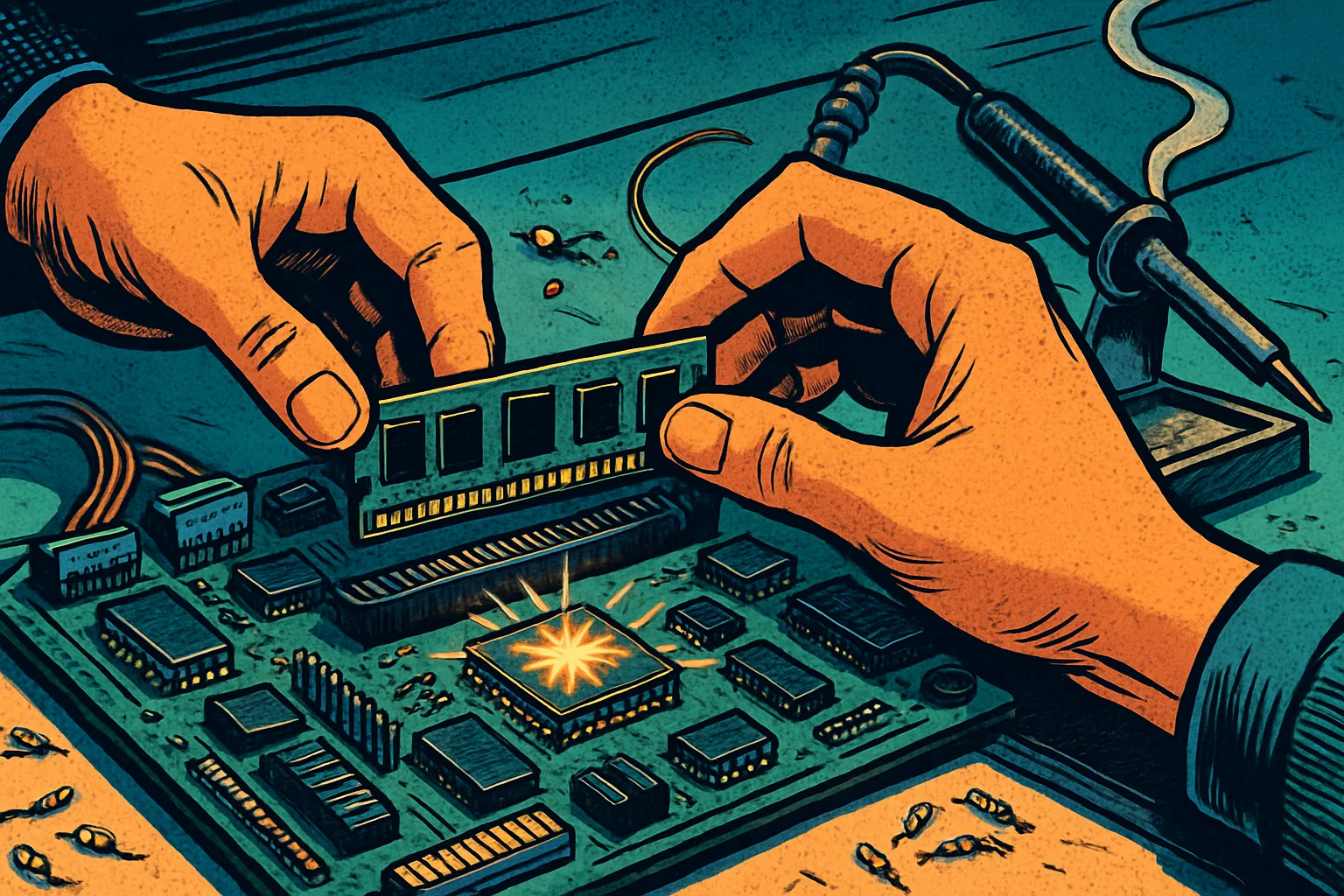
For builders, the practical package is the A210 SODIMM V2 development board, which slots the SoC onto a memory-module-style carrier offered in 4GB, 8GB, and 16GB configurations. I/O is well-rounded for an SBC: HDMI 2.0, a USB 3.1 Type-C port with DisplayPort Alt mode, dual gigabit Ethernet, and dual MIPI-CSI camera inputs. Dual cameras plus a 12-TOPS NPU makes this a natural fit for vision and edge-AI experiments.
The Price Is the Headline
Capable RISC-V boards have historically commanded a premium, so the standout detail here is cost: the 8GB/64GB configuration is listed around $334 on AliExpress. That is squarely in hobbyist-affordable territory for a board offering octa-core compute, real NPU performance, and dual-camera vision support. For students, researchers, and tinkerers who want to develop on an open architecture rather than a proprietary one, that combination of openness and price is exactly what moves the ecosystem forward.
Why RISC-V Momentum Is Good News
The appeal of RISC-V is structural. It is an open standard, which means more vendors can build compatible silicon, more software gets ported, and the whole community benefits from shared tooling. Each board like the A210 that delivers genuine performance at an accessible price strengthens that flywheel — it gives developers a reason to write and optimize software for RISC-V, which in turn makes the next board more useful out of the box.
The Zhihe A210 will not replace a flagship ARM SBC for every task, but that is not the point. It is another solid, affordable rung on the RISC-V ladder, and for edge-AI makers who value open architectures, it is a welcome one.
Sources: CNX Software — "Zhihe A210 octa-core RISC-V SoC with 12 TOPS NPU," June 17, 2026.
More Mini Computers Stories

MaTouch ESP32-S3 E Ink Board: A $60 Voice-Ready Dashboard
Makerfabs' MaTouch ESP32-S3 pairs a 7.5-inch four-color E Ink screen with a four-mic array for $59.80. Here are the specs and what you can build.

ASRock NUC 300 Mini PCs: Wildcat Lake With Dual 2.5GbE
ASRock Industrial's NUC 300 series brings Intel Core 5 320 and Core 3 304 to mini PCs and boards with up to 64GB of DDR5-6400 memory and dual 2.5GbE.

DGX Spark 64GB: Who NVIDIA's $4,999 Local AI Box Is For
NVIDIA's DGX Spark 64GB starts at $4,999 on Oct 23 and runs models up to 100B parameters. Here is who the local AI box suits and how clustering works.