
LoRaWAN QR Codes Replace Manual Key Entry at Scale
Three new LoRa Alliance specs turn LoRaWAN device onboarding into a QR scan and add relay guidance for coverage underground and behind thick walls.

Anyone who has commissioned a LoRaWAN deployment knows the tedious part is not the radio — it is typing a DevEUI, a JoinEUI, and an AppKey correctly, once per device, several thousand times. The LoRa Alliance has published three documents that between them make that step a camera scan, and add proper guidance for relays that push coverage into places a gateway cannot economically reach.
- TS018 encodes device identity in a QR code, pointing the network at the correct Device Profile Server automatically
- TS014 defines an End-Device Capabilities API so the Home Network Server can pull device profiles instead of being configured by hand
- TR016 gives technical recommendations for building relay products that extend coverage underground, behind thick walls, and inside metal enclosures
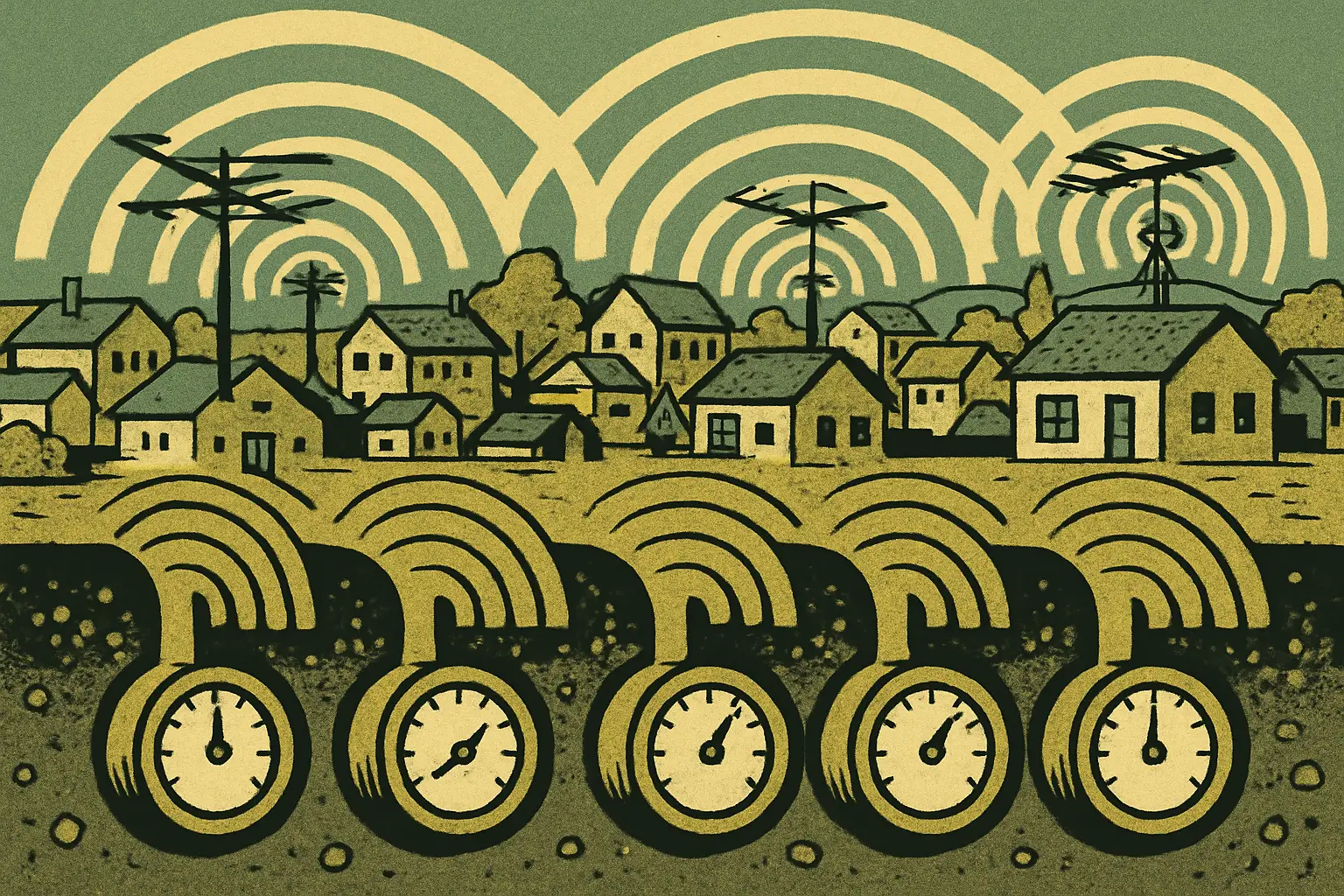
- The target scenario is deployments in the tens of thousands of devices, such as smart water metering
Why Was LoRaWAN Onboarding So Slow?
Traditional LoRaWAN commissioning required manual data entry of the join parameters for every end device. At small scale that is an afternoon. At the scale these networks are actually built — tens of thousands of meters across a municipal water system — the Alliance describes it plainly as time-consuming, error-prone, and costly. Every mistyped key is a device that silently fails to join and a truck roll to find out why.
How Do the QR Code and Profile Specs Work Together?
TS018 standardizes what goes into a device identification QR code: the encoded device identifiers plus the hostname and port of the Device Profile Server. An installer scans the label, and the network knows both which device this is and where to ask about it.
TS014 is the other half. It defines an End-Device Capabilities API so the Home Network Server can retrieve a device profile from a Device Profile Server automatically, rather than someone hand-entering the radio and application parameters for each device type. Scan, look up, join — the installer never sees a hexadecimal key.
That division of labor matters because it moves the source of truth to the manufacturer. The vendor publishes the profile once, and every network that scans one of their devices gets the correct configuration.
What Do LoRaWAN Relays Actually Solve?
TR016 addresses the coverage problem rather than the setup problem. Gateways are expensive to site, and some endpoints simply are not reachable from one: sensors in basements, underground meter pits, remote clusters, or anything sealed inside a metal enclosure. A relay forwards traffic from those devices to a device that can reach a gateway, which means an isolated pocket of twenty meters no longer justifies its own gateway.
The combined picture the Alliance sketches is a smart water metering rollout where installers onboard tens of thousands of meters by scanning QR codes, and relays carry the underground units. That is a meaningful reduction in both labor and hardware for the same coverage.
What This Means for Makers and Small Deployments
If you run a handful of nodes, none of this changes your afternoon. If you are planning anything past a hundred devices, TS018 support is now a reasonable thing to ask a vendor about before you buy. Low-power wireless keeps getting easier at the edges — the same week brought the Silicon Labs BG2B sipping 1.1 microamps on Bluetooth 6, and we track the rest in our mini computer coverage.
Sources: CNX Software — August 5, 2026; LoRa Alliance — August 2026.
More Mini Computers Stories

MaTouch ESP32-S3 E Ink Board: A $60 Voice-Ready Dashboard
Makerfabs' MaTouch ESP32-S3 pairs a 7.5-inch four-color E Ink screen with a four-mic array for $59.80. Here are the specs and what you can build.
ASRock NUC 300 Mini PCs: Wildcat Lake With Dual 2.5GbE
ASRock Industrial's NUC 300 series brings Intel Core 5 320 and Core 3 304 to mini PCs and boards with up to 64GB of DDR5-6400 memory and dual 2.5GbE.

DGX Spark 64GB: Who NVIDIA's $4,999 Local AI Box Is For
NVIDIA's DGX Spark 64GB starts at $4,999 on Oct 23 and runs models up to 100B parameters. Here is who the local AI box suits and how clustering works.