
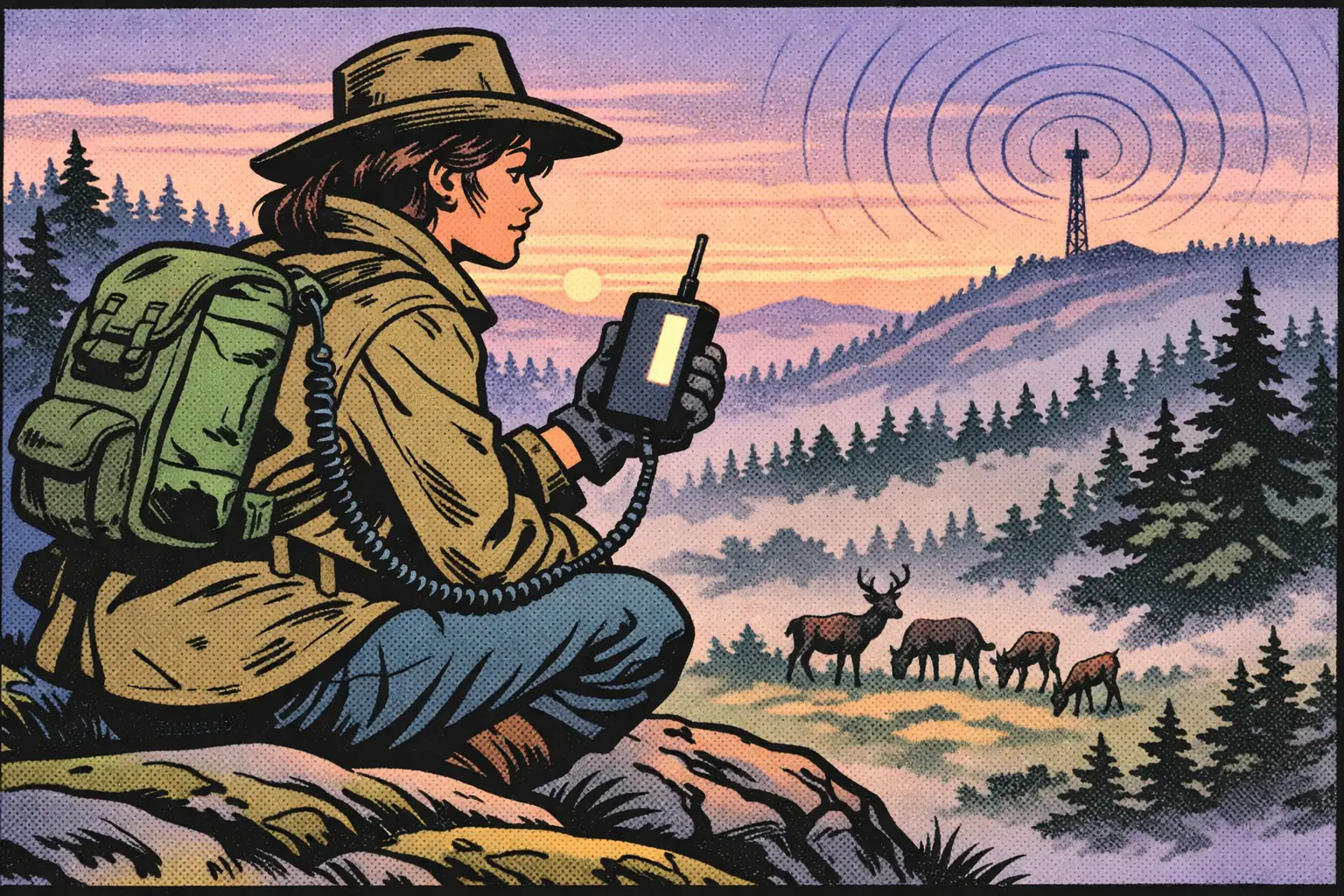
LILYGO T-Display K230: A RISC-V AI Handheld With LoRa
The LILYGO T-Display K230 packs a RISC-V AI chip, 4.1-inch AMOLED, LoRa and an optional keyboard into a handheld dev kit, starting at about $98.79.

LILYGO has built a reputation for compact, all-in-one ESP32 dev kits, and its new T-Display K230 moves that formula to a more capable chip. Detailed by CNX Software on October 28, 2026, the handheld kit is built around Canaan's Kendryte K230, a dual-core 64-bit RISC-V processor with a dedicated AI accelerator, and pairs it with a 4.1-inch AMOLED touchscreen, LoRa radio and an optional clip-on keyboard with cellular connectivity.
- Processor: Kendryte K230 with a 1.6GHz RISC-V core (with RISC-V Vector 1.0) plus an 800MHz core, and a KPU AI accelerator for INT8 and INT16
- Display and I/O: 4.1-inch 568 x 123 AMOLED touchscreen, 1GB LPDDR4, HDMI up to 1080p30, 2MP rotatable camera, 10/100 Ethernet and WiFi 4
- Radios: Semtech SX1262 or LR2021 LoRa, with LTE-M, NB-IoT and GNSS via an optional nRF9151 keyboard base
- Price: about $98.79 for the board and $150.31 for the kit on LILYGO's store at the time of writing
What Can the T-Display K230 AI Accelerator Do?
The K230's KPU is the headline feature for edge AI work. CNX Software lists typical INT8 performance of at least 85 frames per second on ResNet-50, 670fps on MobileNet v2 and 38fps on YOLOv5s, with model support through TVM, TensorFlow, PyTorch and ONNX. Those numbers make it a practical platform for camera-based object detection, people counting or wildlife monitoring without shipping video to the cloud.
The SoC also includes a 3D depth processing engine, a 2.5D graphics engine and hardware H.264/H.265 encoding and decoding, so the 2MP camera can stream or record locally while the KPU handles inference.
A Handheld RISC-V Dev Kit Built for the Field
The design reads like a pocket field terminal. The main board measures 104 x 51 x 15.5mm, and the cased version adds an nRF52840 for Bluetooth LE, a Qwiic I2C connector and a temperature and humidity sensor. The optional keyboard base adds a backlit QWERTY keypad and two 21700 battery holders with charging and fuel-gauge chips, which should give it long runtime for remote deployments.
Connectivity is where this RISC-V board stands out:
- LoRa for long-range, low-power messaging, with experimental Meshtastic and LoRaWAN support in the newer Linux firmware
- LTE-M and NB-IoT with GNSS when you choose the nRF9151 keyboard variant and add a SIM card
- Wired options including Ethernet, HDMI, three USB-C ports and a 40-pin GPIO header on the bare board
Which Software Runs on the LILYGO K230?
LILYGO supports the Kendryte K230 Linux SDK and CanMV/RT-Smart firmware, plus an LVGL-based launcher with apps for the camera, video, audio, LoRa, WiFi and battery monitoring. Source code, firmware images and build instructions are on GitHub, with more detail in the LILYGO wiki.
It is a natural step up from ESP32-based handhelds like the LILYGO T-Display-P4 dev kit: you trade microcontroller simplicity for Linux, a real AI accelerator and a RISC-V vector core. For mesh networking hobbyists and edge AI tinkerers alike, it is one of the more versatile kits of the season. Browse more boards in our mini computer coverage.
Sources: CNX Software — October 28, 2026; LILYGO T-Display K230 product page — accessed October 28, 2026; LILYGO T-Display K230 on GitHub — accessed October 28, 2026.
More Mini Computers Stories

Arduino UNO Q Touch Display: Waveshare's 10.1-Inch Screen
Waveshare's $69.99 UNO-Q-DSI-TOUCH-10.1A plugs straight into the Arduino UNO Q, adding a 10.1-inch touchscreen, speakers and two camera ports.

ASRock AI BOX-A395 Review: The Fastest Strix Halo Mini PC?
ServeTheHome's ASRock AI BOX-A395 review crowns it the fastest Ryzen AI Max+ 395 system it has tested, with 128GB RAM, 10GbE and a built-in 400W PSU.
Banana Pi BPI-RT2: A $26 WiFi 6 Router Board for OpenWrt
The $26 Banana Pi BPI-RT2 packs dual-band WiFi 6, four Gigabit ports and USB 3.0 onto a 97 x 65mm board with OpenWrt-based firmware and open schematics.