
Anthropic's Claude Tag Turns Claude Into a Slack Teammate
Anthropic launched Claude Tag on June 23, 2026, letting teams @-mention Claude in Slack to delegate tasks it works through asynchronously — a shared, 'multiplayer' AI collaborator.

Bringing an AI Collaborator Into the Conversation
One of the most interesting questions in applied AI right now isn't "how smart is the model?" but "where should it live in our workflow?" On June 23, 2026, Anthropic offered a thoughtful answer with Claude Tag, a new way to work with Claude directly inside Slack. Instead of context-switching to a separate app, teams can simply @-mention Claude in a channel and hand off a task — and Claude works through it on its own.
What I appreciate about this design is how naturally it fits the way teams already operate. The chat channel is where conversations, decisions, and context already accumulate, so meeting people there lowers the friction of using AI agents to almost zero.
How Claude Tag Works
The mechanics are elegantly simple. When you tag Claude with a request, it breaks the task down into stages and works through them in turn, using the tools and data sources it's been granted access to, and posts its results back into the Slack thread. Because it operates asynchronously, you can delegate something and carry on with your day while Claude makes progress in the background.
Under the hood, Claude Tag runs on Opus 4.8, Anthropic's capable flagship model — which matters for the kind of multi-step work that benefits from careful reasoning rather than a quick one-shot reply.
A "Multiplayer" Model for Teams
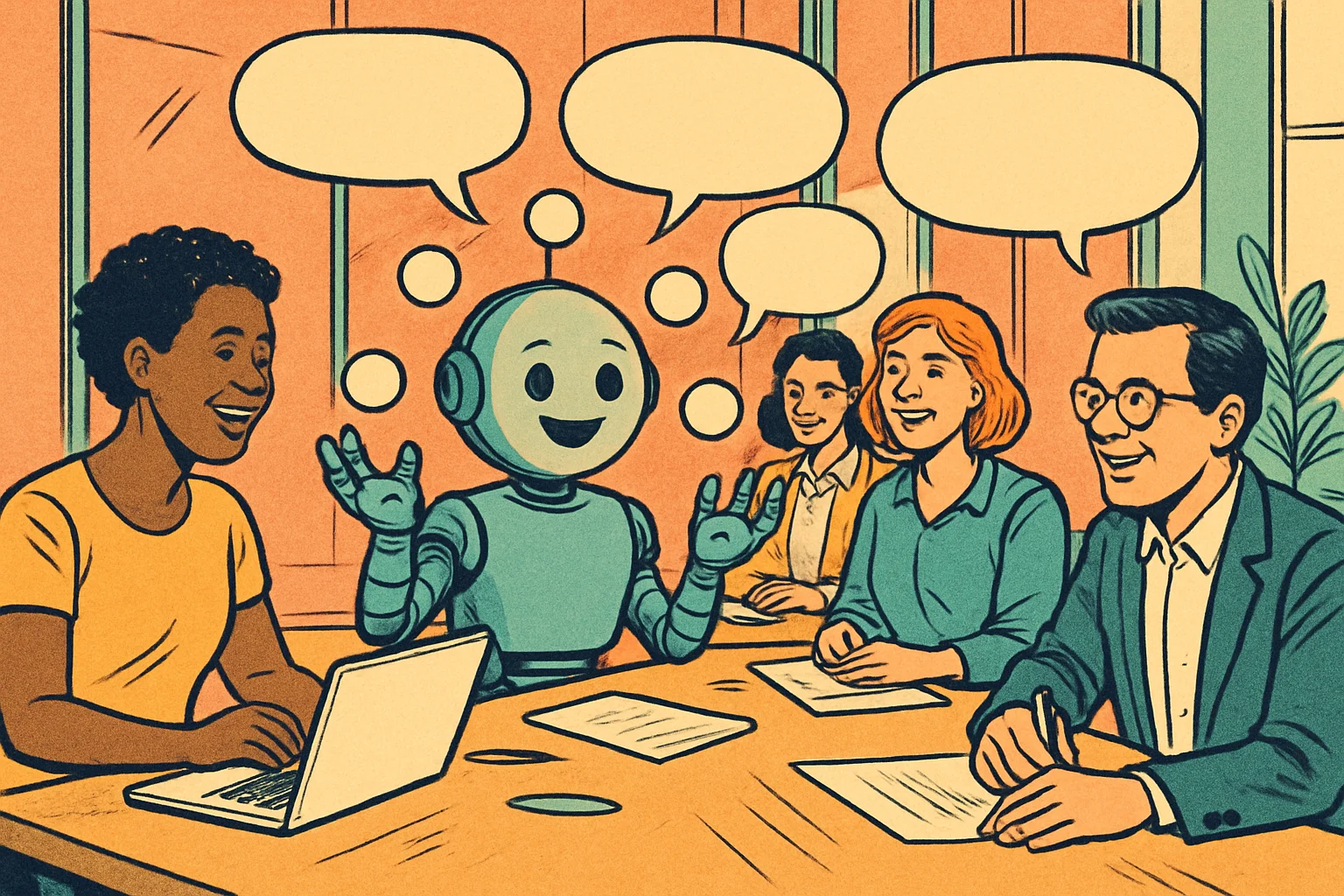
The detail I find genuinely clever is that, within a channel, Claude is multiplayer. A single shared instance serves everyone in that channel: anyone can see what Claude is working on, and a colleague can pick up a conversation right where the last person left off. That turns the AI from a private assistant into a shared team resource — closer to a teammate than a tool, and a nice fit for how collaborative work actually flows.
Built With Administrators in Mind
Sensibly, Anthropic has paired this capability with real governance. Administrators can specify which tools and data sources Claude can reach on a per-channel basis, create separate Claude identities with scoped memories for different uses, set token spend limits both organization-wide and per channel, and review activity logs showing every task and who requested it. That combination of openness for users and control for admins is exactly what responsible enterprise AI deployment should look like.
A Telling Data Point
Anthropic also shared a striking statistic about its own use of the tool: today, 65% of its product team's code is created by its internal version of Claude Tag. I'd treat any single internal figure as illustrative rather than universal, but it's a meaningful signal of how deeply this style of delegated, agentic work is already woven into real engineering practice.
The Takeaway
Claude Tag is a smart, practical step in the evolution of team productivity with AI: a shared, governable collaborator that lives where work already happens. By making delegation as easy as a mention and keeping administrators firmly in control, Anthropic has shown a constructive vision of AI agents as genuine teammates. It's available in beta today for Claude Enterprise and Team customers — and it's a clear, optimistic example of where everyday AI assistance is heading.
Sources: Anthropic — "Introducing Claude Tag" — June 23, 2026; TechCrunch — June 23, 2026.
More AI Stories

Strands Decider 2B: What Amazon's Free Decision Model Does
Strands Decider 2B is a free 2B-parameter decision model that picks options in about 115ms on a single GPU. Here is how it works and where it fits.
Meta Muse Gadgets SDK: Build Your Own AI Agent Hardware
Meta's open-source Muse Gadgets SDKs bring its Muse agent to Raspberry Pi and ESP32 builds, and 5,000 free Home Link dongles are going to subscribers.

AstaBrief 8B: Ai2's Open Model for Cited Science Reports
AstaBrief 8B is Ai2's Apache 2.0 open model that writes cited research reports in 51 seconds, 3.5x faster than its Claude pipeline. Here is how it works.