
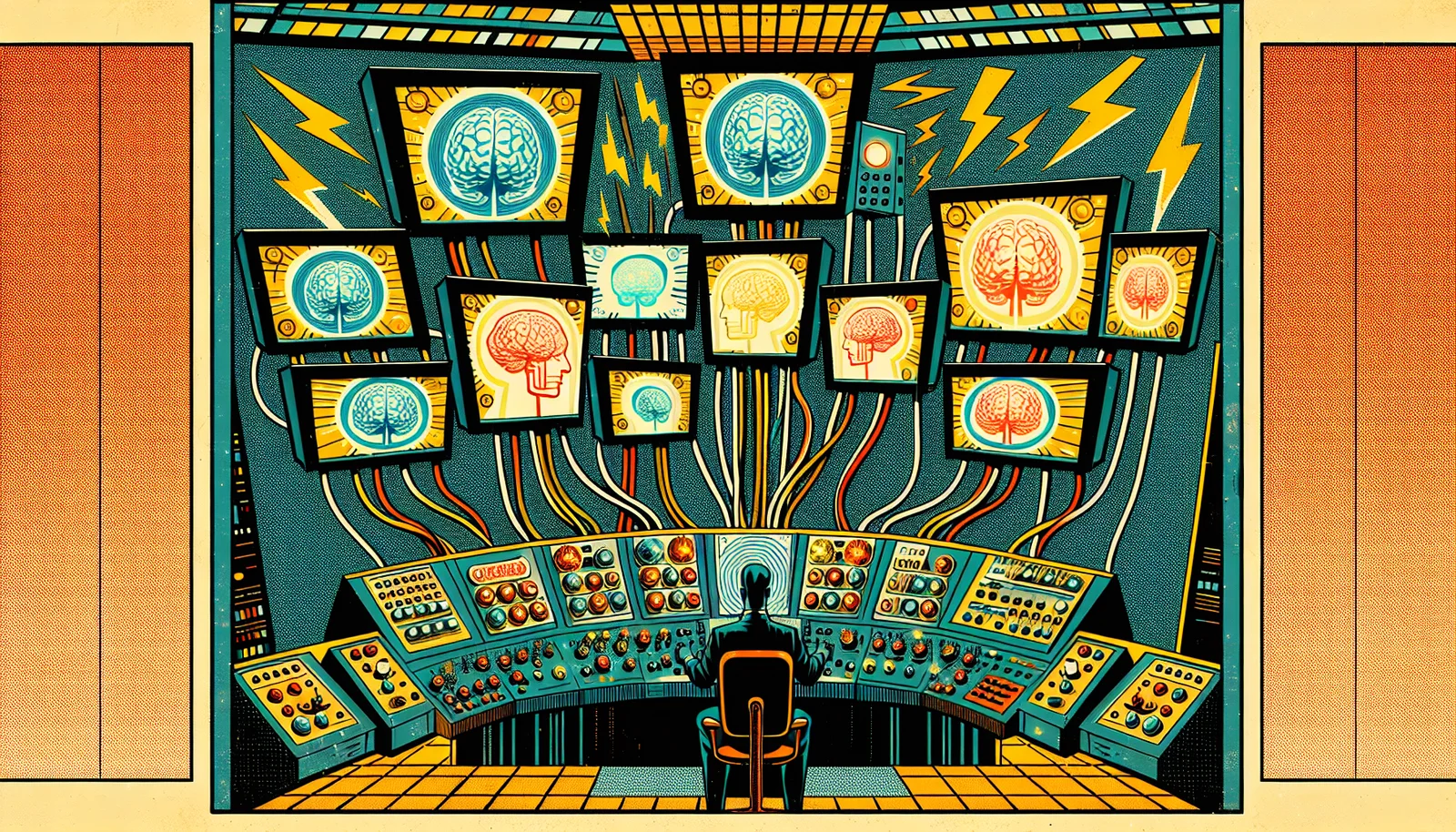
Perplexity Launches Computer — An AI Agent That Orchestrates 19 Models to Tackle Complex Workflows
Perplexity's new Computer platform routes tasks across Claude, Gemini, GPT-5.2, and Grok, ushering in a multi-model orchestration era for AI agents.

The assumption that one AI model should handle everything just took a significant hit. On February 27, Perplexity unveiled Computer, a cloud-based agentic platform that coordinates 19 different AI models to complete complex, long-running workflows autonomously. The architecture represents a meaningful departure from the single-model paradigm that has dominated AI products since ChatGPT.
How Multi-Model Orchestration Works
Computer's reasoning engine assigns different subtasks to whichever model excels at that specific capability. Claude Opus 4.6 handles high-level orchestration and planning. Gemini manages deep research queries. GPT-5.2 tackles tasks requiring extensive long-context recall. Grok steps in for speed-sensitive operations where latency matters most.
The system can spawn subagents that operate independently, gather financial and statistical data from multiple sources, and deliver outputs as interactive websites, visualizations, or structured reports. Each subagent inherits the routing logic, meaning a single user request can trigger dozens of specialized model calls without manual intervention.
Why This Architecture Matters
The AI industry has spent three years debating which model is "best." Computer sidesteps that question entirely. No single model dominates every benchmark or excels at every task type. By routing work to specialists, Perplexity captures the ceiling performance of each model rather than accepting the compromises inherent in any one system.
This approach also provides resilience. If one model provider experiences downtime or degrades in quality, the orchestration layer can reroute traffic to alternatives. For enterprise customers evaluating AI reliability, that redundancy carries real operational value.
Practical Implications for Knowledge Workers
The platform is available to subscribers on Perplexity's $200 per month Max tier. Early demonstrations show Computer handling multi-step research projects that would typically require hours of manual work across different tools. A legal research task, for example, might involve Gemini pulling case law, GPT-5.2 analyzing lengthy contracts, and Claude synthesizing the findings into a structured memorandum.
The compound effect of specialized models working in concert appears to produce output quality that exceeds what any individual model achieves alone. Whether that advantage persists as models continue to improve remains an open question, but the architectural bet is clear.
The Broader Industry Signal
Perplexity is not alone in exploring multi-model approaches. The trend reflects a maturing understanding that AI deployment is becoming an engineering discipline, not just a model selection exercise. The organizations that build the best routing, evaluation, and orchestration layers may ultimately deliver more value than those chasing marginal improvements in any single model.
Computer represents one of the first consumer-facing products built entirely around this philosophy. Its success or failure will inform how the industry thinks about model composition for years to come.
Sources: VentureBeat, February 27, 2026; TechCrunch, February 28, 2026
More AI Stories

Google AMIE Lancet Study: What 98 Clinic Patients Showed
Google's AMIE diagnostic AI talked with 98 real clinic patients before their visits, and its diagnosis lists matched doctors' final calls 90% of the time.

Microsoft-Decision-1: A $0.042 Decision Model on Foundry
Microsoft-Decision-1 scores yes/no and multiple-choice decisions in a single pass on Foundry for $0.042 per million input tokens, with free output tokens.

Gemini Agent for Work: What Google's Universal Agent Does
Google's new Gemini agent runs multi-day jobs in the cloud, routes work across Gemini and Claude models, and adds hard spend caps for business teams.