
Google Selfie Video Sign-In Rescues Locked-Out Accounts
Google's new selfie video verification gives locked-out users a face-based recovery path, with liveness checks, encryption, and full user control.

The Recovery Problem Nobody Talks About
Here is a plain fact of modern security: the account recovery flow is both the most human part of authentication and the most attacked. Lose your phone and forget your backup codes, and even the world's best password habits cannot get you back into your own email. On July 23, 2026, Google rolled out a new answer — selfie video verification, a way to prove you are you using the one credential you cannot leave in a taxi: your face, in motion.
- Users opt in by recording a short selfie video with guided head movements, captured from multiple angles
- During recovery, a new selfie video is matched against the stored reference to confirm identity
- Liveness checks and layered anti-spoofing defend against photos, masks, and AI-generated video
- Videos are encrypted in storage, deletable anytime, and the feature is entirely optional
How Does Selfie Video Verification Work?
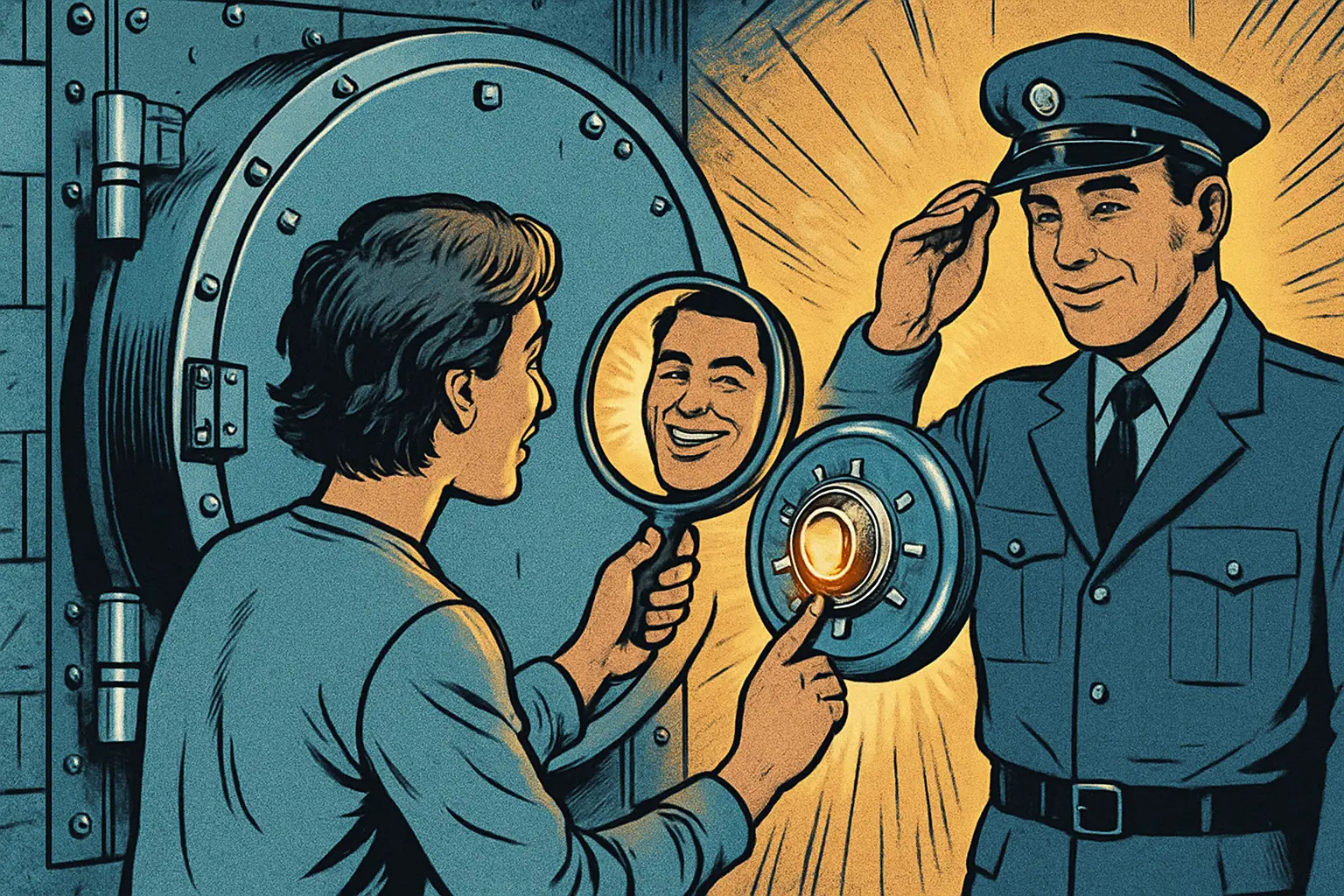
Setup is simple: you record a brief video following on-screen prompts to turn your head, giving Google a multi-angle reference of your face that is encrypted and stored with your account — only with your consent. If you are ever locked out, you record a fresh selfie video, and Google compares it against the reference to confirm identity before restoring access.
The security engineering lives in the details. Liveness detection checks that it is a real, present human on camera rather than a photograph, a replay, or an AI-generated deepfake, and the face matching runs alongside Google's existing risk signals rather than replacing them. Think of it as one more independent factor in the recovery stack — something you are, added to the somethings you know and have.
What About Privacy and Control?
Credit where due: the control model is clean. The feature is opt-in, the stored video can be deleted at any time, and users choose whether their videos may be used to improve Google's verification technology. Scope is deliberately conservative too — it applies to consumer Google Accounts only, excluding Workspace accounts, children's accounts, and accounts in the Advanced Protection Program, where stricter recovery rules rightly remain.
That restraint is the right call. Biometric recovery for the highest-risk accounts is a different threat model, and keeping it out of Advanced Protection until the approach is battle-tested is sound defensive engineering.
The Bigger Defensive Picture
Account takeover via hijacked recovery flows is one of the most common paths attackers take, and every additional verification option that is harder to phish than an SMS code is a net win for ordinary users. It slots into a broader, encouraging trend we track in our AI security coverage: defenders using the same AI advances attackers experiment with — here, robust face matching and deepfake detection — to close doors rather than open them, much like the open-source AI security tooling big companies have been shipping this month. Locked out no longer has to mean locked out for good.
Sources: Google Blog — July 23, 2026; MacRumors — July 23, 2026; Android Authority — July 23, 2026.
More Ai Security Stories

Chrome Gemini Scam Detection: What the New Warnings Mean
Chrome's Gemini scam detection now runs server-side for every Enhanced Protection user, adding suspicious-site alerts and ClickFix copy warnings.

Microsoft Dynamic Permissions: Least Privilege for AI Agents
Microsoft adds Dynamic Permissions, Dynamic Agent Risk and Conditional Access for AI agents to Project Perception, plus discovery for 60 local agent types.

Safari Email Tracker Blocking: How Apple Protects Your Inbox
Safari now blocks identity resolution trackers that turn your email into a permanent ad ID. Here's how the iOS 27 and macOS 27 protection works.