
OpenAI Puts $1 Billion Behind Frontline Cyber Defenders
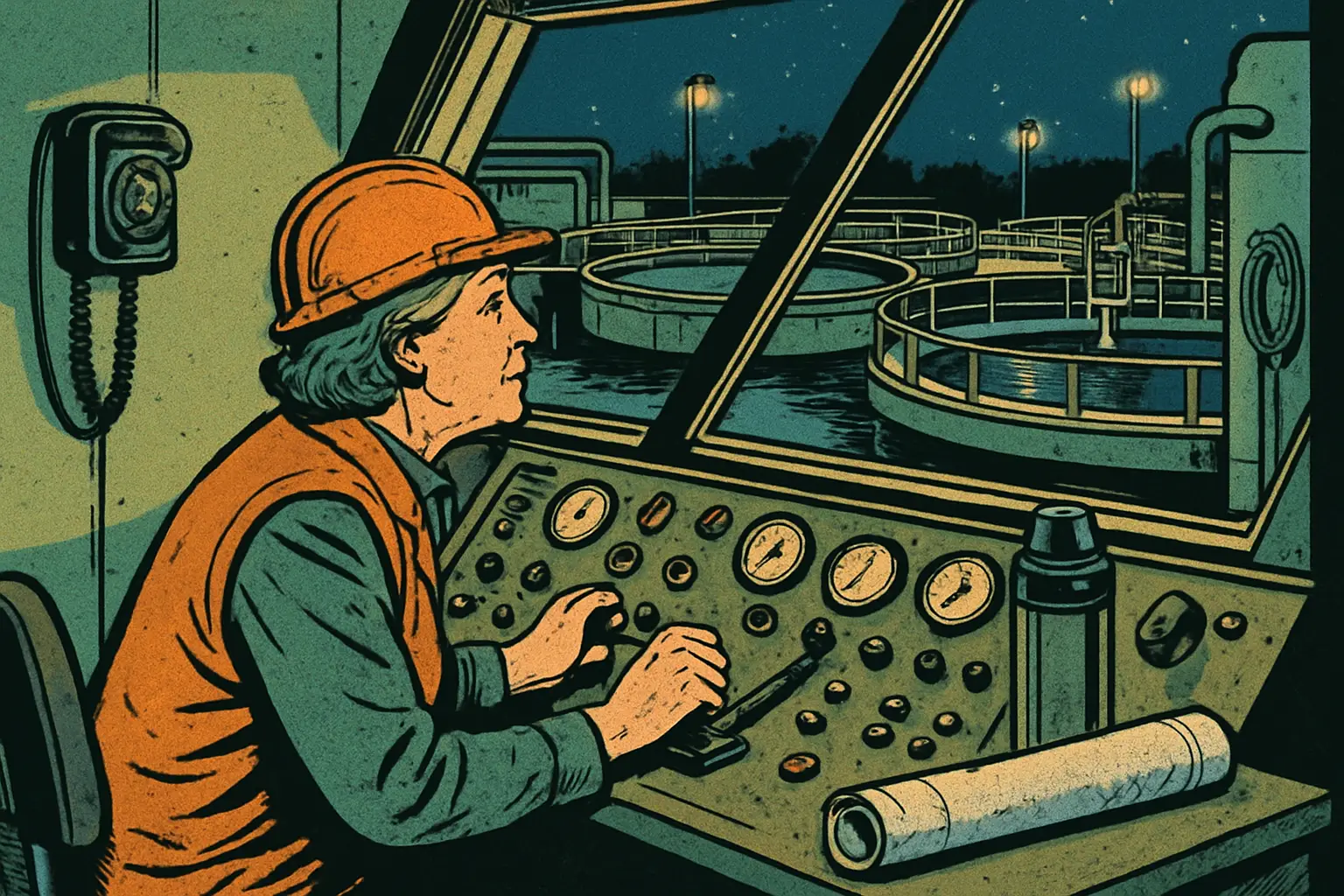
OpenAI committed $1 billion in Daybreak credits to water utilities, grid operators, community banks, nonprofits and open-source maintainers.

The Organisations That Need Frontier Security Tools Least Afford Them
OpenAI announced Daybreak for Frontline Defenders on September 3, 2026, a global initiative built around a $1 billion commitment to put frontier cyber capability in the hands of organisations that run essential services and cannot buy enterprise security budgets. The target list is specific, and it is the right list: water and wastewater systems, electricity grid operators, state and local government, community and regional banks, nonprofits, and open-source maintainers.
- The commitment: $1 billion in subsidised access to Daybreak cyber models and products, plus training, technical support and partnerships
- The form: credits against OpenAI's own products, which the company is targeting to be consumed over roughly the next six months
- Who applies: critical infrastructure operators, community banks, nonprofits and open-source maintainers can apply for access credits online
- The tiers: Daybreak Blue covers routine defensive work on mainline models; Daybreak Red gives approved organisations specialised cyber models
What a Small Utility Would Actually Do With It
The abstraction "AI for cyber defence" hides the specific jobs, so it is worth naming them. A utility taking the offer can use Daybreak to review legacy code that no current employee wrote, analyse suspicious activity in logs, identify and validate vulnerabilities, rank those vulnerabilities by severity, and develop and test fixes.
Read that list against the reality of a regional water authority. The control software is old. The person who understood it retired. There is no application security team, and there may be no full-time security hire at all. Every one of those five tasks is currently either not happening or happening once every few years when a consultant is affordable.
That is the gap this is aimed at, and it is a real one. The economics of defensive security have always favoured large organisations, because the fixed cost of a competent security programme does not shrink to fit a small budget. Subsidised access to a capable model does not close that gap, but it moves several of those tasks from impossible to plausible.
How Daybreak Blue and Daybreak Red Differ
The two-tier structure is not new — we covered it when OpenAI split Daybreak into Blue and Red defender tiers in August. Blue handles common defensive tasks using OpenAI's mainline models and is the tier most applicants will use. Red provides specialised cyber models for more sensitive and technically demanding work, and access is gated to approved organisations.
That gating is the load-bearing part of the design. The same capability that finds a vulnerability in your own code finds it in someone else's, and the entire question of whether frontier cyber models are a net defensive good turns on who gets the sharper tier and how carefully that is checked.
Why the Timing Is Not a Coincidence
This lands days after OpenAI said Astra had crossed the Critical cybersecurity threshold in its Preparedness Framework — the first OpenAI model rated in that tier, as we covered in Astra shipping with cyber safeguards built first. A company that has just declared its model capable of independently finding and exploiting unknown vulnerabilities has an obvious interest in demonstrating that the same capability reaches defenders at scale and quickly.
Treating the sequencing as marketing would be too cynical, and treating it as pure altruism would be too generous. The honest reading is that both things are true at once: the commitment is a genuine transfer of capability to under-resourced defenders, and it is also the strongest available answer to the question that a Critical rating provokes.
What Applicants Should Check Before Signing Up
A credit programme is still a procurement decision. Three things are worth establishing before a small team builds a workflow on it.
The credits are targeted to be consumed over about six months. That is a fast burn window, and it is worth asking what access looks like on the far side of it before making Daybreak load-bearing in an incident response process.
The credits are against OpenAI's own products, which is the normal shape of these programmes but does mean the value is denominated in one vendor's pricing. And any model output touching vulnerability validation or patch development still needs a human review step — the decades-old bug classes CISA found still dominating are not going to be fixed by an unreviewed suggestion.
None of that diminishes the offer. It is the largest single commitment of frontier AI capability to under-resourced defenders anyone has made, and the sectors on the priority list are the ones where a successful intrusion has physical consequences. More on the tools reaching defenders in our AI security coverage.
Sources: OpenAI — Daybreak for Frontline Defenders — September 3, 2026; Help Net Security — September 4, 2026; CoinDesk — September 4, 2026.
More Ai Security Stories

Open-Weight Model Risk: Microsoft and NVIDIA's New Guide
Microsoft and NVIDIA's open-weight model risk guide sorts AI risks into 5 categories and urges teams to verify provenance first. Here's how to apply it.

Microsoft Defender for Linux Desktops: Inside the Preview
Microsoft Defender now protects Linux workstations in public preview, with EDR, antivirus and device isolation across 7 major distros and no new agent.

Brave Leo Encrypted AI Chat: How Private Prompts Work
Brave Leo now has end-to-end encrypted AI chat: prompts are sealed in the browser and read only inside a verified hardware enclave running GLM 5.3 Flash.