Gemini Desktop App for Windows: What Alt+Space Does
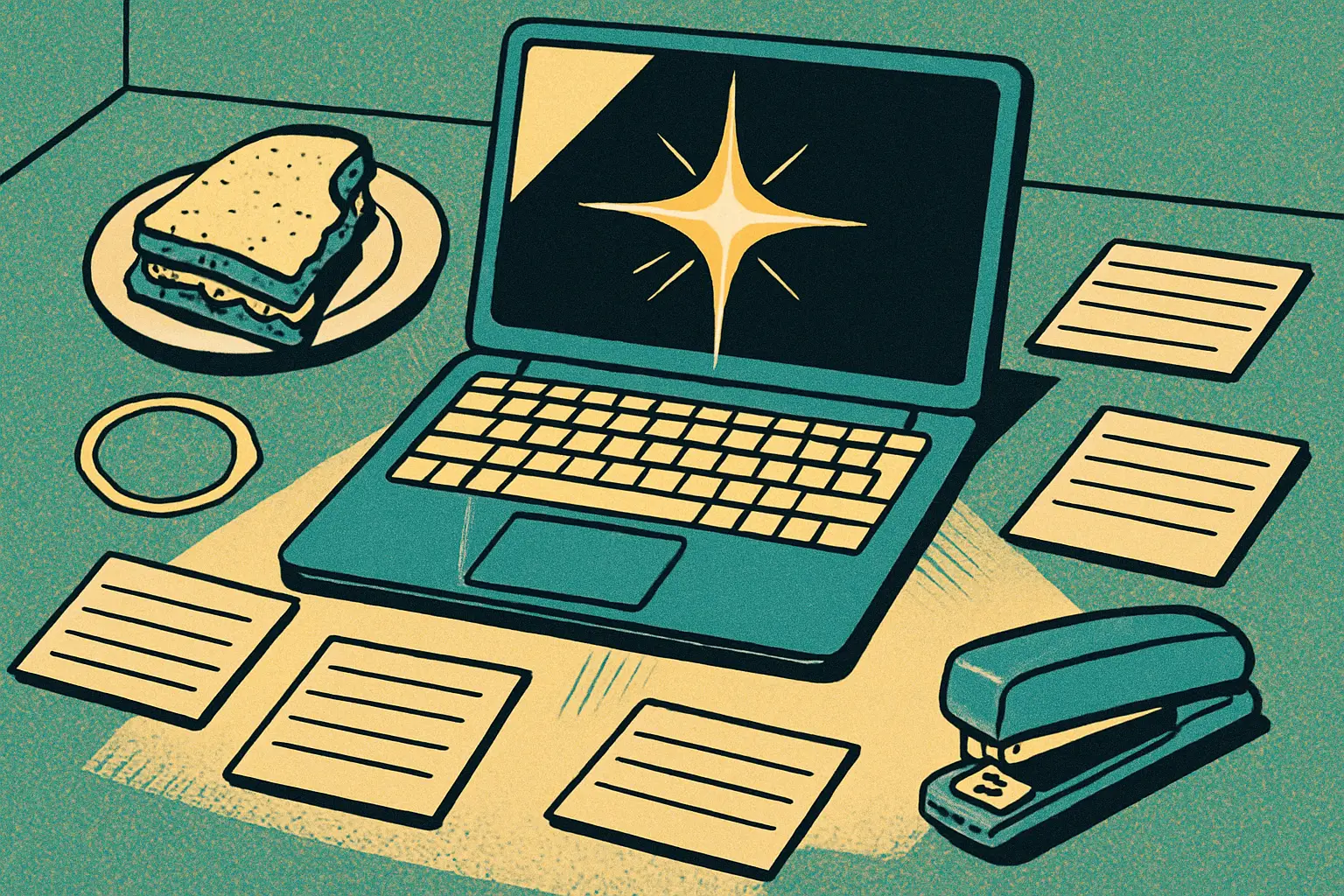
Google's Gemini desktop app landed on Windows 10 and 11 on September 10, free, with an Alt+Space overlay that answers without closing your current app.

Gemini Desktop Arrives on Windows 10 and 11
Google has released the Gemini desktop app for Windows, five months after the macOS version. The app went live on September 10, 2026, is free to download, and runs on both Windows 10 and Windows 11. The pitch is narrow and, for once, easy to evaluate: press a keyboard shortcut, get an answer, stay in whatever you were doing.
- Available for Windows 10 and Windows 11, free, from Google's Gemini desktop page
- Alt+Space opens a Gemini overlay on top of the app you are already using
- Pulls context from Google Workspace apps including Gmail and Drive when asked
- Generates images with Nano Banana directly from the desktop; macOS version shipped in April 2026
What the Alt+Space Overlay Actually Changes
The functional difference between a desktop app and a browser tab is smaller than marketing usually suggests, but it is not zero. Alt+Space summons Gemini as a floating layer over the active window, which removes the two steps that quietly kill most assistant use: finding the tab, and losing your place in the document you were working on. Google describes the app as lightweight and quiet, and that framing is the right one — this is a reduction in friction, not a new capability.
In practice the useful cases are the small ones. Checking a claim in a draft without leaving the draft. Asking for five alternative headings while the slide is still on screen. Summarising a thread you have open in another window. According to 9to5Google, the interface mirrors the web version, with side panels for Notebooks and recent conversations, so nothing has to be relearned.
Does the Windows App Reach Your Own Files?
This is the question worth asking of any desktop assistant, and the honest answer today is: partly. Gemini for desktop can draft using information from connected Google Workspace apps such as Gmail and Google Drive when you ask it to. Google has also said more native desktop capabilities will roll out over time, which is a reasonable way of saying that deeper local integration is not here yet. Treat the current release as a very fast front door to Gemini rather than a system-level agent.
Image generation is included, with Nano Banana reachable from the same overlay. If you have been following Google's steady widening of Gemini's surface area — from Gemini building entire decks inside Slides to free Gemini access for 1.1 million Missouri students — a desktop client is the logical next distribution step rather than a surprise.
Who Should Install It
If you already live in Google Workspace on a Windows machine, this is close to a free upgrade: the shortcut is genuinely faster than tab-hunting, and nothing about your existing setup changes. If you mostly work in Microsoft 365, the Workspace context features will be less useful and the app becomes a convenient chat window, which may still be worth the install for the shortcut alone.
One practical note for anyone deploying it across a team: the same Workspace weekly update that carried the desktop launch also introduced context-aware access policies for Gemini Enterprise in the Admin console, so administrators have a control point rather than an all-or-nothing toggle.
Google's broader rollout pace has been the real theme of the last quarter, and our artificial intelligence coverage has tracked it release by release. A desktop app is not a frontier model, but distribution is how these tools actually reach the people who benefit from them — and Windows is the largest room Gemini has walked into yet.
Sources: Google Workspace Updates — September 11, 2026; 9to5Google — September 10, 2026.
More AI Stories

Gemini 3.8 Live Adds Reasoning to Real-Time Voice AI
Google's new Gemini 3.8 Live models reason mid-conversation across 97 languages and top the speech quality index at 82.6. Here is what changes.

Perplexity Portable Computer Runs Local AI on Windows
Perplexity's on-device agent now runs on Windows PCs with 24GB+ RTX GPUs, keeping the model, harness, orchestrator and scheduler off the cloud.
Google AI Hits 300 Languages, Covering 86% of People
Google says its products now work in 300+ languages for 7 billion people, backed by open speech datasets covering 109 Indian and 27 African languages.