
depthfirst's Dependency Firewall Blocks Malicious Packages Before They Install
Launched June 1, 2026, depthfirst's Dependency Firewall vets every open-source package before install — approving safe ones, quarantining the suspicious, and blocking the malicious.

Stopping Supply-Chain Attacks at the Front Door
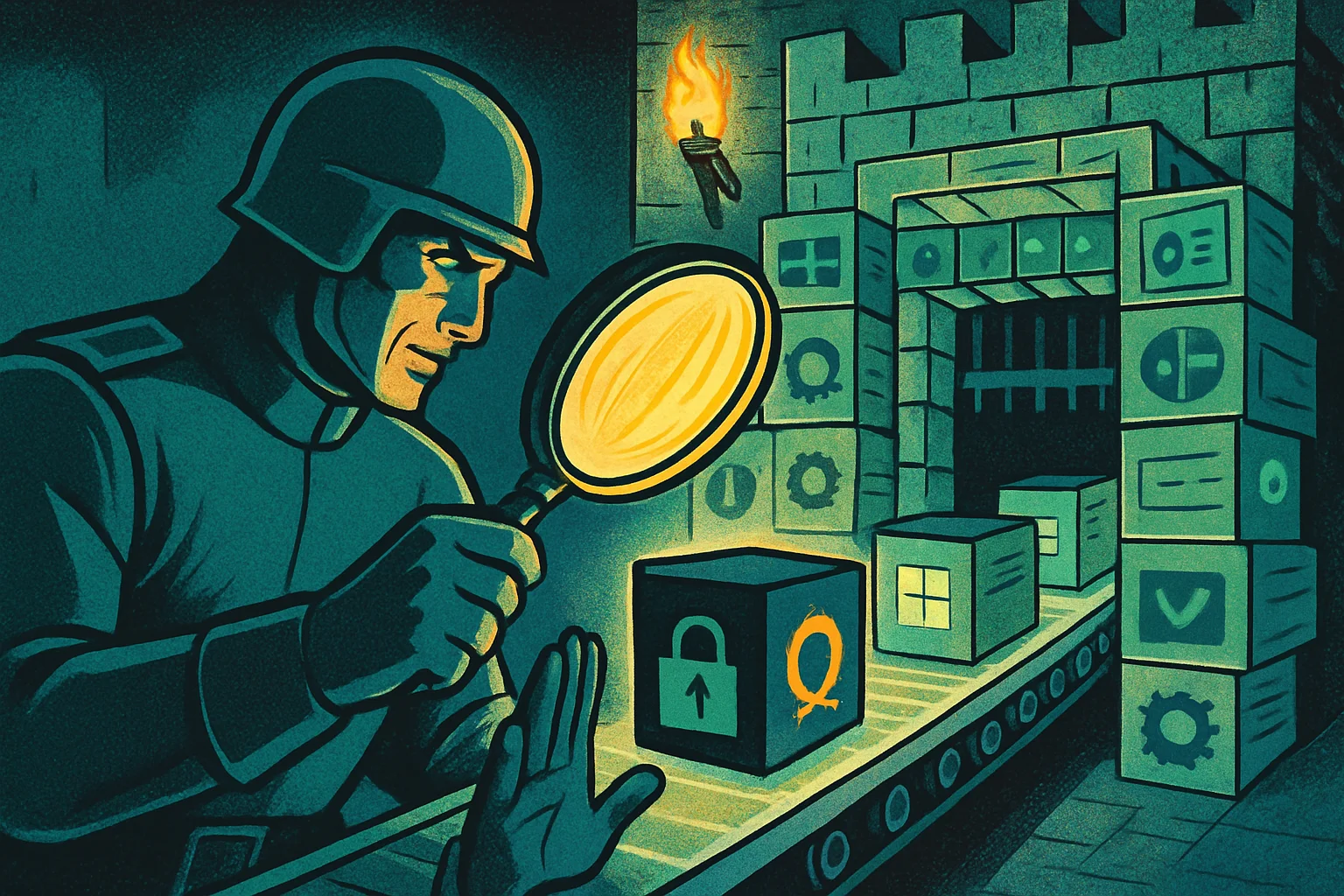
Here is a security story worth celebrating. On June 1, 2026, depthfirst launched Dependency Firewall, a tool that does something refreshingly straightforward: it checks every open-source package your organization tries to download and gives a verdict before the package is ever installed. Safe packages pass through with negligible delay, suspicious ones get quarantined for review, and malicious ones are blocked outright — with supporting evidence attached so your team understands why. It is a clean, defender-first answer to one of the fastest-growing risks in modern software.
How the Dependency Firewall Works
The clever part is the timing. Rather than scanning a package at the moment you install it, depthfirst analyzes packages the instant they are published to public registries. That means a verdict already exists by the time anyone on your team actually requests the package — no waiting, no scramble. Under the hood, the system combines proprietary code and install-script analysis, runtime behavior detection, and AI reasoning about each package's intent, all running on depthfirst's agentic defense platform. It is the same platform the company credits with surfacing a long-dormant 18-year-old vulnerability it dubbed "NGINX Rift," which speaks to the depth of the analysis.
Why This Threat Surface Is Growing
The launch lands at exactly the right moment. As AI coding agents and non-engineer employees increasingly pull in open-source dependencies — picture someone using an AI assistant to scaffold a project and quietly adding a dozen packages they have never vetted — the supply-chain attack surface has spread well beyond security-conscious developers. Attackers know this, and malicious packages designed to slip into automated workflows are a real and rising concern. A firewall that makes the safe/quarantine/block decision automatically, before anything runs, meets that shift head-on.
A Constructive Model for Securing the Software Supply Chain
What I appreciate about this approach is that it is preventative rather than reactive. Instead of detecting a compromise after a bad package is already in your build, the Dependency Firewall keeps it out in the first place — the security equivalent of locking the door before the burglar arrives rather than reviewing the camera footage afterward. As we often emphasize in our AI security coverage, the most valuable tools are the ones that quietly stop problems before they start. For teams building in an era of AI-assisted development, that is exactly the kind of guardrail worth having.
Sources: Help Net Security (June 1, 2026); Business Wire (June 1, 2026); Help Net Security "New infosec products of the week" (June 5, 2026).
More Ai Security Stories

Thales Sentinel Envelope Plus: Shielding Code From AI Agents
Thales Sentinel Envelope Plus hardens compiled apps against AI reverse engineering. In tests, an AI agent found 0 of 10 bugs after using 970x more tokens.

Android 17 Advanced Protection: 6 New Anti-Spyware Defenses
Android 17 Advanced Protection adds 6 new defenses, including Intrusion Logging with 12 months of encrypted logs and USB lockdown. Here's how each works.
Legit Security Agent Auto-Fixes Vulnerable Dependencies
Legit Security's agentic remediation now fixes vulnerable open-source dependencies, re-scans before and after, and opens a pull request for review.