Chrome's Gemini Bug Hunter Found a 13-Year-Old Flaw
Google's Gemini-based scanner surfaced a Chrome sandbox escape hidden for 13 years, and AI triage now helps the team ship two security releases a week.

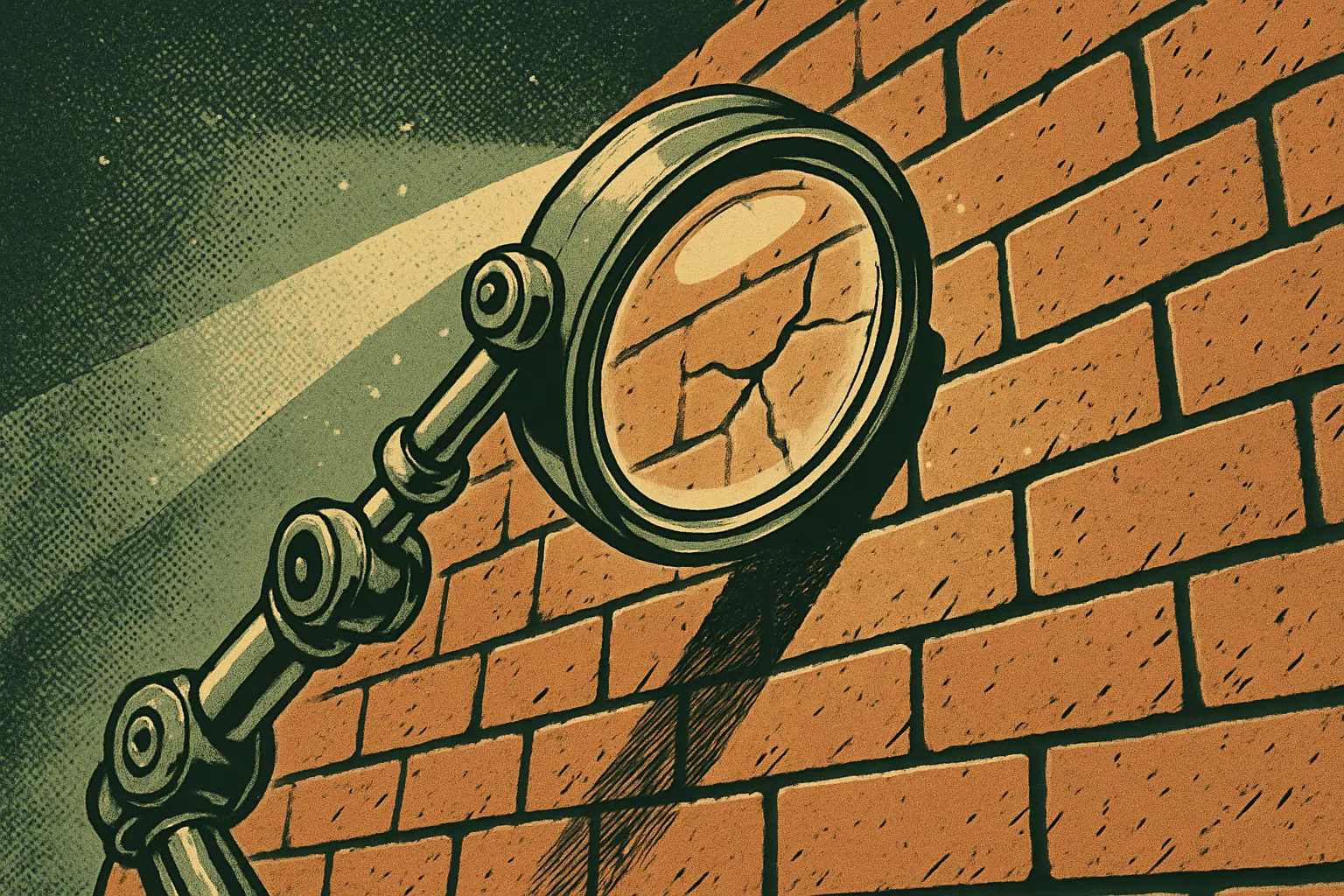
A vulnerability that survives thirteen years in one of the most heavily audited codebases on the internet is not a story about carelessness — it is a story about how hard the problem is. Google's Chrome security team disclosed at the end of July that a Gemini-based scanning system found exactly that: a sandbox escape that had been sitting in Chrome's source since roughly 2013, quietly waiting for someone to notice.
- Gemini-based scanning combines open-weight and proprietary models with a knowledge base built from Chrome's Git history and prior CVEs
- A 13-year-old sandbox escape was surfaced that could have let a compromised renderer reach local files
- Chrome 149 and 150 fixed 1,072 security bugs combined — more than the previous 23 stable releases together
- Triage that took 5 to 30+ minutes per report is now accelerated by a blend of rule-based systems and AI
How Does the Gemini Scanner Find Bugs Humans Missed?
The architecture is more interesting than "point an LLM at the code." Google runs open-weight and proprietary models alongside each other, grounded in a knowledge base assembled from Chrome's own Git history and its previously disclosed CVEs. That grounding is the key ingredient: the system is not reasoning about C++ in the abstract, it is reasoning about how this codebase has historically gone wrong.
Two design decisions stand out. First, a separate "critic" agent reviews security documentation files rather than trusting the primary scanner's judgment unchallenged. Second, scans are run multiple times, because model output varies between iterations — so a bug missed on one pass may surface on the next. Both are admissions that the technology is probabilistic, and both are the right response to that.
The sandbox escape it found is the headline result. A renderer process that had already been compromised could have used the flaw to reach local files, which is precisely the boundary Chrome's sandbox exists to hold. Thirteen years of human review, fuzzing and external bug bounty attention had not surfaced it.
Does 1,072 Fixed Bugs Mean Chrome Got Less Secure?
This is the number that will get misread, so it is worth being precise. Chrome 149 and 150 together shipped fixes for 1,072 security bugs — more than the previous 23 stable releases combined. Google's own framing is that this reflects improved detection rather than a decline in code quality, and the reasoning holds up: the bugs were already there. The change is that they are now being found and closed instead of sitting undiscovered.
External reports surged too. By March 2026, researchers had submitted more bug reports than in all of 2025. Google responded by updating its Vulnerability Reward Program to steer external researchers toward the categories its internal AI tooling handles less well — which is a genuinely smart division of labour. Let the machines sweep the patterns they are good at, and pay humans to look where the machines are weak.
What Changes Downstream of Detection?
Finding bugs faster only helps if you can also triage and ship faster, and this is where the workflow changes matter most. Triage historically took between five and thirty-plus minutes per report; Google now blends rule-based systems with AI to raise throughput without sacrificing accuracy. On the remediation side, AI generates candidate patches, reviews fixes and writes tests before an engineer reviews the result — the human stays in the loop, but arrives at a much later stage.
The delivery end is being rebuilt too. Google piloted two security releases per week against its standard cadence, and is developing dynamic patching that can update components without a full browser restart. Faster detection with a slow release train would just mean a longer queue of known-unfixed issues; matching the two is what turns the AI gains into user-visible security.
The Broader Pattern in Defensive AI
This is the same shape we keep seeing across the industry: AI used to compress the expensive, repetitive parts of defensive work, with humans moved up the stack to judgement calls. Next.js shipped its first pre-announced security release on similar logic, and Google's own threat intelligence group has been folding agentic AI into defense since the spring.
The encouraging part for everyone who does not work at Google is that these are ordinary browser updates. A thirteen-year-old sandbox escape closed, over a thousand bugs fixed across two releases, and a faster path from discovery to your machine — none of which requires anyone to change how they browse. More on this beat in our AI security coverage.
Sources: Help Net Security — July 30, 2026; Google Chrome Security Blog — accessed August 2, 2026.
More Ai Security Stories
Agent Anomaly Detection Watches AI Agents at Work
Google's Agent Anomaly Detection hit private preview, scanning agent traces for tool misuse, privilege abuse, runaway loops and other OWASP agentic risks.

OpenAI and AARP Help Older Adults Spot Online Scams
More than 1,000 older adults across 10 US cities joined free AI Skills Jam workshops on using ChatGPT safely and recognising attempted scams.
Postman Passport Gives AI Agents Keyless API Access
Passport hands agents a cryptographic reference instead of a real API key, keeping credentials inside your network and revocable in seconds.