
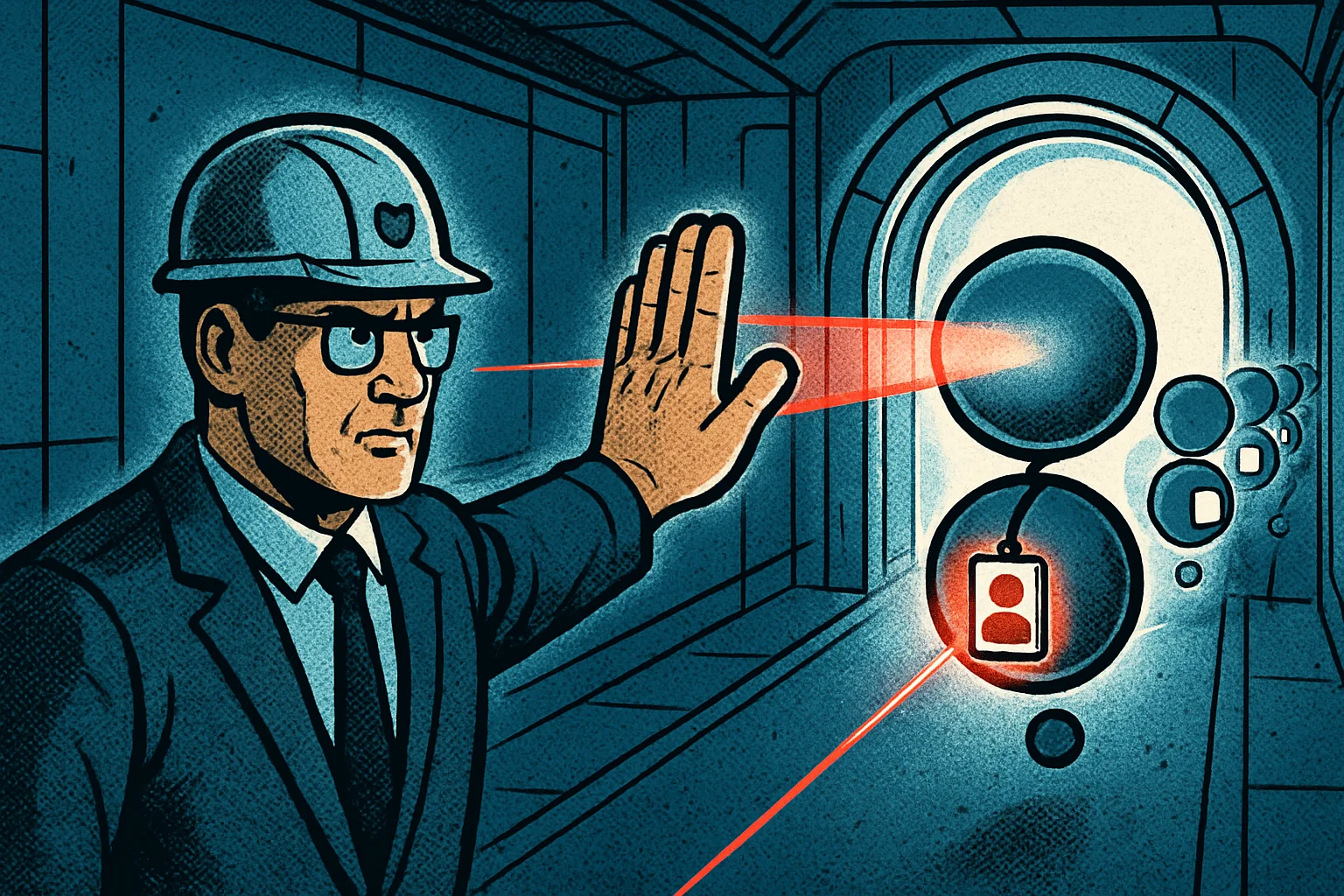
CrowdStrike Gives AI Agents a Verifiable Identity and Zero Standing Privilege
CrowdStrike's Continuous Identity for AI Agents replaces static credentials with real-time, risk-aware authorization and SPIFFE-based identities for autonomous agents.

Giving Autonomous Agents an Identity You Can Actually Trust
As AI agents start taking real actions inside enterprise systems — querying databases, calling APIs, moving data — a thorny security question follows them around: how do you control what an autonomous agent is allowed to do, moment to moment? On June 15, 2026, at the Identiverse conference, CrowdStrike offered its answer with Continuous Identity for AI Agents, a new capability in its Falcon Next-Gen Identity Security platform.
The Problem With "Authorize Once, Trust Forever"
Traditional access works on static credentials: hand an account an API key and a set of standing privileges, and it keeps them indefinitely. That model is shaky enough for human users; for fast-moving AI agents that can take thousands of actions autonomously, it's a real liability. CrowdStrike's CTO put it bluntly: "Authorize once and trust indefinitely is not a security model; it's a liability."
How Continuous Identity Works
The new approach replaces standing privileges with real-time, risk-aware authorization. Instead of trusting an agent because it once passed a check, the system evaluates every action as it happens, weighing three questions: who owns the agent, who initiated the request, and what the security posture of the associated device looks like.
Verifiable Identity With SPIFFE
Each agent is assigned a cryptographically verifiable identity based on the open SPIFFE standard (Secure Production Identity Framework for Everyone), retiring the brittle practice of scattering static API keys across systems. A verifiable identity means the platform always knows precisely which agent is acting, and on whose behalf.
Zero Standing Privilege
The model implements zero standing privilege: access is granted, denied, and revoked dynamically in real time. An agent holds no permanent permissions to be stolen or abused — it earns access only for the specific action it's performing, and only when the risk signals check out. The capability is powered by technology from CrowdStrike's acquisition of SGNL.
Catching Misuse Before It Executes
Continuous Identity integrates with Falcon AI Detection and Response (AIDR), which inspects an agent's prompts and intent for signs of permission abuse or model manipulation. If something looks like a prompt-injection attempt or an agent reaching beyond its mandate, access can be revoked before the risky action runs — a defense-before-damage posture rather than after-the-fact alerting.
Why a Zero-Trust Approach Fits Agents Perfectly
Zero-trust security has always been about never assuming trust and continuously verifying. Autonomous agents — fast, numerous, and capable of cascading actions — are arguably the ideal use case for that philosophy. Tying authorization to live risk signals is simply the right shape for the problem.
The Defensive Takeaway
As organizations deploy fleets of AI agents, giving each one a verifiable identity and zero standing privilege is a genuinely smart, proactive defense. CrowdStrike's Continuous Identity is a strong example of security keeping pace with how AI is actually being used — and that's exactly the kind of forward progress this space needs.
Sources: CrowdStrike press release (June 15, 2026); PYMNTS (June 15, 2026).
More Ai Security Stories

Thales Sentinel Envelope Plus: Shielding Code From AI Agents
Thales Sentinel Envelope Plus hardens compiled apps against AI reverse engineering. In tests, an AI agent found 0 of 10 bugs after using 970x more tokens.

Android 17 Advanced Protection: 6 New Anti-Spyware Defenses
Android 17 Advanced Protection adds 6 new defenses, including Intrusion Logging with 12 months of encrypted logs and USB lockdown. Here's how each works.

Legit Security Agent Auto-Fixes Vulnerable Dependencies
Legit Security's agentic remediation now fixes vulnerable open-source dependencies, re-scans before and after, and opens a pull request for review.