
BankChain Alliance Plans a Bank-Owned Blockchain for 2027
Thirty-nine US state bankers associations formed the BankChain Alliance to build an industry-owned network for tokenized deposits and stablecoins by 2027.

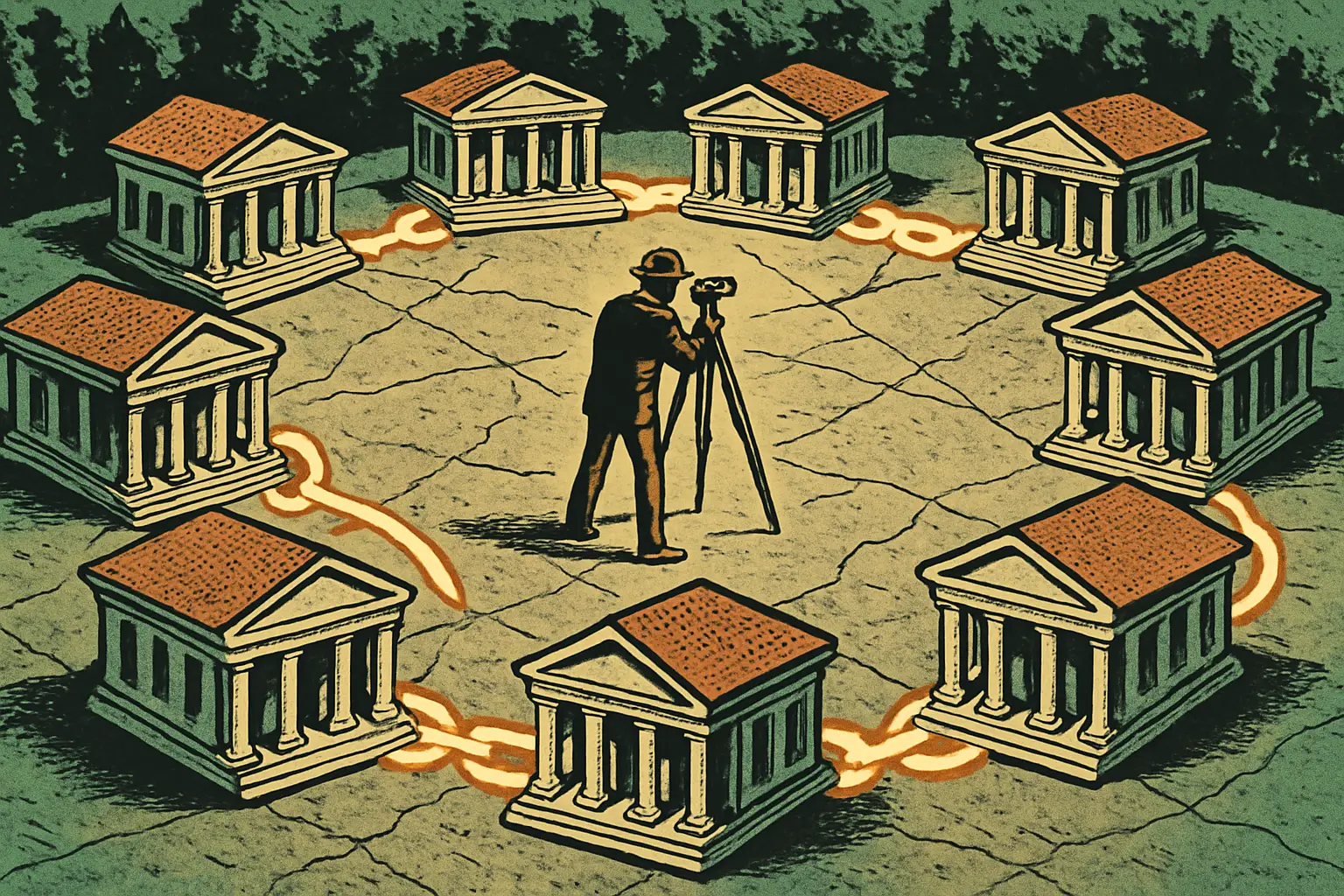
Tokenized deposit infrastructure has spent two years being built by the largest banks for the largest banks. On August 25, 2026 a different constituency spoke up: thirty-nine state bankers associations announced the BankChain Alliance, a plan to build a shared, industry-owned blockchain network that community and regional banks can actually access.
- Thirty-nine state bankers associations, representing thousands of member banks, have formed the alliance
- The planned network is designed to support tokenized deposits, stablecoins, smart payments and automated settlement
- The alliance is currently selecting a technology partner, with a target launch during 2027
- Governance is the differentiator: the group describes the network as industry-owned, industry-designed and industry-governed, with banks invited to take ownership stakes
Why Ownership Structure Is the Actual News
The technology here is not novel, and the alliance is refreshingly unbothered about that. What is novel is who holds the keys. Existing bank-oriented networks tend to fall into one of two categories: consortia owned by a small number of very large institutions, such as The Clearing House, or vendor-operated platforms that banks connect to as customers rather than owners.
Neither structure works well for a community bank in a single state. Joining as a customer means accepting someone else's roadmap and pricing; building independently means justifying a tokenization project with no clear demand signal from your depositors. A mutualised network with distributed ownership solves the collective-action problem that has kept smaller institutions on the sidelines, and it is the same reasoning behind Germany's Commercial Bank Money Token and the UK's Great British Tokenised Deposits consortium, both coordinated by industry bodies rather than individual banks.
What Does Interoperability Buy Smaller Banks?
Reach without a bilateral integration for every counterparty. The alliance has been explicit that it intends the network to interoperate rather than operate as a closed system, which is the single most important design commitment in the announcement. A tokenized deposit that can only settle against other members of the same club is a private ledger with extra steps.
If BankChain delivers interoperability, a community bank gains 24/7 programmable settlement against the wider tokenized-deposit landscape without individually negotiating access to it. That is meaningful for cross-institution payments, automated escrow and the kind of conditional settlement that currently requires a correspondent relationship and a business day.
Where This Fits in the Tokenized Deposit Landscape
The picture through 2026 has been one of steady, unhurried institutional building. We covered Wells Fargo launching tokenized deposits for 24/7 payments earlier this month and, before that, the shared tokenized-deposit network from major US banks in June. BankChain is the broadening step in that same arc, extending the model past the money-center tier.
Two caveats belong on any watchlist entry. The technology partner has not been selected, which means the most consequential architectural decisions are still ahead. And a 2027 target for a network of this scope is an ambitious timeline for any consortium. Still, an alliance that starts by settling governance before choosing a chain is doing the harder work first, which is a better sign than the reverse. More tokenization and digital asset coverage lives on our crypto page.
Sources: CoinDesk — August 25, 2026; Ledger Insights — August 25, 2026; Blockonomi — August 26, 2026.
More Crypto Stories

Securitize Stocks on Solana: How 12 Tokenized Shares Work
Securitize Stocks launched with 12 tokenized US equities on Solana, including Apple and Nvidia, each backed 1:1 by a real share and settled in USDC.

Ethereum Glamsterdam on Sepolia: What 200M Gas Means Next
Ethereum's Glamsterdam upgrade is live on Sepolia with in-protocol PBS, parallel validation and a near-200M gas limit, over 3x mainnet's current 60M.

Samsung Wallet USDC: How 82M Galaxy Phones Will Send Money
Samsung Wallet will let US users send USDC across borders over Solana from late October 2026, reaching about 82 million Galaxy devices at launch.