
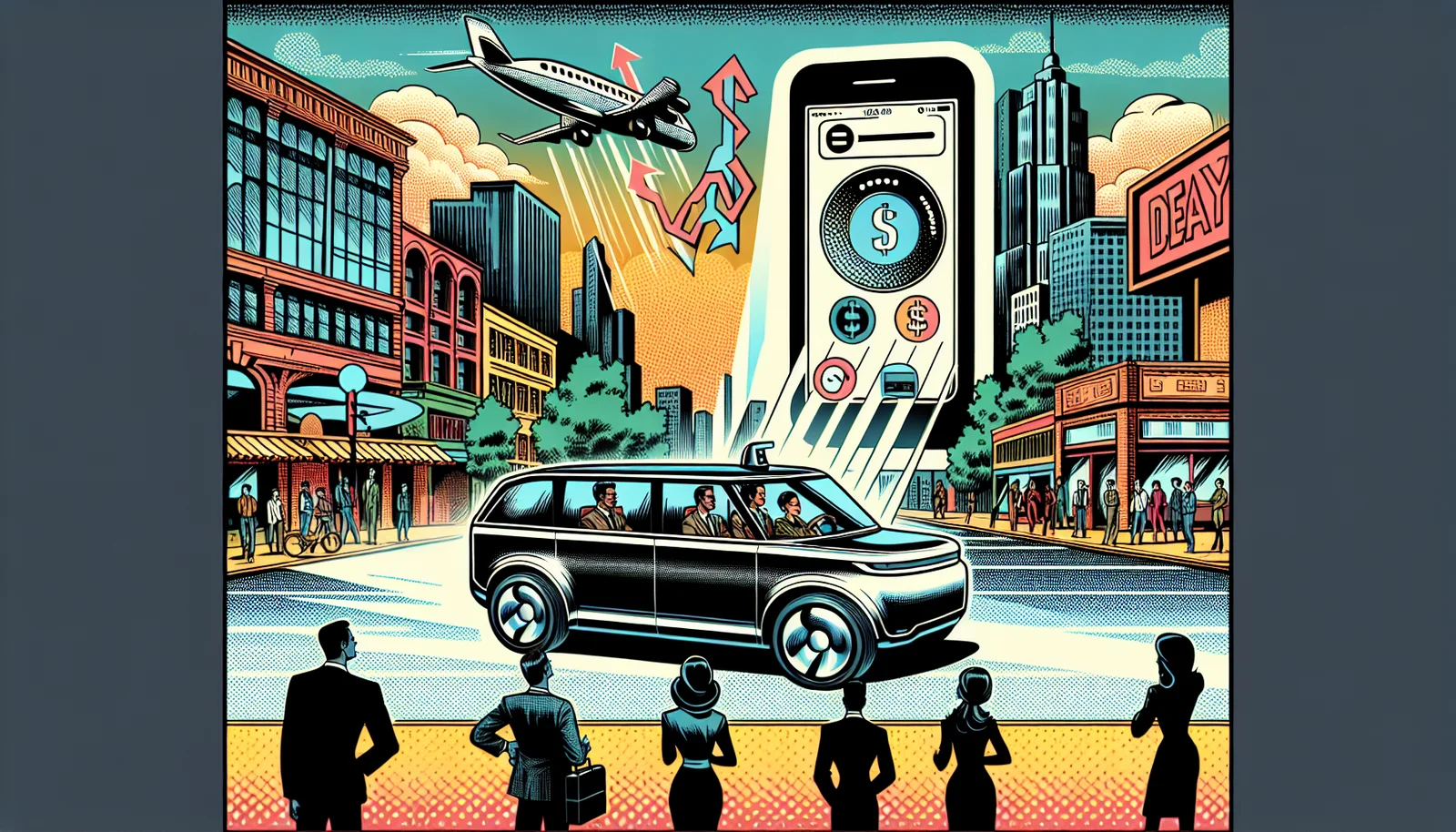
Uber Invests $1.25 Billion in Rivian to Deploy 50,000 Robotaxis Across Three Continents
Uber commits up to $1.25B in Rivian to build a fleet of 50,000 autonomous R2 electric SUVs launching in San Francisco and Miami by 2028, expanding to 25 cities by 2031.

The Largest Robotaxi Bet Yet
Uber just made its biggest play for the autonomous future. The ride-hailing giant announced on March 19 that it will invest up to $1.25 billion in Rivian Automotive, with plans to purchase up to 50,000 autonomous R2 electric SUVs for deployment as robotaxis across 25 cities in the United States, Canada, and Europe through 2031. San Francisco and Miami are targeted as the first launch cities in 2028, with a phased rollout expanding to additional markets each year.
The deal sent Rivian shares surging on the news. For Rivian, the partnership validates its R2 platform as more than a consumer vehicle — it positions the company as a serious contender in the autonomous mobility infrastructure space. For Uber, it represents a concrete commitment to owning autonomous fleet capacity rather than simply aggregating third-party self-driving services.
Why This Deal Is Different
What separates this from previous robotaxi announcements is the sheer scale and financial commitment. A $1.25 billion investment with a 50,000-vehicle target across three continents is not a pilot program or a press release — it is a capital allocation decision that ties Uber's future to autonomous electric vehicles in a way that cannot be easily unwound.
The choice of Rivian's R2 is strategic. The compact electric SUV is designed for high utilization rates, with a lower price point than Rivian's larger R1 models and a form factor optimized for urban ride-hailing. The vehicle's EV architecture also means lower per-mile operating costs compared to internal combustion fleets, which matters enormously at the scale Uber operates.
The Competitive Landscape Heats Up
Uber's move comes as the robotaxi space is experiencing a surge of activity. Waymo continues expanding its autonomous ride-hailing service to new cities, while Tesla has been testing its own robotaxi ambitions. By investing directly in Rivian rather than building vehicles from scratch or partnering with a single autonomous technology provider, Uber is hedging its bets — it can potentially integrate multiple self-driving software stacks into a fleet it controls.
For investors watching the convergence of EVs, autonomous driving, and ride-hailing, this deal crystallizes what many have anticipated: the companies that control autonomous fleets at scale will capture an outsized share of the future mobility market. Uber just put $1.25 billion on the table to make sure it is one of them.
Sources: CNBC (March 19, 2026), Bloomberg (March 19, 2026), Yahoo Finance (March 19, 2026), Fox Business (March 19, 2026)
More Stock Trading Stories

Applied Digital Q1 Revenue Jumps 322% on AI Data Centers
Applied Digital (APLD) reported fiscal Q1 2027 revenue of $341.9 million, up 322%, with 1.41 GW of AI data center capacity leased and $36B contracted.

Samsung Q3 2026 Profit: How AI Memory Drove a ₩107T Record
Samsung guided Q3 2026 operating profit to a record ₩107.4 trillion (about $80B), up 782.5% year on year on surging AI memory demand and chip prices.

TSMC Q3 2026 Revenue: Record Quarter Beats Guidance
TSMC posted record Q3 2026 revenue of about NT$1.49 trillion, beating guidance, as September sales rose 54.6% on AI chip demand ahead of its Oct 15 call.