
12 European Banks Back the Qivalis Euro Stablecoin — and Fireblocks Will Build It
Europe's biggest banks are backing a regulated euro stablecoin: Qivalis taps Fireblocks for a MiCA-compliant digital euro targeting H2 2026 launch.

A Dozen European Banks Just Backed a Regulated Euro Stablecoin
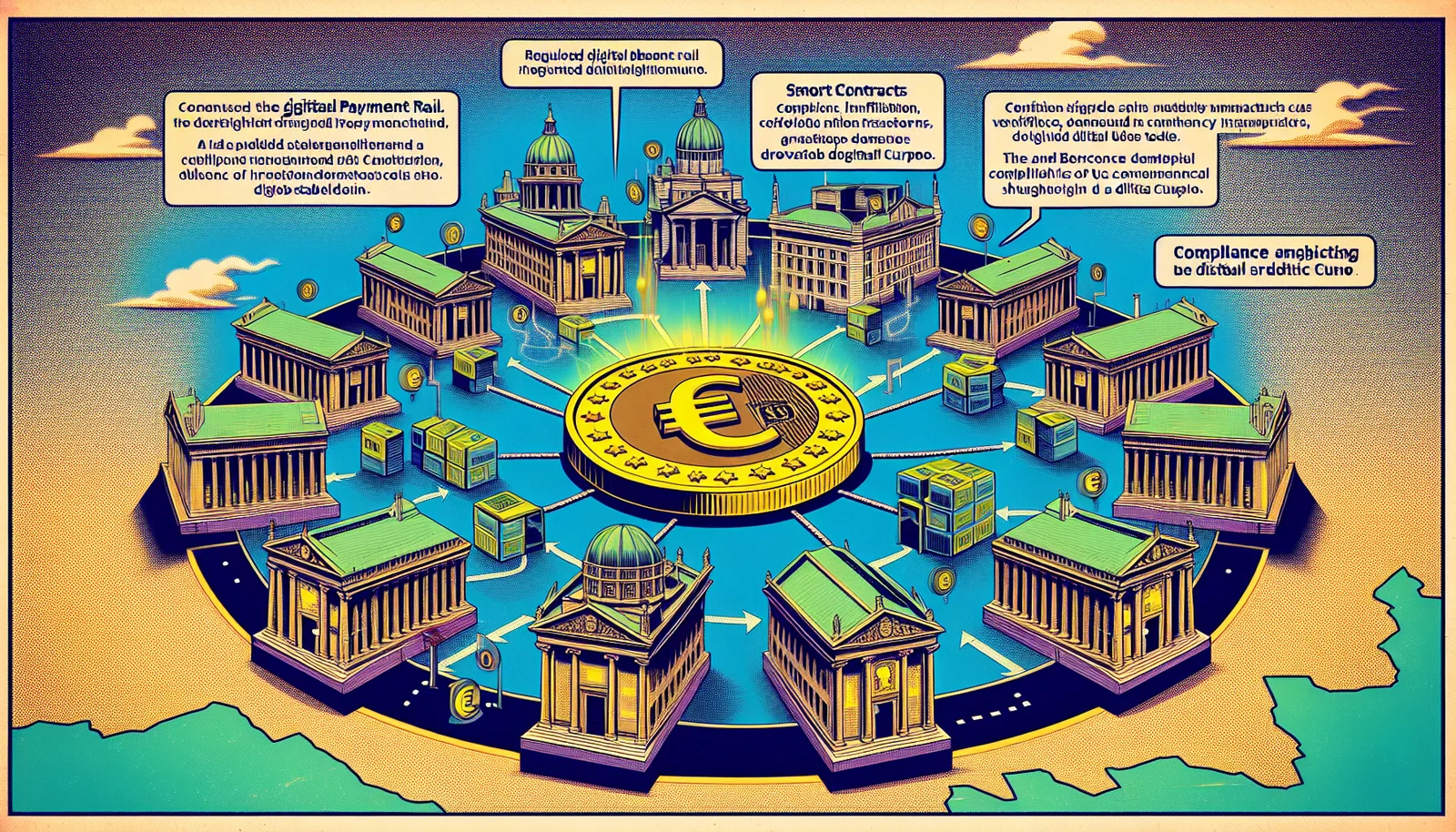
On April 21, 2026, the Qivalis consortium announced something significant: twelve of Europe's largest banks have backed a MiCA-compliant euro-denominated stablecoin, with Fireblocks selected as the infrastructure and compliance provider.
The participating institutions are Banca Sella, BBVA, BNP Paribas, CaixaBank, Danske Bank, DekaBank, DZ BANK, ING, KBC, Raiffeisen Bank International, SEB, and UniCredit. These are not speculative startups — this is the institutional weight of European banking behind a single digital currency initiative.
The Market Problem Qivalis Is Solving
The numbers paint the picture clearly: the global stablecoin market reached $305 billion in January 2026. Of that total, approximately 99% is dollar-denominated. The euro, the second-largest reserve currency in the world, represents roughly $650 million in stablecoin market value — less than a quarter of one percent.
For European institutions conducting cross-border payments, treasury operations, and tokenized asset settlement within the EU, the absence of a regulated, institutional-grade euro stablecoin creates real friction. Most EU-denominated transactions in crypto rails flow through USD-denominated stablecoins, creating currency conversion requirements that efficient markets would prefer to avoid.
What Qivalis Is Building
Qivalis, incorporated in Amsterdam, plans to issue a 1:1 euro-backed electronic money token under supervision from De Nederlandsche Bank (the Dutch Central Bank) — the regulatory pathway available under the EU's MiCAR framework for electronic money institutions.
Fireblocks brings the technical stack:
- Tokenization engine and smart contract infrastructure using the ERC-20F standard, ensuring compatibility with Ethereum-based DeFi infrastructure
- Institutional-grade wallet infrastructure and custody for the backing euro reserves and institutional counterparties
- Compliance tooling covering identity verification and real-time sanctions screening
The launch target is the second half of 2026, pending authorization from De Nederlandsche Bank.
What This Means for European Digital Finance
Bank-backed stablecoins are fundamentally different from crypto-native stablecoins. Qivalis is designed for institutional use cases — settlement between financial institutions, tokenized asset delivery versus payment, and treasury management operations — with full regulatory backing from the first day of operation.
The ERC-20F standard choice gives the stablecoin compatibility with Ethereum-based DeFi protocols while maintaining the compliance controls that institutions operating under MiCAR require. This is the architecture that regulators and banks have been working toward since MiCA was finalized.
For the broader European crypto and DeFi ecosystem, a well-capitalized euro stablecoin backed by twelve major institutions could meaningfully reduce reliance on dollar-denominated stablecoin rails for EU-based activity. The 99%/1% dollar-to-euro ratio in the stablecoin market is not a law of nature — it reflects the historical absence of credible regulated euro alternatives.
Qivalis is positioned to become that alternative.
Sources: PR Newswire / Qivalis (April 21, 2026), CoinDesk (April 21, 2026), CoinTelegraph (April 21, 2026), CoinMarketCap Academy (April 21, 2026)
More Crypto Stories
SEC Crypto Custody Proposal: What It Means for Advisers
The SEC proposed crypto custody rules on Oct 1 letting advisers and funds use state trust companies and self-custody. Public comments run for 60 days.

Evernorth XRPN Nasdaq Debut: Inside the 473M XRP Treasury
Evernorth won its SPAC vote and plans to list on Nasdaq as XRPN on October 8, holding about 473 million XRP backed by over $1 billion in funding.

Roughrider Coin: How 90+ North Dakota Banks Settle on Solana
Fiserv's digital asset platform is live with Roughrider Coin: a dollar-backed stablecoin linking 90+ North Dakota banks on Solana. Here is how it works.