
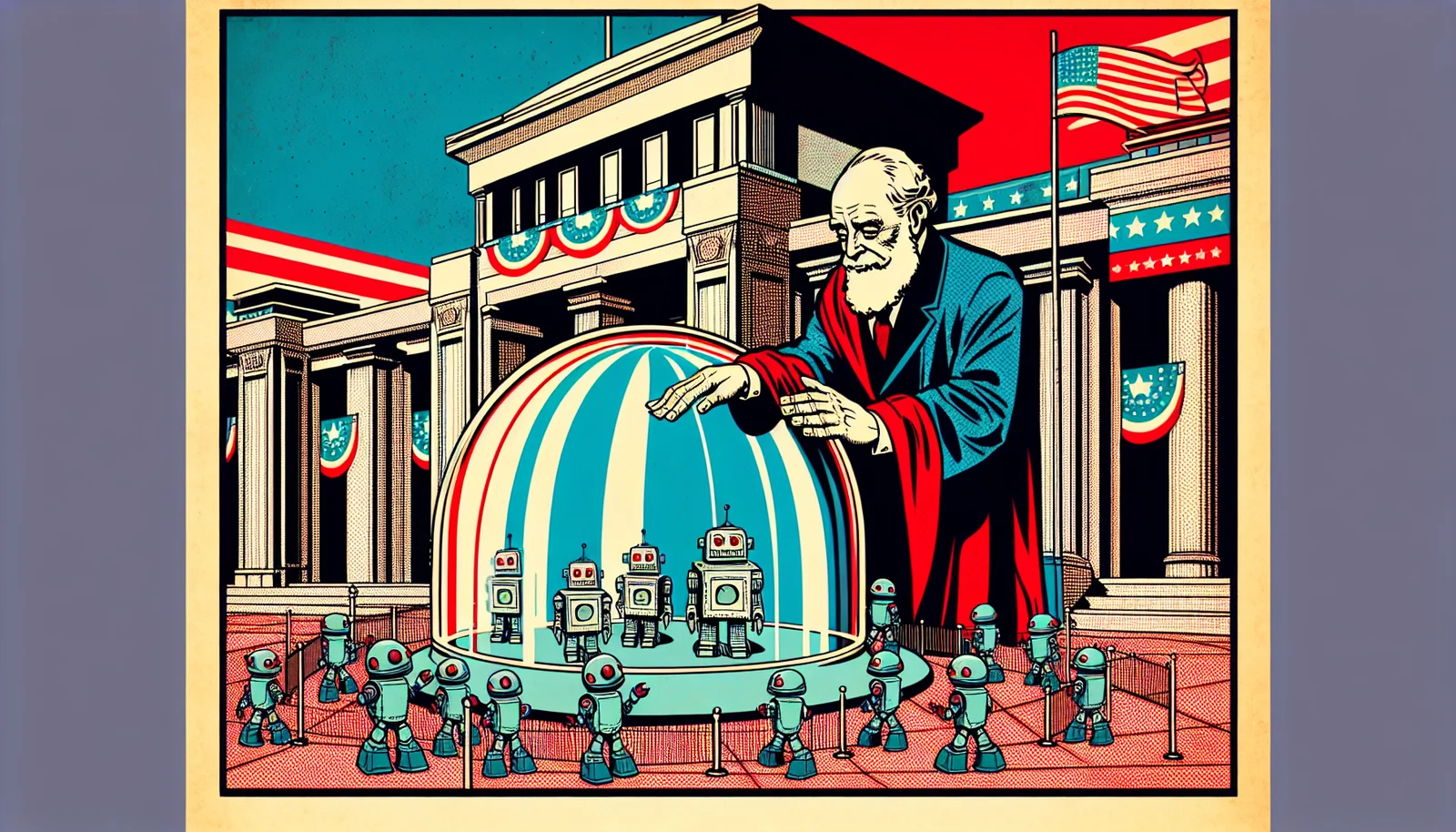
NIST Launches the AI Agent Standards Initiative to Get Ahead of Autonomous AI Security Risks
With 83% of organizations planning to deploy agentic AI but only 29% security-ready, NIST is building guardrails before the first major incident forces reactive regulation.

Securing AI Before It Goes Wrong
NIST's Center for AI Standards and Innovation announced the AI Agent Standards Initiative in February 2026, and the implications are significant for anyone deploying — or planning to deploy — autonomous AI systems. The Initiative's goal is straightforward: establish interoperability and security standards for AI agents before the technology outpaces the guardrails.
The timing is deliberate. A recent industry survey found that 83 percent of organizations plan to deploy agentic AI capabilities into their business functions, while only 29 percent reported being ready to operate those systems securely. That gap between adoption enthusiasm and security readiness is exactly the vulnerability that NIST is trying to close.
What NIST Is Asking
The Initiative launched with a Request for Information on AI agent security, with a submission deadline of March 9. NIST is seeking input from industry stakeholders on practices, methodologies, and case studies for measuring and improving the secure development of AI agent systems — defined as systems capable of taking autonomous actions that impact real-world environments.
The key security concerns NIST identified include agent hijacking (where an attacker takes control of an autonomous agent's actions), backdoor attacks embedded during training, prompt injection through external data sources, and unauthorized escalation of agent permissions.
NIST's National Cybersecurity Center of Excellence also released a separate draft concept paper on AI Agent Identity and Authorization — tackling the fundamental question of how autonomous agents should authenticate themselves and what permissions they should hold.
Why Proactive Standards Are a Good Sign
The fact that NIST is building security standards for AI agents before widespread enterprise deployment — rather than after a major incident forces reactive regulation — is genuinely encouraging. The AI security community has been raising concerns about agentic AI risks for months, and NIST's proactive stance suggests those warnings are being heard at the policy level.
The Initiative's outputs will ultimately inform federal procurement requirements, which in practice set the security floor for the entire industry. When NIST sets a standard, the private sector follows.
Sources: NIST (February 2026), Federal News Network (February 2026), Pillsbury Law (February 2026)
More Ai Security Stories

Anthropic OSS Scanner: Free AI Bug Scans for Open Source
Anthropic's OSS Scanner gives open-source maintainers free AI vulnerability scans with fixes; 85 of 97 tested severe findings met its disclosure bar.

What Is Prompt Injection? A Plain-English Defense Guide
What is prompt injection? Learn direct vs indirect attacks, 9 real scenarios, and the 7 OWASP-backed defenses that keep AI assistants and agents safe.

GitHub AI Secret Detection: How Push Protection Gets Smarter
GitHub is adding a ModernBERT classifier to push protection that spots unstructured passwords in under 2 ms and could more than double blocked secrets.