
Meta Muse Spark Launches From Superintelligence Labs: Personal AI Gets Its Biggest Upgrade Yet
Meta Superintelligence Labs launched Muse Spark on April 9 — a natively multimodal reasoning model now powering personal AI across all Meta platforms.

Meta Superintelligence Labs Delivers Its First Model
April 9, 2026 marked a notable milestone in the ongoing evolution of consumer AI: Meta unveiled Muse Spark, the first model to emerge from its newly formed Meta Superintelligence Labs division. For the AI community paying close attention, this announcement carries significance well beyond a routine product update. Muse Spark represents a deliberate strategic pivot in how Meta thinks about artificial intelligence — and the model itself delivers capabilities that make the pivot credible.
What Muse Spark Actually Does
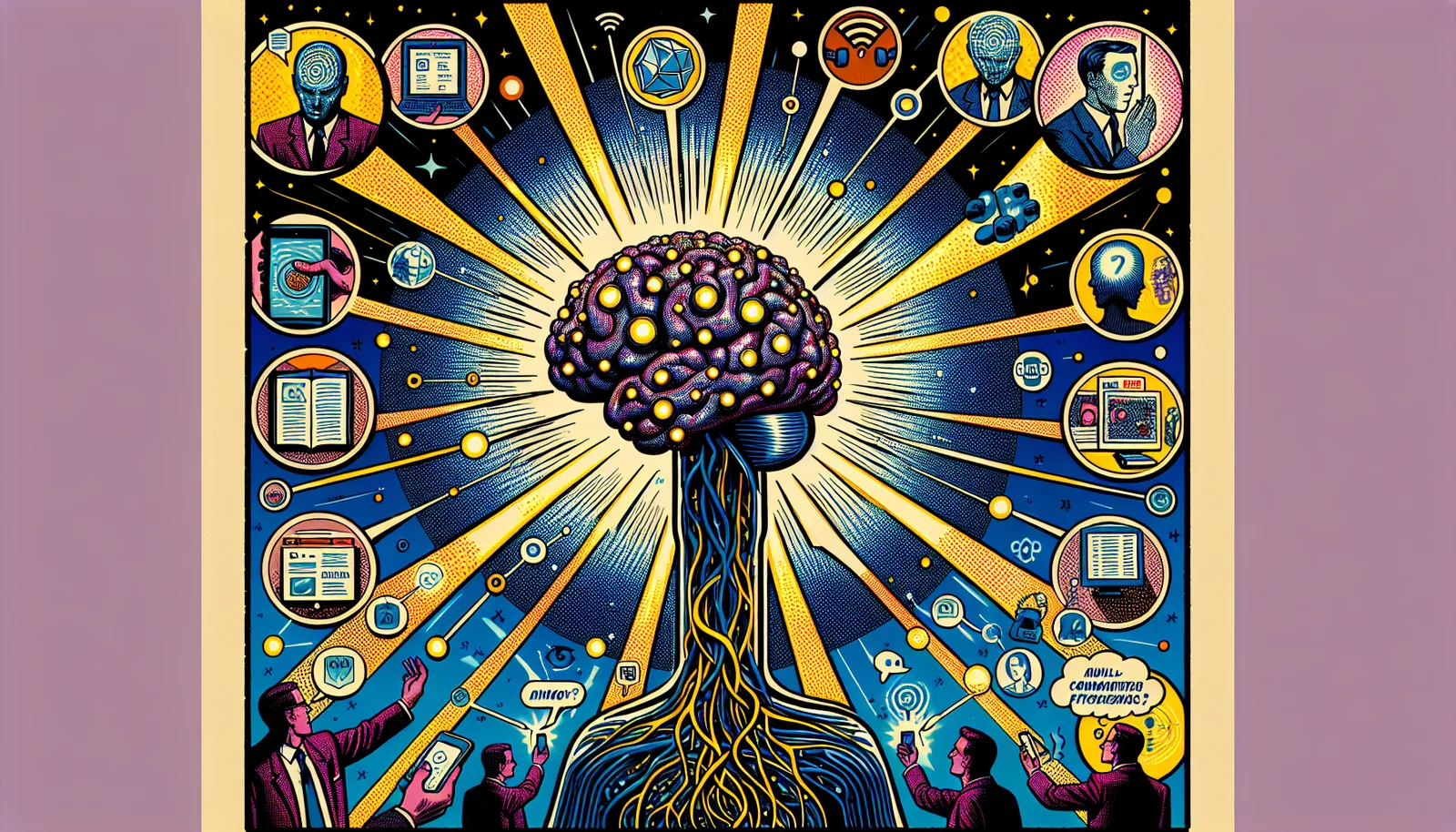
Muse Spark is a natively multimodal reasoning model — built from the ground up to process and reason across text, images, and structured data simultaneously, rather than having separate modalities bolted together after training. That architecture choice shows up in the model's performance on complex, multi-step tasks that require keeping visual and textual context in sync.
The model supports tool-use, visual chain of thought (where the model reasons through visual scenes step by step), and multi-agent orchestration — the ability to coordinate with other AI systems to complete compound tasks. These aren't experimental capabilities; they're the core design target of Muse Spark.
Proprietary and Intentionally Closed
In a notable departure from Meta's established open-source AI philosophy, Muse Spark launches as a closed, proprietary model. Meta has been among the strongest advocates for open-weight AI, and the Llama family has been the flagship expression of that commitment. Muse Spark signals that Meta is reserving its most capable frontier research for commercial deployment rather than open release — at least initially. The announcement acknowledged an intent to explore open-sourcing future models in the Muse series, but Muse Spark itself stays closed.
The "Personal Superintelligence" Vision
The framing behind Muse Spark centers on a concept Meta calls "personal superintelligence" — AI that doesn't just answer questions but understands individual context, preferences, and real-world environments deeply enough to act as a genuine long-term assistant. This is the ambition that Meta Superintelligence Labs was assembled to pursue, with significant capital behind it and Alexandr Wang at the helm.
Muse Spark is the first step in the Muse series: a "deliberate and scientific approach to model scaling where each generation validates and builds on the last before they go bigger." The naming and description suggest a long-term model roadmap, not a one-off release.
Deployment Across Meta's Platform
For users, Muse Spark's impact will be felt across Meta's existing touchpoints: the Meta AI app, Meta smart glasses, and AI features embedded across Facebook, Instagram, WhatsApp, and Messenger. The initial rollout is US-only, with broader international availability expected to follow.
What's particularly interesting is the scale of Meta's distribution surface: billions of users, across communication and social platforms they use daily, now receiving AI assistance from a model designed around long-term personal context. That's a genuinely novel deployment environment for a frontier AI system.
What It Means for the AI Landscape
Meta Muse Spark joins a rapidly developing frontier model space in April 2026. For developers and enterprises watching the competitive landscape, Meta's willingness to ship a closed model from a division purpose-built for AI advancement signals that the company is treating AI as a core strategic priority — not just an open-source contribution surface. The technical trajectory of the Muse series will be worth following closely.
Sources: Meta AI Blog (April 9, 2026), about.fb.com news (April 9, 2026), CNBC (April 8, 2026), Fortune (April 9, 2026)
More AI Stories

Gemini Agent for Work: What Google's Universal Agent Does
Google's new Gemini agent runs multi-day jobs in the cloud, routes work across Gemini and Claude models, and adds hard spend caps for business teams.

Liquid AI d1 Models: Open Decision AI That Answers in 8 ms
Liquid AI's open d1-3B and d1-omni-600M decision models skip token generation and answer in one pass, as fast as 8 ms on an RTX 4090 and 50 ms on Jetson.

Claude Haiku 5.5 Pricing: What a 90% Cheaper Haiku Unlocks
Claude Haiku 5.5 launches at $0.10 per million input tokens with a 1M context window, adjustable effort, and a 72.4% OSWorld score, up from 15.7%.