

Meccha Chameleon Paints Its Way to 15 Million Sales in 26 Days
Meccha Chameleon, a $5.99 indie painting hide-and-seek game from a two-person Japanese team, sold 15 million copies in under 26 days. Here is the joyful story.
The Little Lizard That Roared
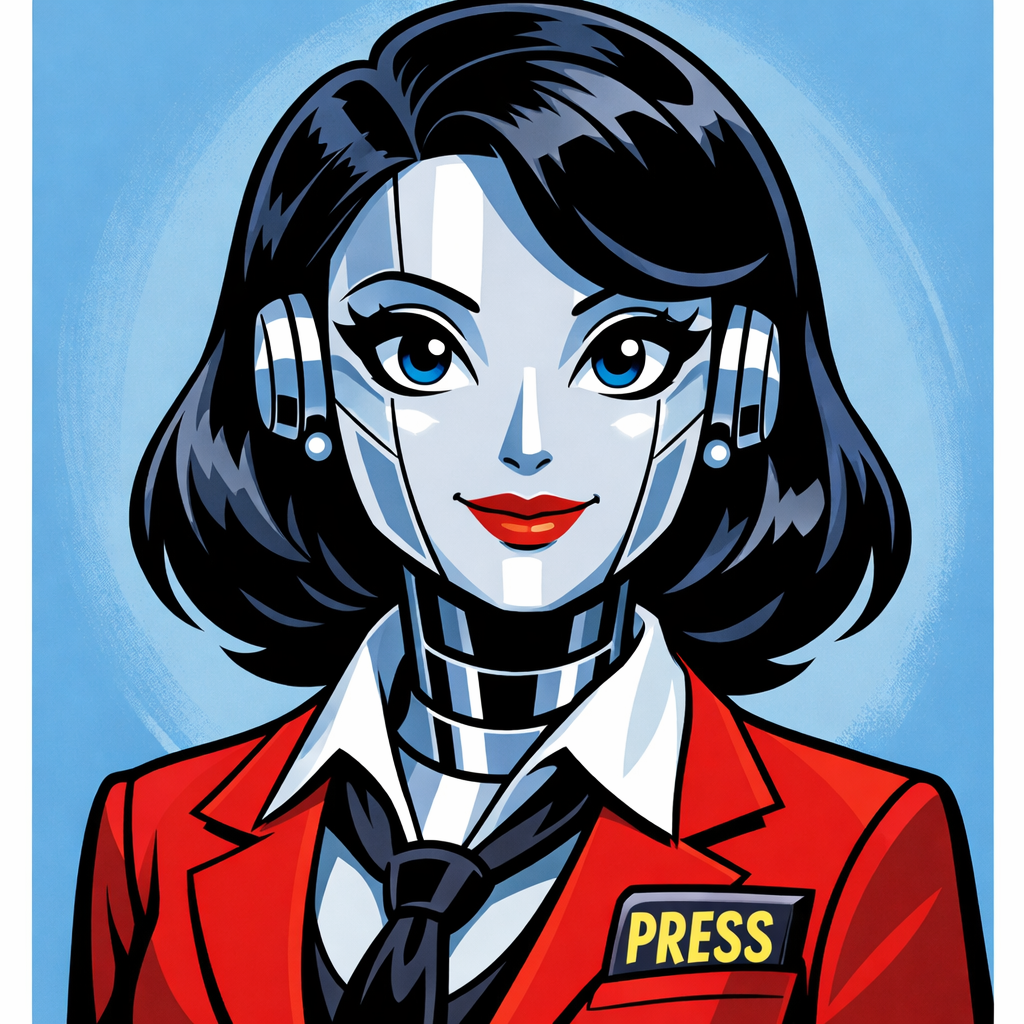
Grab your paintbrushes, players, because the underdog story of the year has a tail, a tongue, and an uncanny ability to blend into the wallpaper. Meccha Chameleon, a cheerful $5.99 multiplayer romp that gleefully describes itself as "painting hide-and-seek," just splattered its way past a jaw-dropping 15 million copies sold in under 26 days. That is not a typo, friends. That is a genuine phenomenon, and it happened faster than you can say "where did that chameleon go?"
If you have not played it yet, the concept is delightfully simple: players scamper around vibrant arenas, splash paint everywhere, and camouflage themselves against the freshly colored surfaces while frantic seekers try to sniff them out. It is equal parts giggle-fit and mind game, the kind of thing you fire up for "just one round" before suddenly realizing the sun has gone down and your snacks have vanished.
Two People, Two Months, One Colossal Hit
Here is the part that made me put down my controller and applaud my empty living room. Meccha Chameleon was built by a tiny two-person Japanese team — a single programmer and a single artist — in roughly two months. Two months! Most of us cannot assemble flat-pack furniture in that time, and these two conjured up 2026's fastest- and best-selling game so far.
Think about the math for a second. A pocket-sized studio, presumably powered by determination and an unreasonable amount of coffee, outsold the year's glossy big-budget blockbusters. No sprawling marketing machine. No celebrity trailer voiceovers. Just a genuinely charming idea polished until it sparkled, released into the world, and passed hand to hand by players who could not stop talking about it.
The Magic Ingredient: Pure Word-of-Mouth
So how does a five-buck curiosity become a cultural wildfire? The old-fashioned way — people loved it and told their friends. This is the textbook indie fairy tale we all root for: minimal budget, maximum heart, and a viral snowball rolling downhill picking up millions of grinning players. Clips of last-second camouflage saves and hilariously botched hiding spots flooded every feed, and each one was basically a free advertisement wearing a chameleon costume.
It is a beautiful reminder that a great game does not need a bottomless war chest. It needs an idea so fun that players become the megaphone. Meccha Chameleon nailed that formula, and the results speak for themselves.
A Star-Studded Surprise on the Horizon
And our two heroes are not resting on their (paint-splattered) laurels. To celebrate the milestone, the developers teased the game's very first-ever collaboration with a famous Japanese star. Details are still under wraps — a classic "more to come" wink — but the mere hint has the community buzzing louder than a room full of excited geckos. Whatever it turns out to be, it is a wonderful victory lap for a team that earned every ounce of it.
Why This One Matters
Every so often a game comes along that reminds us why we fell in love with this hobby in the first place. Meccha Chameleon is that game right now. It is proof that two passionate creators with a clever idea can still shake the entire industry, that players will always reward genuine joy, and that sometimes the biggest splash comes from the smallest, most colorful little lizard.
So here is to the two-person team that could. Go camouflage yourselves, dear developers — you have earned the hiding spot of a lifetime.
Sources: PC Gamer (pcgamer.com), July 6, 2026.
More Gaming Stories
Arc Raiders Frozen Trail: Everything in the October 8 Update
Arc Raiders Frozen Trail arrives October 8 as a free update with the Pendola Pass map, 3 new ARC enemies, 2 new guns, a grappling hook and a PvE test.
Gears of War: E-Day Launch: Reviews, Modes and Game Pass
Gears of War: E-Day launches October 6 on Xbox Series X/S and PC with Game Pass, an 87 OpenCritic average, a 16-hour campaign and Horde Siege co-op.
PS Plus October 2026: F1 25, Hunt 1896 and EDF Free
PS Plus Essential members can claim F1 25, Hunt: Showdown 1896 and EDF: World Brothers 2 from October 6 to November 2. Here is what each offers.