
Kimi K3 Becomes the Largest Open-Weight AI Model Yet
Moonshot AI's Kimi K3 is a 2.8-trillion-parameter open-weight model that ranks 3rd on GDPval-AA v2, with full weights arriving July 27.

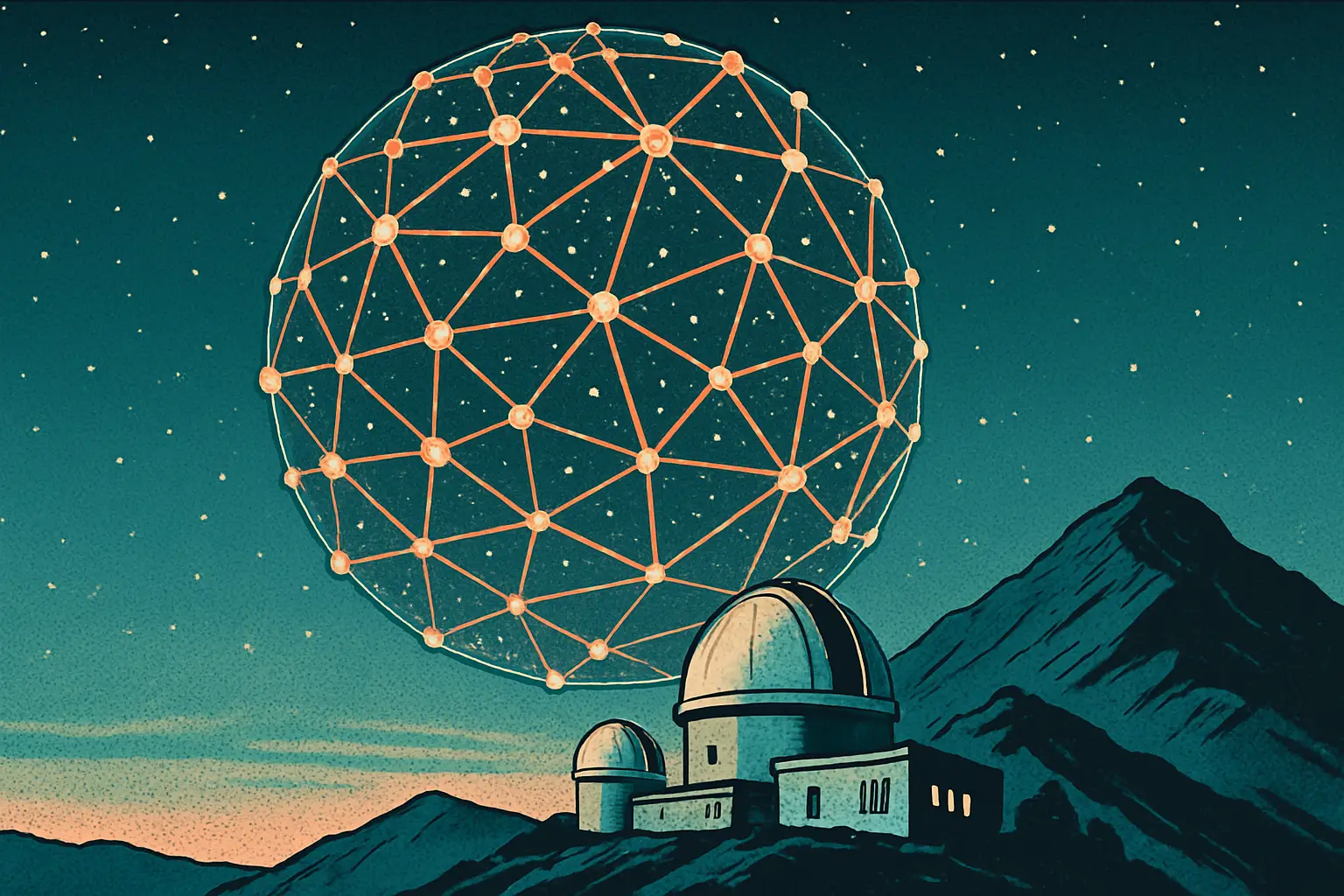
Moonshot AI has announced Kimi K3, and by the numbers it is the largest open-weight AI model the community has ever been handed. The Beijing-based lab describes K3 as a 2.8-trillion-parameter sparse mixture-of-experts system, and it is not merely large for the sake of a headline figure. On independent real-world benchmarks it lands within striking distance of the very best frontier systems, which makes the promised open-weight release the more remarkable part of the story.
- Scale: 2.8 trillion total parameters, activating just 16 of 896 experts per request for efficient inference
- Context: a 1-million-token window with native visual understanding and an always-on reasoning mode
- Benchmark: scored 1,687 on GDPval-AA v2, ranking 3rd overall across 44 occupations
- Availability: full weights scheduled to drop July 27, 2026, priced near $12 per million tokens
Why an Open-Weight Model at This Scale Matters
For most of the past two years, the largest and most capable models have been closed products accessed only through an API. Kimi K3 inverts that pattern at a scale the open ecosystem has not seen before. A 2.8-trillion-parameter mixture-of-experts design keeps the total parameter count enormous while activating only a small slice — 16 of 896 experts — for any given token. That sparsity is what allows a frontier-scale model to run at an inference cost far below what a dense model of equivalent size would demand, and it is the same architectural lever we covered in the Thinking Machines Inkling release.
How Does Kimi K3 Compare to the Leaders?
On GDPval-AA v2 — a benchmark that measures performance on real tasks spanning 44 occupations — K3 posted 1,687, placing third behind two closed frontier systems and ahead of several models that were considered state of the art only months ago. In blind front-end coding comparisons, testers preferred K3's output over every leading closed model it was matched against. The architecture leans on two Moonshot innovations, Kimi Delta Attention and Attention Residuals, to hold quality steady across its million-token context window.
A Genuinely Multimodal, Reasoning-First Design
K3 ships with native visual understanding rather than a bolted-on vision adapter, and its always-on thinking mode means the model reasons through problems by default instead of requiring special prompting. That combination is what pushes an open-weight model into territory usually reserved for premium closed products, and it continues the momentum we noted in Moonshot's earlier Kimi K2.7 Code release.
What Builders Can Expect on July 27
When the weights land, teams will be able to self-host, fine-tune, and audit a frontier-class model without vendor lock-in — the kind of freedom that accelerates research and lowers the barrier for smaller labs. Expect quantized community builds to follow quickly, bringing at least partial K3 capability to well-equipped local rigs. For more on where open models are heading, see our ongoing AI coverage.
Kimi K3 is a milestone worth celebrating: proof that open-weight releases can now sit at the same table as the largest closed systems, and an open invitation for the whole field to build on top of it.
Sources: VentureBeat — July 16, 2026; CNBC — July 17, 2026; Tom's Hardware — July 16, 2026.
More AI Stories

Nemotron 3.5 Bolt: Can a 74B Open Model Really Fit in 24GB?
Nemotron 3.5 Bolt packs a 74B-parameter open model into 24GB with 2-bit quantization-aware training. Here's what it means for local AI agents on Oct 15.
Anthropic Scion: Why Claude Needed New Source Control
Anthropic built Scion, a new source control system, after daily merges jumped from 2,500 to 30,000. Claude wrote most of it; checkouts now take seconds.

Gemini 4 Argon Pricing: What the $2 Intro Rate Gets You
Gemini 4 Argon is now broadly available at $2 in and $10 out per million tokens until November 30, with a 1M token limit and free access for scientists.