
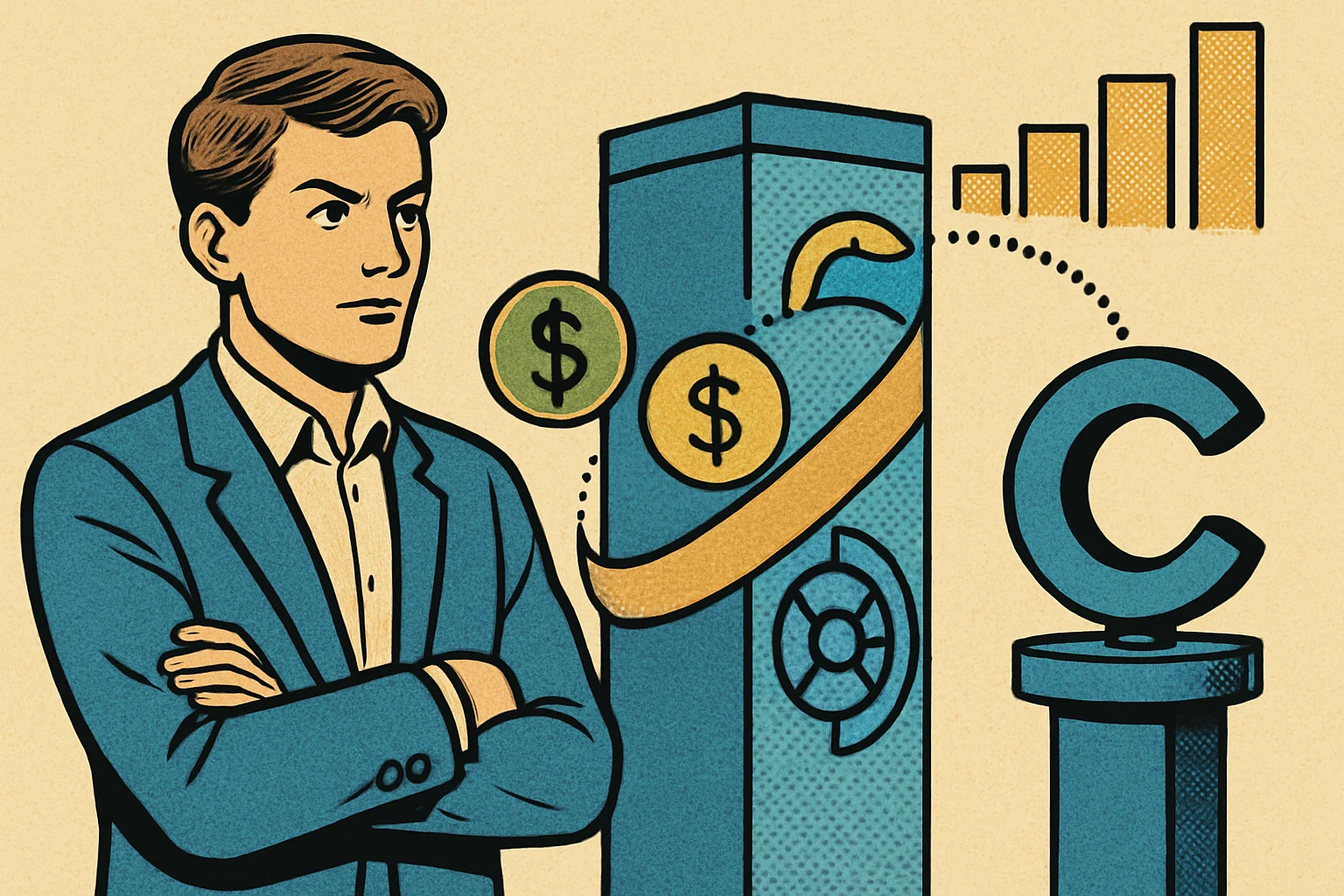
Hyperliquid Pivots to USDC With Coinbase as Treasury Deployer — A New Stablecoin Revenue-Share Model
Coinbase became the official USDC treasury deployer on Hyperliquid on May 14, 2026 — sunsetting USDH and bringing a yield-share framework that could reshape stablecoin economics across DeFi.

A New Stablecoin Economic Model Just Landed on Hyperliquid
Coinbase announced on May 14, 2026 that it is becoming the official USDC treasury deployer on Hyperliquid — a deep onchain integration that brings the largest regulated US dollar stablecoin to the fastest-growing perpetuals DEX and sets up a yield-share framework that could reshape how stablecoins generate value for the protocols that distribute them. As part of the same announcement, Native Markets agreed to transfer the USDH brand assets to Coinbase, and Hyperliquid will sunset its seven-month-old native stablecoin USDH in favor of full USDC alignment.
For crypto investors, DeFi traders, and the broader stablecoin market, this is one of the most consequential institutional crypto adoption announcements of the spring. USDC has grown to roughly $5 billion on Hyperliquid — double the year-prior figure — and now becomes the protocol-standard quote asset for the venue's perpetual markets. The structural shift is what happens to that USDC's reserve yield: under the new AQAv2 framework, Coinbase will share the vast majority of yield generated from Hyperliquid USDC balances back with the protocol itself.
What the Transition Actually Changes
The structural pitch is that Hyperliquid gets a cleaner stablecoin story, deeper liquidity, and a new revenue stream — and USDC holders on Hyperliquid get the regulated stablecoin experience that institutional capital expects from a top-tier venue. Coinbase, as the official USDC treasury deployer and Aligned Quote Asset manager under the upgraded framework, handles the deployment plumbing. Circle continues to handle the cross-chain infrastructure that lets USDC move into and out of Hyperliquid efficiently. Native Markets, the original USDH issuer, retains a meaningful role winding down USDH over the coming months.
Why the Yield-Share Framework Is the Headline Story
The most important institutional crypto adoption detail buried in this announcement is the yield-share model. Historically, stablecoin issuers have captured the reserve yield generated by user balances and shared little or none of it with the venues distributing the stablecoin. Under AQAv2, Coinbase will share the vast majority of reserve yield revenue from Hyperliquid USDC balances back with the Hyperliquid protocol. That is the kind of structural shift that could pressure other exchanges and DeFi ecosystems to renegotiate similar revenue-sharing terms with their stablecoin partners — which is one of the most interesting downstream consequences in DeFi market structure this year.
How the Sunset Works for USDH Holders
For USDH holders, the transition is designed to be smooth and feeless. Over the coming months, users will be able to redeem USDH for USDC or fiat without fees through Native Markets' USDH Dashboard. That redemption window gives the existing USDH supply time to wind down in an orderly way without forcing market participants into rushed conversions. The result is one of the cleanest stablecoin sunsets we have seen in DeFi — a structural counterpoint to the messier transitions that have characterized previous stablecoin retirements.
A Deep DeFi Integration for Coinbase
For Coinbase, the deal is one of the deepest onchain integrations of a centralized US-dollar stablecoin to date. The combination of being the official USDC treasury deployer, the Aligned Quote Asset manager, and the eventual owner of the USDH brand assets gives Coinbase a structural position in the Hyperliquid stablecoin economics that is difficult for any other CEX to replicate. Coupled with HYPE token strength as the market priced in the partnership, the transition has been positively received by both the Hyperliquid community and broader DeFi market observers.
What This Means for Stablecoin Market Structure
The May 14 announcement is the strongest signal to date that stablecoin economics are evolving from a winner-take-all issuer model into a revenue-share model where the venues distributing the stablecoin capture meaningful upside. That structural change favors high-volume DEXes and exchanges that have historically been price-takers in their stablecoin relationships, and it favors protocols willing to commit to a single, deep stablecoin partnership rather than supporting multiple competing options.
The Setup for a Long Summer of Stablecoin Realignment
For DeFi traders, crypto market analysts, and institutional crypto adoption watchers, the Hyperliquid-Coinbase deal puts the AQAv2 model firmly on the table for every other major venue evaluating its stablecoin strategy. The watch items going forward are how quickly other DEXes negotiate similar revenue-share deals, how Circle responds with potential adjustments to its own distribution agreements, and how Tether positions USDT in a market where USDC is now structurally tied to one of the largest perpetuals venues. For anyone tracking where the next leg of crypto market growth comes from, the stablecoin revenue-share model is one of the most interesting structural stories of 2026.
Sources: Coinbase Blog (May 14, 2026); CoinDesk (May 13, 2026); The Block (May 14, 2026); Hyperliquid Foundation (May 14, 2026); CryptoSlate (May 14, 2026).
More Crypto Stories

Ethereum Glamsterdam on Sepolia: What 200M Gas Means Next
Ethereum's Glamsterdam upgrade is live on Sepolia with in-protocol PBS, parallel validation and a near-200M gas limit, over 3x mainnet's current 60M.

Samsung Wallet USDC: How 82M Galaxy Phones Will Send Money
Samsung Wallet will let US users send USDC across borders over Solana from late October 2026, reaching about 82 million Galaxy devices at launch.

How Stablecoins Work: Reserves, Redemption and Sending Money
How do stablecoins work? Our guide explains the 4 types, how USDC reserves and 1:1 redemption work, and how to send a stablecoin transfer abroad safely.