
Hugging Face Opens the Reachy Mini App Store — 200+ Open-Source Robot Apps for $299
Hugging Face launched an open-source app store for its $299 Reachy Mini robot on May 6, 2026, putting 200+ community-built robotics apps and an AI agent code-generator one click away.

The First Genuinely Open Robot App Store Just Went Live
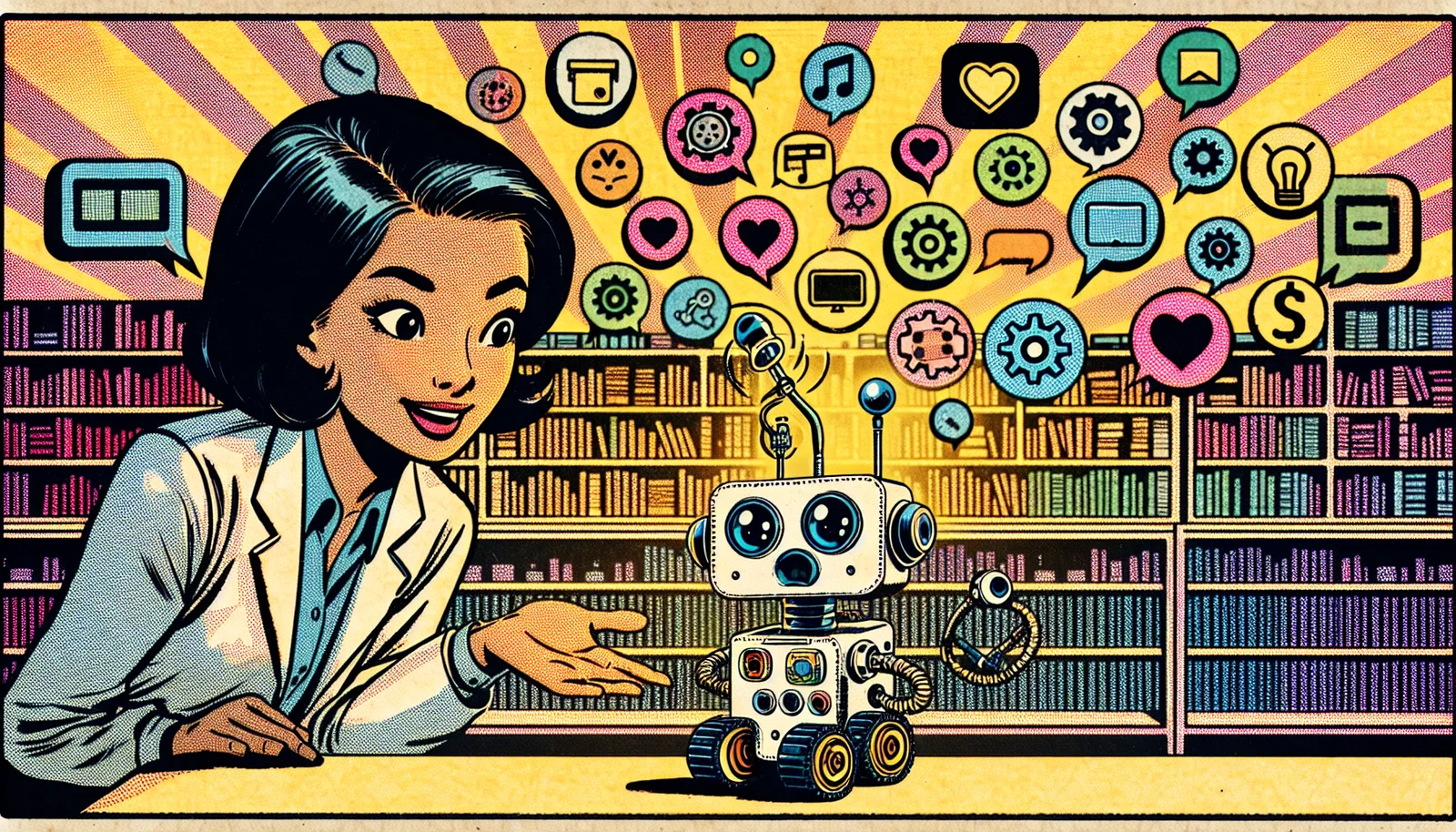
On May 6, 2026, Hugging Face turned on the Reachy Mini App Store and quietly delivered something the consumer robotics world has been waiting on for years: a properly open, properly extensible application catalog for an affordable desktop robot. The Reachy Mini robot itself is a $299 open-source desktop companion built by Pollen Robotics, the French robotics studio Hugging Face acquired in 2025. The new app store gives every owner one-click access to more than 200 community-built apps — every single one of them an open-source repository on the Hugging Face Hub, free to install, fork, and modify.
For anyone who has watched the consumer robotics category struggle through closed walled-garden ecosystems for the past decade, this is the structural change that matters. Sales numbers back the momentum: Pollen Robotics has shipped roughly 10,000 Reachy Mini units to date, with 3,000 of those selling in the past two weeks alone, and another 1,000 expected to ship within thirty days.
Why an Open-Source Robot App Store Is the Right Architecture
The Reachy Mini App Store treats every app as a Hugging Face Hub repository. That sounds like an implementation detail; it is actually the entire thesis. Every app is searchable through the same interface developers already use to browse open-source AI models. Every app is forkable — owners can duplicate an existing app, hand it to an AI agent, and ask for modifications in plain English. Every app is auditable, because the source code lives in the open. For a category where consumers have historically had no insight into what the robot in their living room was actually doing, that transparency is meaningful.
What's Already in the App Store
The 200+ launch catalog covers a wider surface than you would expect from a robot in this price band. Conversational companions powered by open-weight LLMs. Educational apps that teach kids physics, music, and language through interactive routines. Productivity helpers that read calendars, summarize meetings, or run focused-work timers. Creative apps for music generation, dance routines, and home theater integration. Each app is a small program that orchestrates the robot's motors, cameras, microphones, and speakers in a particular way — and crucially, owners can mix and match capabilities across apps in ways closed-platform robots have never permitted.
The ML Intern Code Generator Is the Sleeper Feature
Tucked inside the app store launch is the feature that probably matters most for adoption: an AI coding agent called ML Intern that turns plain-English app ideas into working Reachy Mini code. The pitch is direct — owners describe what they want the robot to do, ML Intern writes the application, and Hugging Face claims a beginner can ship a working app in under an hour. That is the kind of capability that turns a $299 robot from a fixed-function gadget into a programmable pet whose behaviors evolve with the owner's curiosity.
Why Coding-Agent-Built Robotics Apps Matter
Historically, the bottleneck on consumer robotics adoption has not been hardware — it has been the gap between "I have an idea for a behavior" and "I have working code that runs on the robot." Closing that gap with a coding agent is exactly the right move for the category in 2026, when AI code generation has matured to the point where well-scoped robotics apps are within reach of users with no engineering background. Combined with the open-source-by-default architecture, ML Intern is the lever that turns the Reachy Mini App Store into a community.
How This Fits Into the Broader Open-Source Robotics Wave
The Reachy Mini App Store launch sits inside a broader 2026 trend of open robotics platforms reaching genuine consumer scale. Hugging Face has been building toward this moment since acquiring Pollen Robotics — earlier in the year, the company released open-source educational robot models and an open robotics SDK that lower the barrier for hobbyist and school deployments. The May 6 app store launch is the natural completion of that arc: hardware that is affordable, a software stack that is open, and a distribution channel that is free for users and welcoming for developers.
For makers, educators, and curious consumers looking at the open-source robotics category in 2026, the Reachy Mini at $299 with a one-click app store and an AI coding agent built in is the most accessible entry point in the field. The combination of price, openness, and community velocity makes it a credible default choice for anyone who wants to put a programmable robot on their desk without committing to a closed-platform ecosystem.
Sources: Hugging Face blog, May 6, 2026; VentureBeat, May 6, 2026; Axios, May 6, 2026; TechBooky, May 2026.
More AI Stories

Gemini Agent for Work: What Google's Universal Agent Does
Google's new Gemini agent runs multi-day jobs in the cloud, routes work across Gemini and Claude models, and adds hard spend caps for business teams.

Liquid AI d1 Models: Open Decision AI That Answers in 8 ms
Liquid AI's open d1-3B and d1-omni-600M decision models skip token generation and answer in one pass, as fast as 8 ms on an RTX 4090 and 50 ms on Jetson.

Claude Haiku 5.5 Pricing: What a 90% Cheaper Haiku Unlocks
Claude Haiku 5.5 launches at $0.10 per million input tokens with a 1M context window, adjustable effort, and a 72.4% OSWorld score, up from 15.7%.