
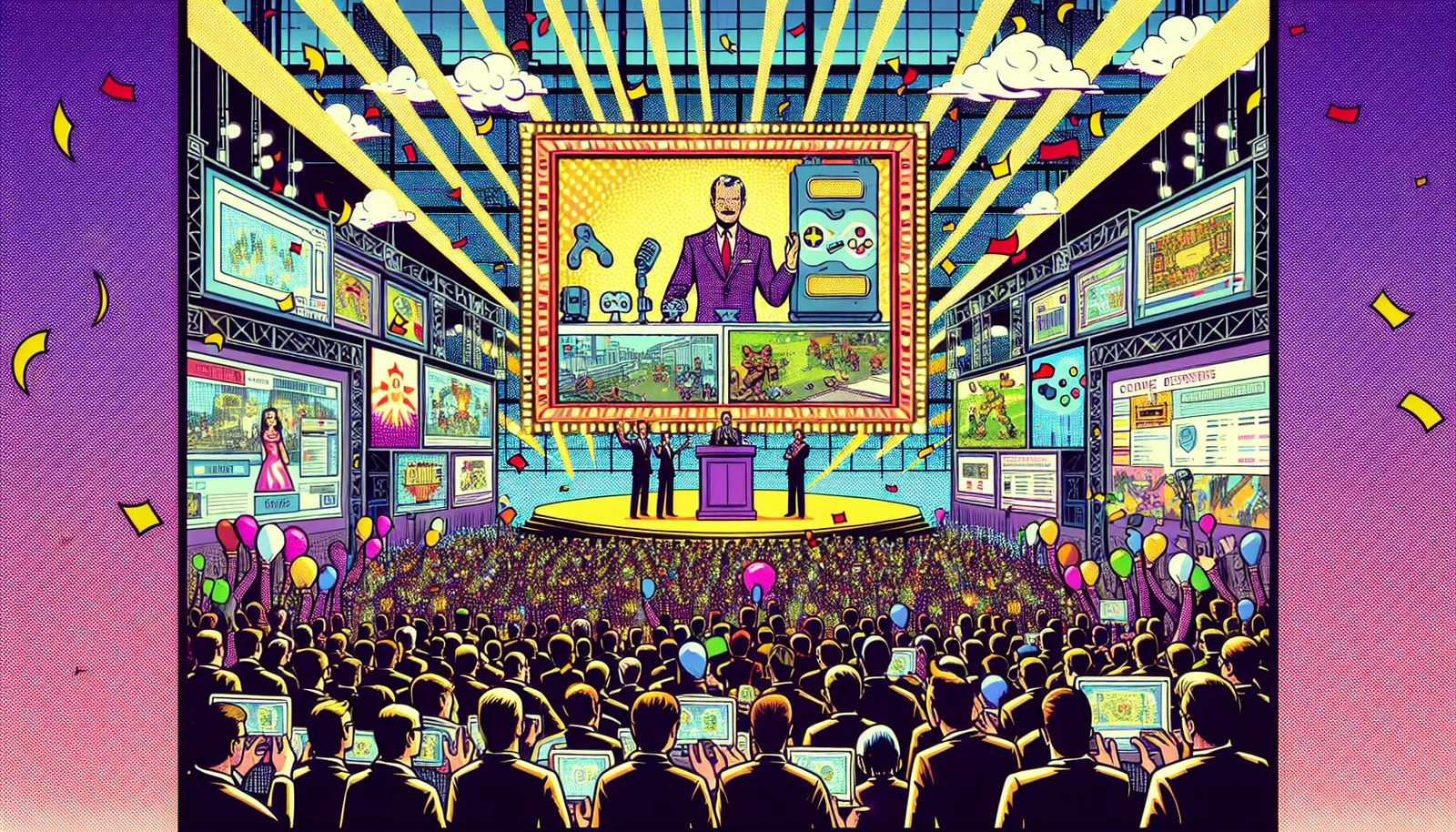
GDC 2026 Wraps as the 'Festival of Gaming' — Five Takeaways From the Industry's Biggest Week
The rebranded Game Developers Conference featured Hideo Kojima's first keynote in 5 years, a new pass structure, 14 content tracks, and a renewed focus on indie development.
A New Identity for an Evolving Industry
GDC 2026 wrapped up in San Francisco on March 13, capping a week that felt notably different from previous years. The conference officially rebranded as the GDC Festival of Gaming, reflecting what organizers described as a need for "more connection, visibility, and support" in an industry navigating significant change. The new name isn't just cosmetic — it signals a shift in how the event positions itself, from a primarily developer-focused conference to a broader celebration of game creation.
The restructured pass system was one of the most visible changes. GDC consolidated its previously confusing multi-tier ticketing into two main options: a Festival Pass and a higher-tier Game Changer Pass. The simplification made the event more accessible and affordable, which organizers credited with driving strong attendance numbers despite the industry's ongoing turbulence.
Kojima's Return to the Stage
The week's marquee moment was Hideo Kojima's keynote address — his first at GDC in five years. The legendary creator behind Metal Gear Solid and Death Stranding used the platform to discuss his vision for the future of interactive entertainment, emphasizing the convergence of games, film, and AI-generated experiences. The keynote drew capacity crowds and reinforced GDC's ability to attract the industry's biggest creative voices.
14 Tracks, Broader Reach
The expanded program featured 14 content tracks covering everything from traditional game design and programming to emerging areas like AI tools for development, accessibility best practices, and sustainable game studio management. The breadth reflects the reality that modern game development touches far more disciplines than code and art — and that the people building games increasingly come from diverse professional backgrounds.
What's Next for the Industry
The overriding theme across panels and hallway conversations was cautious optimism. After a difficult 2025 marked by studio closures and layoffs, GDC 2026 showcased an industry that's adapting — embracing new tools, exploring new business models, and finding ways to make ambitious games with smaller teams. The indie scene, in particular, emerged as a bright spot, with several sessions highlighting how solo developers and small studios are using AI-assisted tools to punch above their weight.
Sources: Bloomberg (March 13, 2026), GDC Official (March 2026), Windows Developer Blog (March 11, 2026)
More Gaming Stories

Forza Horizon 6 PS5 Release Date: January 26 and Expansion 1
Forza Horizon 6 arrives on PS5 January 26, 2027 with crossplay, cross-save and a free update, while Premium owners start 5 days early with Expansion 1.
Ace Combat 8 Sales Hit 1 Million: The Series' Fastest Ever
Ace Combat 8: Wings of Theve sold 1 million copies in about a week, the fastest in series history, and holds an 87 Metacritic score on PS5, Xbox and PC.
GTA 6 Radio Stations: All Six Revealed, Plus Podcasts
Rockstar revealed six GTA 6 radio stations, including Flash FM, and confirmed on-demand podcasts you can play on foot with in-game earbuds before Nov 19.