
Fasset Reaches $1B Valuation on a $68M SBI-Led Round
Fasset's $68M Series C led by SBI Group values the stablecoin neobank at $1B, lifting its 2026 total to $119M across 100+ banking corridors.

Fasset has crossed the billion-dollar line. On August 24, 2026, the Los Angeles-based stablecoin neobanking platform announced a $68 million Series C led by Japan's SBI Group at a $1 billion valuation — its second round of the year and the point at which a company that has been building settlement plumbing quietly becomes a name people track.
- The Series C is $68 million led by SBI Group, at a $1 billion valuation
- Combined with a $51 million Series B in May 2026, Fasset has raised $119 million this year and reaches unicorn status
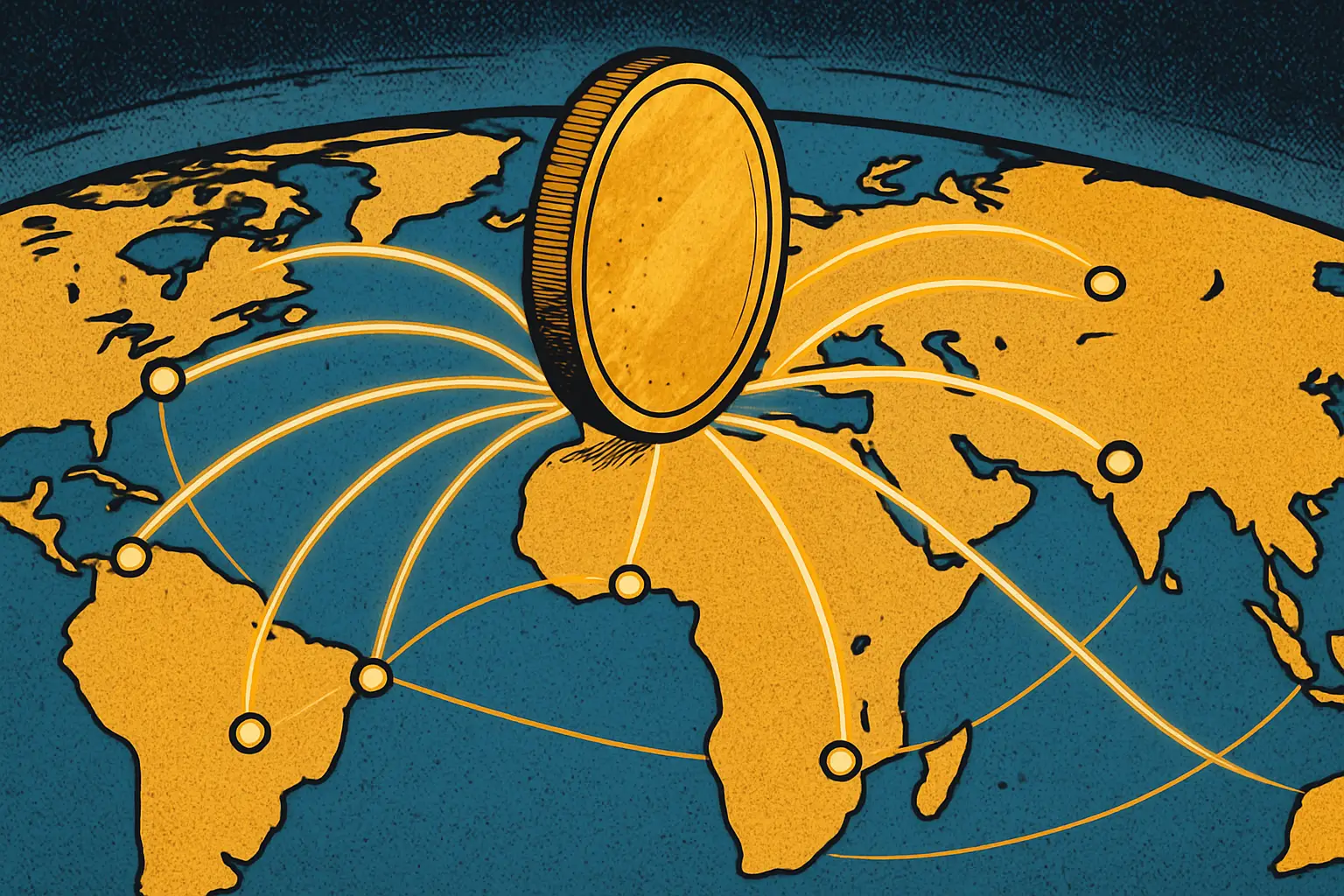
- Its Own Network connects banks, payment providers, and financial institutions across more than 100 banking corridors
- Proceeds go toward expanding Own Network and building AI systems for corridor banking, stablecoin settlement, and tokenized assets
What Fasset Actually Does
The consumer-facing description is a neobank, but the interesting part is underneath. Fasset operates Own Network, an interconnect layer that lets banks and payment providers settle across borders using stablecoins rather than correspondent banking. The corridor count — north of 100 — is the metric that matters, because a payments network's value is a function of which pairs of places it can actually move money between.
When we covered Fasset's $51 million Series B in May, the company reported 50-plus corridors and $32 billion in cumulative volume. Doubling the corridor count in roughly three months is the kind of expansion that explains why the round closed at more than double the prior valuation.
CEO Mohammad Raafi Hossain framed the next phase as, in his words, "any-to-any banking" — any person to any person, any asset to any asset, any rail to any rail.
Why Is SBI Group Leading Another Round?
SBI has been the most consistently active institutional backer in this corner of the market. It participated in Fasset's Series B, it is the partner behind Ripple's RLUSD launch in Japan, and it led the Series C at EDX Markets in July. A follow-on lead from an investor who has watched the corridor buildout up close is a stronger signal than a new name at the same valuation.
The market context helps too. USD-pegged stablecoin supply now exceeds $290 billion, with USDT at roughly $183 billion and USDC at $73.6 billion. That is a large enough float that settlement infrastructure built on top of it is no longer a speculative bet on adoption — the adoption already happened, and the open question is who operates the rails.
What to Watch Next
The AI piece in the use-of-funds line is worth a second look. Corridor banking involves compliance screening, liquidity forecasting, and routing decisions across dozens of jurisdictions, all of which are pattern-matching problems with real cost attached. Applying models there is less glamorous than a consumer chatbot and considerably more defensible as a moat.
The competitive field is getting crowded in a healthy way, from JPYC's yen stablecoin expansion to bank-issued tokenized deposits. Fasset's bet is that the winner is whoever has the most corridors rather than the best-known token. More market coverage is on our crypto page.
Sources: The Block — August 24, 2026; FinTech Global — August 24, 2026.
More Crypto Stories

Samsung Wallet USDC: How 82M Galaxy Phones Will Send Money
Samsung Wallet will let US users send USDC across borders over Solana from late October 2026, reaching about 82 million Galaxy devices at launch.

How Stablecoins Work: Reserves, Redemption and Sending Money
How do stablecoins work? Our guide explains the 4 types, how USDC reserves and 1:1 redemption work, and how to send a stablecoin transfer abroad safely.

Cardano CIP-0113: How Programmable Compliance Tokens Work
Cardano CIP-0113 is live, letting stablecoin and bond issuers build KYC, sanctions and transfer rules into native tokens with no hard fork. Here is how.