
Ethereum zkAPI: Pay for AI APIs Without Revealing Identity
The Ethereum Foundation's zkAPI is live on mainnet: deposit ETH or USDC once, then pay for AI APIs with zero-knowledge proofs instead of your identity.

The Ethereum Foundation launched zkAPI on Ethereum mainnet on October 1, 2026, a system that lets people pay for AI and other API services without tying each request to their identity. You deposit credits once, then prove you can pay using zero-knowledge proofs instead of an account name or card.
- zkAPI is live on Ethereum mainnet, with a Sepolia testnet deployment for developers.
- Users deposit ETH or USDC into a vault contract once, then authorize bounded usage with zero-knowledge proofs.
- The client exposes standard OpenAI- and Ollama-compatible APIs on your own machine, so existing tools can plug in.
- The Foundation's dAI team built it with the Open Anonymity Project, according to The Block.
How Does zkAPI Work?
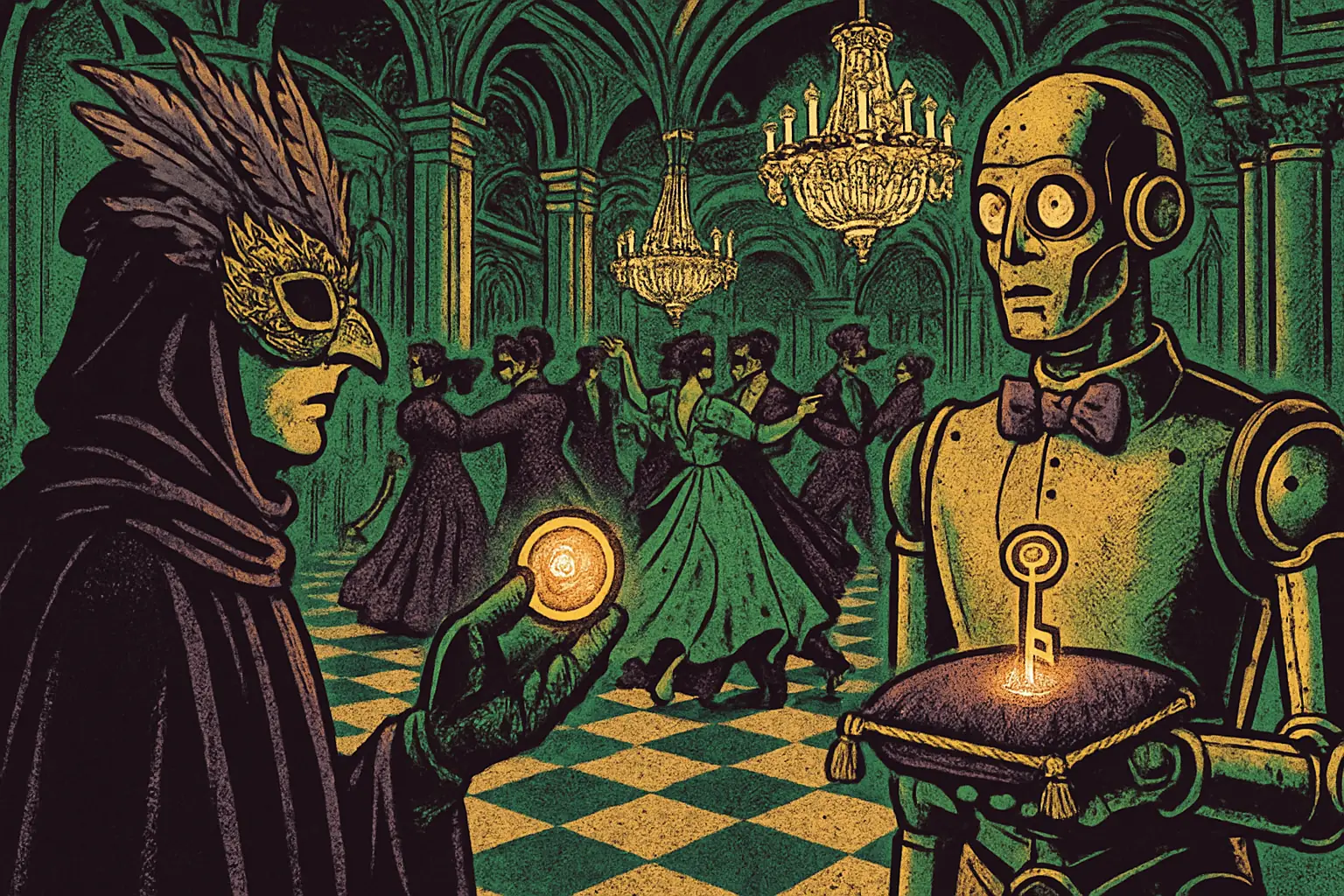
The design separates payment from identity. According to the Foundation's post, your device generates a zero-knowledge proof showing you have funds in the vault, without revealing which deposit is yours. The payment server checks the proof and issues a short-lived API key with a spending limit. You then send requests directly to the provider.
The payment server never sees what you ask, and the provider never learns who is paying. Nullifiers, a standard zero-knowledge technique, stop anyone from spending the same credit twice while keeping requests unlinkable. Under the hood it uses Groth16 proofs on the BN254 curve, Poseidon hashing and a 32-level Merkle tree.
The Block reports that zkAPI implements the ZK API usage credits design that Davide Crapis and Vitalik Buterin published in February 2026.
Why Does Private AI Payment Matter?
AI chats can reveal a lot: health questions, business plans, personal worries. Today, most AI services link every prompt to a billing account. zkAPI breaks that link at the payment layer, which is a meaningful privacy upgrade for individuals and for businesses that do not want their research directions exposed.
The Block lists a broad set of uses beyond chat, including AI agents, RPC queries, image and video generation, VPN bandwidth and machine-to-machine payments. That last one is especially interesting as AI agents start paying for services on their own.
What Are zkAPI's Limits?
The Foundation is clear about what zkAPI does not cover. It does not hide your IP address, so network-level correlation is still possible, and it recommends tools like Tor for that layer. The content of your prompts can also re-link sessions if they include personal details or a distinctive writing style. zkAPI is one strong piece of a privacy stack, not the whole thing.
It also shows the Foundation investing in practical infrastructure, following moves like its expanded bug bounty program. Follow more blockchain privacy and payments news in our crypto section.
Sources: Ethereum Foundation Blog: Introducing zkAPI — October 1, 2026; The Block — October 1, 2026.
More Crypto Stories
SEC Crypto Custody Proposal: What It Means for Advisers
The SEC proposed crypto custody rules on Oct 1 letting advisers and funds use state trust companies and self-custody. Public comments run for 60 days.

Evernorth XRPN Nasdaq Debut: Inside the 473M XRP Treasury
Evernorth won its SPAC vote and plans to list on Nasdaq as XRPN on October 8, holding about 473 million XRP backed by over $1 billion in funding.

Roughrider Coin: How 90+ North Dakota Banks Settle on Solana
Fiserv's digital asset platform is live with Roughrider Coin: a dollar-backed stablecoin linking 90+ North Dakota banks on Solana. Here is how it works.