
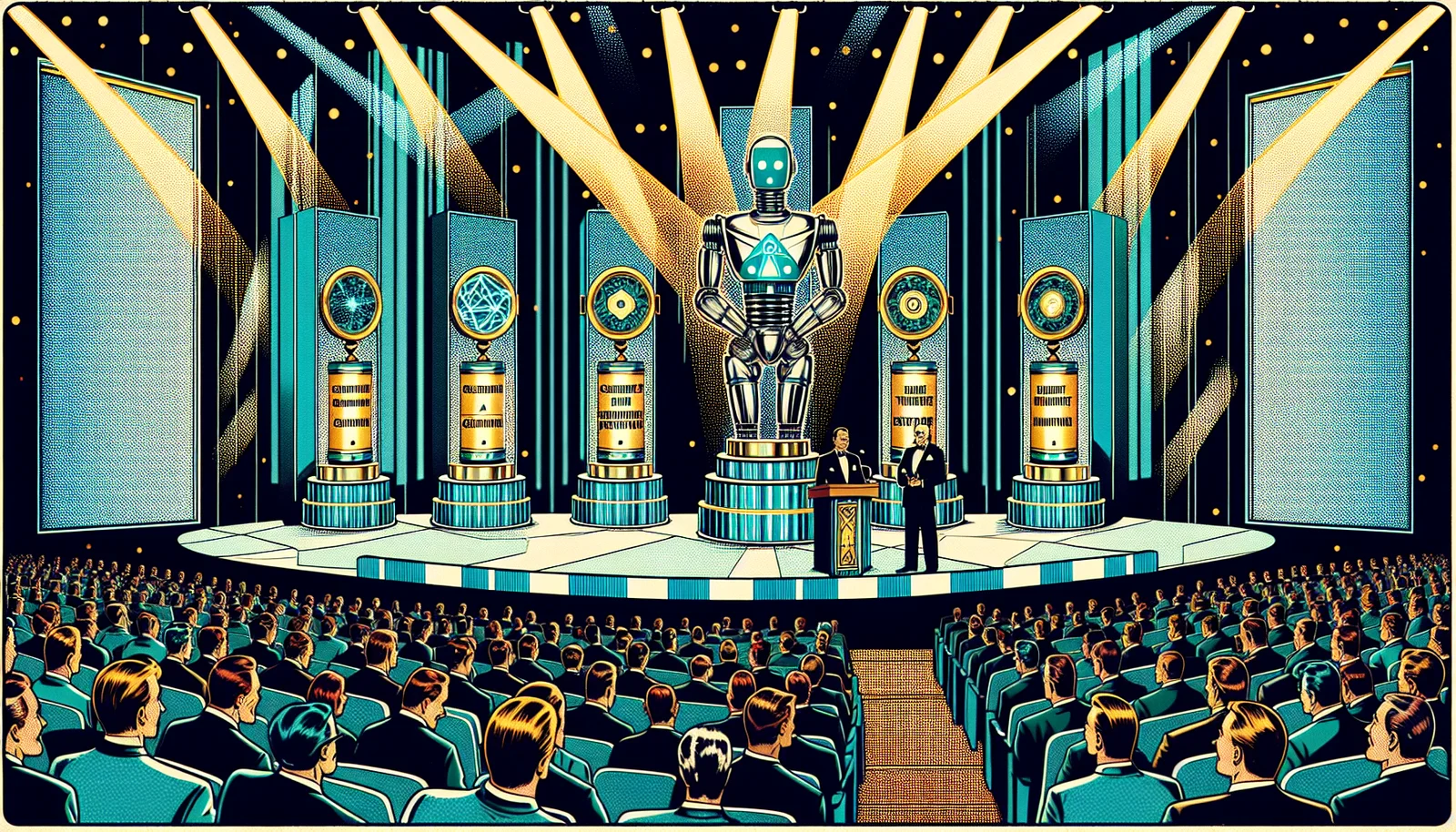
Agentic AI Defense Dominates the 2026 Cybersecurity Excellence Awards at RSA
The 2026 Cybersecurity Excellence Awards at RSA crowned AI security as its most competitive category, recognizing purpose-built tools for governing and protecting autonomous AI agents.

AI Security Takes Center Stage at RSA 2026
Something significant happened at the 2026 Cybersecurity Excellence Awards, announced during RSA Conference on March 25: for the first time, the dominant category was not endpoint protection, vulnerability management, or even zero trust architecture. It was AI security — specifically, the rapidly maturing generation of tools designed to protect AI agents, govern autonomous AI behavior, and detect threats that emerge when AI systems interact with real-world data and take autonomous actions.
A Category That Barely Existed a Year Ago
Holger Schulze, CEO of Cybersecurity Insiders, put the pace of change plainly: the awards organization reviewed purpose-built solutions for securing autonomous AI agents in 2026, a product category that essentially did not exist twelve months prior. The speed of that maturation is remarkable. In 2025, AI security primarily meant preventing data leakage in LLM prompts and protecting training datasets. In 2026, it means governing fleets of AI agents that take autonomous actions, access sensitive data, call external APIs, and operate on behalf of organizations — all without direct human oversight of each individual action.
AI Security Drew the Deepest Competition
The AI security category attracted more nominations and more intense competition than any other in this year's awards — a reflection of both the pace of innovation and the urgency enterprises feel about getting AI governance right before they scale deployments. Award entries spanned AI governance platforms, agentic security tools, runtime protection for AI systems, AI-powered threat detection, identity verification for AI agents, and data protection frameworks that account for AI-specific attack vectors.
That breadth signals something important: there is not one problem to solve in agentic AI security. There are several interconnected ones, and the cybersecurity industry is building solutions to all of them simultaneously.
Standout Winners
Keeper Security took home the Most Innovative Cybersecurity Company award, reflecting strong execution on password and secrets management in an environment where AI agents increasingly handle credentials and API keys on behalf of users. RegScale earned a Gold Award in Continuous Controls Monitoring — a category that has taken on new significance as organizations build compliance frameworks that account for AI-generated actions and decisions requiring audit trails.
From Reactive to Predictive Defense
The most encouraging theme across this year's nominated platforms was the shift from reactive to predictive defense. Several nominees demonstrated the ability to identify and remediate vulnerabilities before they become publicly known — using global telemetry, behavioral analysis, and AI-driven reasoning to anticipate attacks rather than simply respond after the fact. That shift represents the genuine maturation of how the security industry deploys AI: not just to detect attacks faster, but to get ahead of them.
Cybersecurity Insiders is conducting an AI Defense Gap survey at RSA interviewing more than 150 CISOs and senior security leaders, with findings due shortly after the conference. The results will provide ground-level insight into where enterprises feel most exposed in their agentic AI deployments.
Sources: GlobeNewswire (March 25, 2026), Hackread (March 25, 2026), SC Media (March 2026)
More Ai Security Stories

Anthropic OSS Scanner: Free AI Bug Scans for Open Source
Anthropic's OSS Scanner gives open-source maintainers free AI vulnerability scans with fixes; 85 of 97 tested severe findings met its disclosure bar.

What Is Prompt Injection? A Plain-English Defense Guide
What is prompt injection? Learn direct vs indirect attacks, 9 real scenarios, and the 7 OWASP-backed defenses that keep AI assistants and agents safe.

GitHub AI Secret Detection: How Push Protection Gets Smarter
GitHub is adding a ModernBERT classifier to push protection that spots unstructured passwords in under 2 ms and could more than double blocked secrets.