
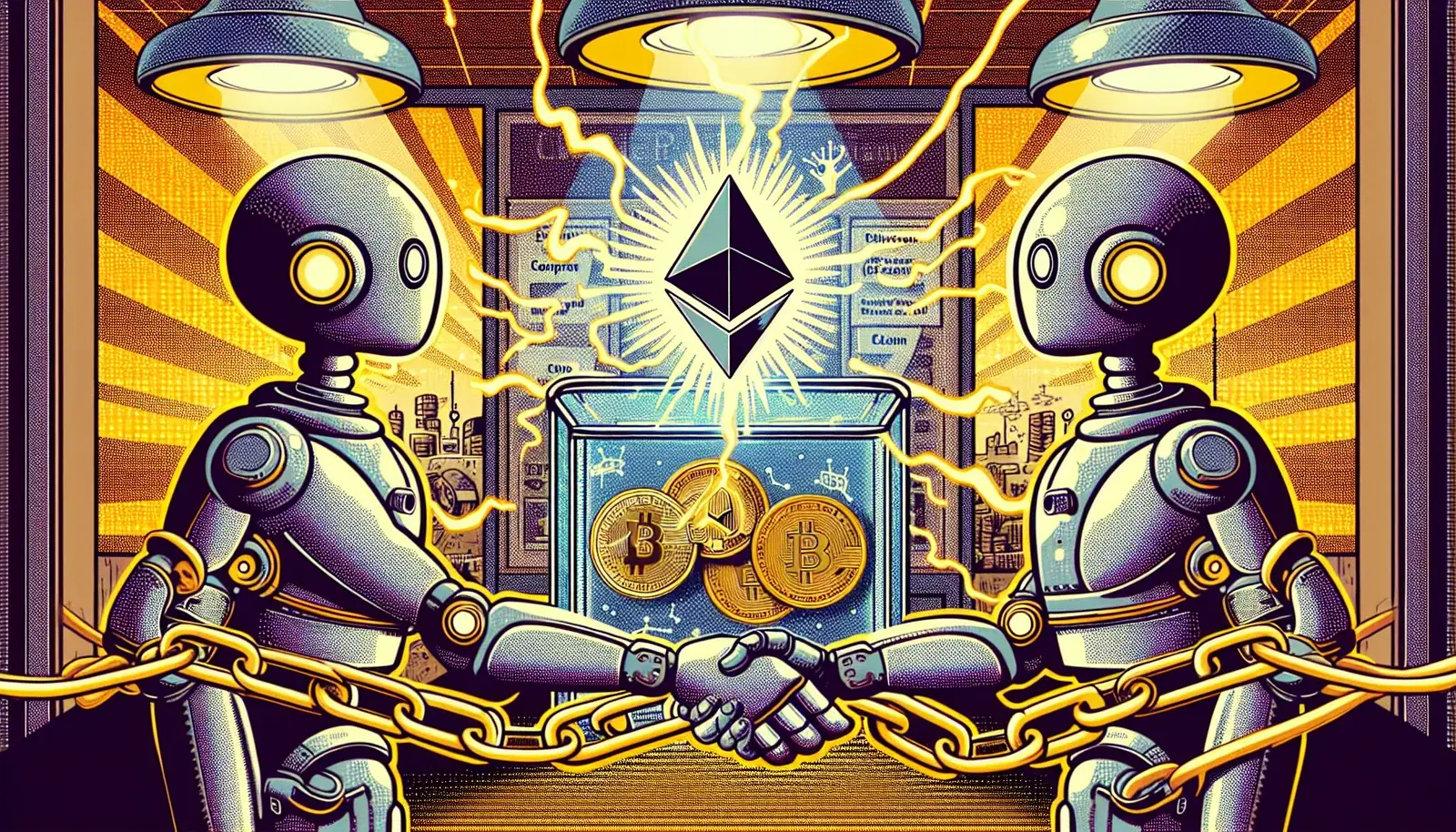
Cardano x402 Support: What It Means for AI Agent Payments
Cardano joins the official x402 SDK, letting AI agents pay per API request in ADA over HTTP 402, with a TypeScript release now and Python next.

Pay-Per-Request Comes to Cardano
Cardano has joined the official x402 software kit, the open standard that lets apps and AI agents pay for things inside an ordinary web request. CoinDesk reported the addition on September 21. The first release supports TypeScript, with Python planned next, and the Cardano Foundation has published an open-source payment facilitator to go with it.
- What x402 does: turns the web's long-unused HTTP 402 Payment Required status into a way to pay inline, per request
- What is new: Cardano support in the official x402 SDK, starting with TypeScript
- Status: proven end to end on Cardano's preprod test network; mainnet awaits a readiness checklist
- Company it keeps: Solana, the XRP Ledger and several Ethereum-compatible networks already support x402
How Does x402 Work for AI Agents?
The flow is simple. An agent requests a resource. The server replies with 402 and the price plus payment instructions. The agent signs a payment, resends the request, and receives the data or compute once the payment is verified. CoinDesk's example captures the appeal: an agent preparing a report could buy a single dataset when it needs it, without a person opening an account, entering card details or signing up for a monthly subscription.
x402 was created by Coinbase in 2025 and has since been contributed to a Linux Foundation-backed organization whose members include Visa, Mastercard, Stripe, Google and Amazon Web Services. We covered its early momentum in Coinbase's Agentic.market expansion, and Cardano's arrival shows the standard continuing to spread across chains.
What Is Inside the Cardano x402 Facilitator?
A facilitator is the service that checks a signed payment and gets it onto the chain. The Cardano Foundation's version, on GitHub, is written in Java 21 with Spring Boot and verifies and submits payments without ever holding keys or signing transactions itself. That keeps custody with the payer, which is the right design for autonomous software.
- Tested: 166 passing unit tests, plus a real end-to-end proof on preprod
- Payment styles: plain address-to-address transfers, a vested-escrow mode and Plutus script locks
- Settlement options: the facilitator can broadcast the transaction, or the payer can broadcast and the facilitator confirms it
- Safety: journaled state and rollback detection, with evidence levels from mempool acceptance through chain depth
When Will Cardano x402 Reach Mainnet?
Not yet, and the team says so plainly. The repository warns against production use until its deployment checklist is complete, and CoinDesk notes no commercial payment volume has been demonstrated so far. That honesty is welcome. For builders, the right move today is to experiment on preprod, wire up a paid endpoint and see how agent payments feel in practice.
Why It Matters
Machine-to-machine payments are one of the most practical crypto use cases on the horizon, and every major chain that adopts the same standard makes the whole idea more useful. More chains mean more choice for developers and more places agents can pay, much like the spending controls we saw with Cloudflare's wallets for AI agents. Follow the story in our crypto coverage.
Sources: CoinDesk — September 21, 2026; Cardano Foundation on GitHub — accessed September 22, 2026.
More Crypto Stories
SEC Crypto Custody Proposal: What It Means for Advisers
The SEC proposed crypto custody rules on Oct 1 letting advisers and funds use state trust companies and self-custody. Public comments run for 60 days.

Evernorth XRPN Nasdaq Debut: Inside the 473M XRP Treasury
Evernorth won its SPAC vote and plans to list on Nasdaq as XRPN on October 8, holding about 473 million XRP backed by over $1 billion in funding.
Roughrider Coin: How 90+ North Dakota Banks Settle on Solana
Fiserv's digital asset platform is live with Roughrider Coin: a dollar-backed stablecoin linking 90+ North Dakota banks on Solana. Here is how it works.