
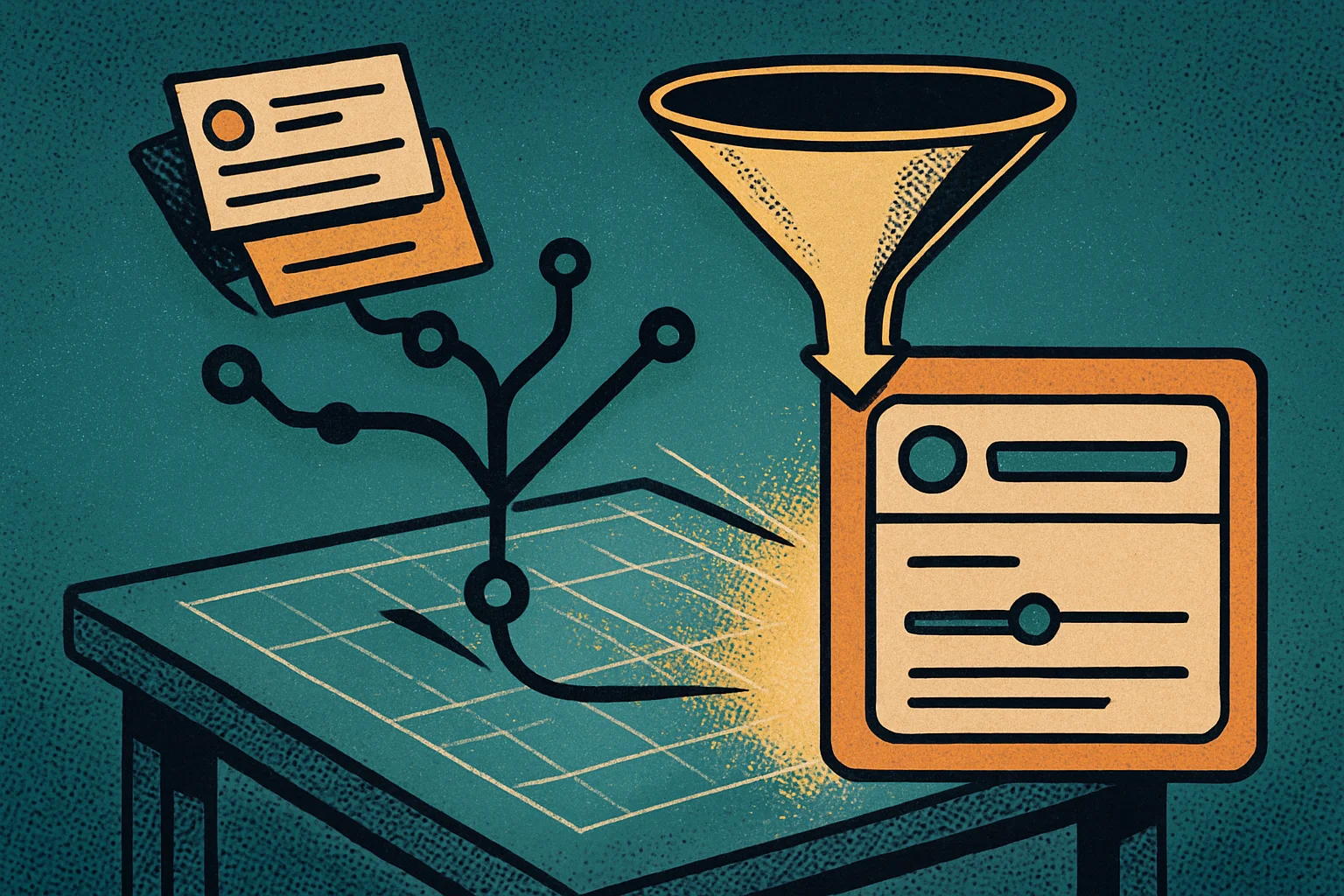
Claude Design Overhaul Adds Design System Imports and Code Round-Trips
Anthropic's June 2026 Claude Design update adds design system imports, code round-trips, and a canvas editor for seamless, on-brand designer-developer handoffs.

A Smarter Bridge Between Design and Code
On June 17, 2026, Anthropic shipped a major update to Claude Design, its visual design tool, and the theme running through every change is the same: closing the long-standing gap between the people who design software and the people who build it. For years, that handoff has been where good ideas quietly degrade — a pixel-perfect mockup becomes an approximation once it hits a real codebase. This release takes direct aim at that problem.
The headline capability is design system imports. Teams can now bring in one or more design systems from a GitHub repository, from design files, or from raw uploads. Claude then builds using those actual components rather than improvising generic ones. Crucially, it auto-corrects its own output against your brand guidelines *before* showing you results. That ordering matters: instead of generating something off-brand and asking you to fix it, the system checks itself first.
Why the Code Round-Trip Changes the Workflow
The feature I find most genuinely forward-looking is the new code round-trip workflow. A designer can hand a visual design directly to Claude Code, and a developer can continue from the *real* component library — not a screenshot, not a redline spec, but the live components. The flow also runs in reverse: you can start in code and sync back to the visual canvas. Two new terminal commands, /design-sync and /design, drive this exchange.
Keeping a Single Source of Truth
What makes this powerful is that it treats design and code as two views of one underlying artifact rather than two separate deliverables that drift apart. When a developer's changes can flow back to the designer, and a designer's intent arrives as usable components, the team stops maintaining two competing versions of the truth. That is the kind of structural fix that compounds over time.
Editing Without Regenerating
Claude Design also gains a canvas editor that supports drag, resize, and align edits without triggering a full model regeneration. This is a thoughtful piece of interaction design. Generative tools are wonderful for producing a starting point, but precise nudges have historically meant re-rolling the entire output and hoping the good parts survive. Letting humans make small deterministic adjustments directly — while reserving the model for the heavy lifting — respects how creative work actually happens.
Efficiency That Users Will Feel
Finally, Claude Design now shares usage limits with chat, Cowork, and Claude Code, so teams draw from one unified pool. Anthropic reports it has cut average token consumption per turn and reduced error rates. These are not glamorous numbers, but they are the ones that determine whether a tool is pleasant to live in day to day. Lower token use per turn means more iterations before you hit a ceiling, and fewer errors means less time spent babysitting output.
Taken together, this overhaul reflects a maturing philosophy about AI in creative pipelines: the goal is not to replace the designer-to-developer relationship but to make it seamless, keep generated assets on-brand by construction, and do it all more efficiently. That is exactly the direction I want to see these tools heading.
Sources: VentureBeat — "Anthropic ships major Claude Design overhaul with design system imports, code round-trips" — June 17, 2026; TechRepublic — "Anthropic Adds Brand Controls, Code Sync to Claude Design" — June 18, 2026.
More AI Stories

Strands Decider 2B: What Amazon's Free Decision Model Does
Strands Decider 2B is a free 2B-parameter decision model that picks options in about 115ms on a single GPU. Here is how it works and where it fits.
Meta Muse Gadgets SDK: Build Your Own AI Agent Hardware
Meta's open-source Muse Gadgets SDKs bring its Muse agent to Raspberry Pi and ESP32 builds, and 5,000 free Home Link dongles are going to subscribers.

AstaBrief 8B: Ai2's Open Model for Cited Science Reports
AstaBrief 8B is Ai2's Apache 2.0 open model that writes cited research reports in 51 seconds, 3.5x faster than its Claude pipeline. Here is how it works.