
Anthropic Launches Claude Code Channels for Telegram and Discord
Developers can now control a local Claude Code session from Telegram or Discord, sending messages that flow through chat apps to a local instance with full filesystem access.

Coding From Your Chat App
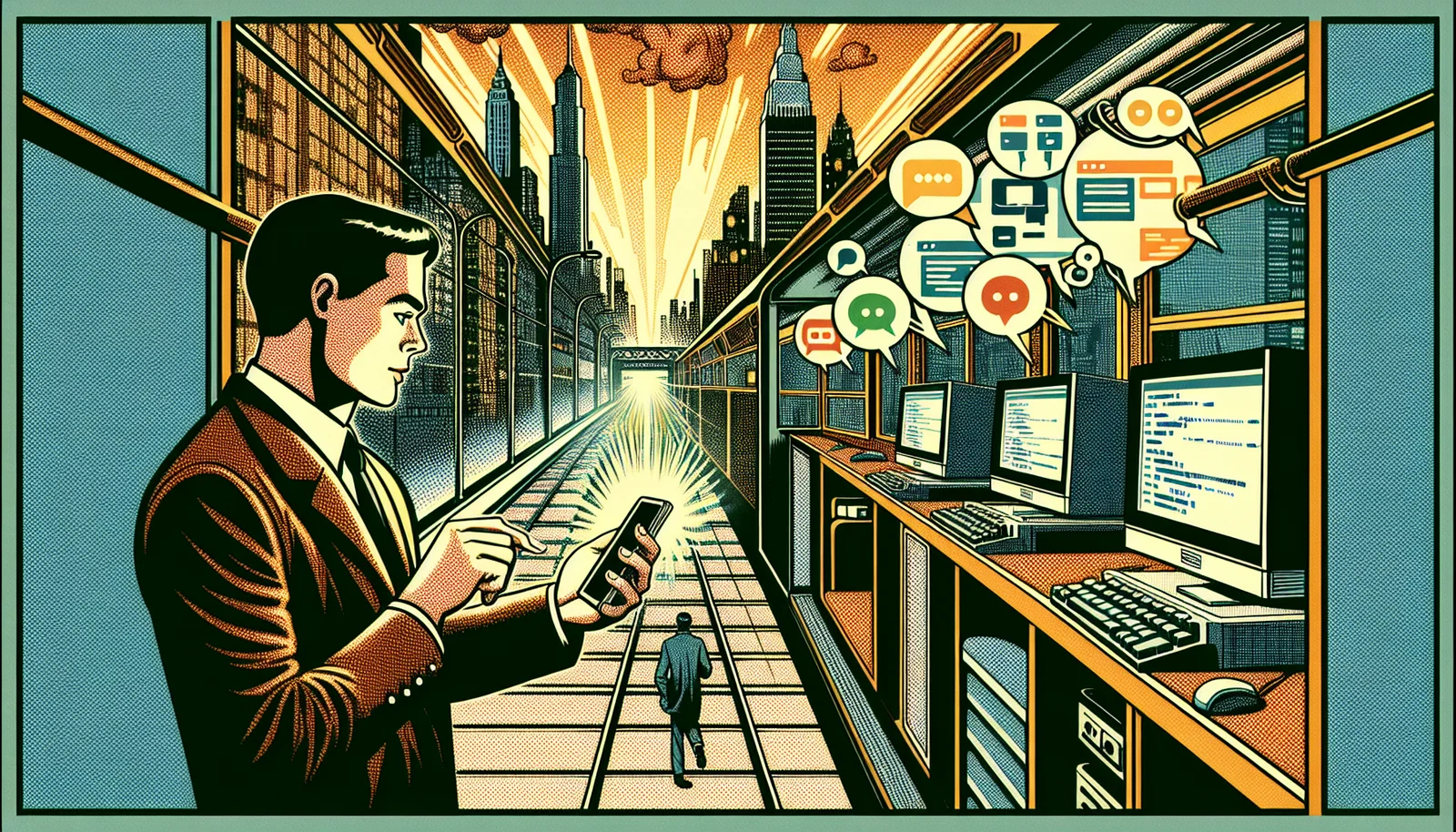
Anthropic released something genuinely clever on March 20 — Claude Code Channels, a research preview that lets developers control a local Claude Code session directly from Telegram or Discord. The idea is deceptively simple: messages sent through your favorite chat app flow to a Claude Code instance running on your machine, which has full access to your filesystem, git repositories, and any MCP (Model Context Protocol) servers you have configured. The responses flow back through the same channel.
This means you can be on your phone, riding the train, and ask Claude to review the latest pull request, run your test suite, or scaffold a new feature — all through a Telegram message. The AI agent running on your development machine does the actual work while you interact through an interface you already use every day.
Built on Open Standards
What makes Claude Code Channels architecturally interesting is that it builds on the open-source Model Context Protocol standard rather than creating a proprietary remote access layer. MCP defines how AI agents interact with local tools, data sources, and services. By using this protocol as the foundation, Anthropic has created a system that is both extensible and transparent — developers can inspect exactly what capabilities the agent has access to and add new tool integrations through standard MCP servers.
The channel system supports both Telegram and Discord as frontends, with each platform's native features available. You can share code snippets, receive formatted responses, and even use thread-based conversations to maintain context across multiple development tasks. The local Claude Code instance maintains its full context window and tool access regardless of which chat platform you are messaging from.
Why This Matters for Developer Workflows
The research preview addresses a real friction point in AI-assisted development. Currently, using Claude Code typically means sitting at your development machine with a terminal open. Claude Code Channels decouples the interaction layer from the execution layer — your development environment stays where it is, but you can reach it from anywhere through a lightweight chat interface.
For teams, the Discord integration opens up interesting collaboration possibilities. A shared Discord channel connected to a Claude Code instance could serve as a team-wide AI development assistant, where any team member can request code reviews, ask architecture questions against the actual codebase, or trigger automated workflows. The MCP foundation means the agent can be connected to project management tools, documentation systems, and CI/CD pipelines alongside the filesystem.
This is still a research preview, so rough edges are expected. But the core concept — making powerful AI coding agents accessible through the chat apps developers already live in — feels like a natural evolution of how teams will work with AI assistants going forward.
Sources: VentureBeat (March 20, 2026), MacStories (March 20, 2026)
More AI Stories

Google AMIE Lancet Study: What 98 Clinic Patients Showed
Google's AMIE diagnostic AI talked with 98 real clinic patients before their visits, and its diagnosis lists matched doctors' final calls 90% of the time.

Microsoft-Decision-1: A $0.042 Decision Model on Foundry
Microsoft-Decision-1 scores yes/no and multiple-choice decisions in a single pass on Foundry for $0.042 per million input tokens, with free output tokens.

Gemini Agent for Work: What Google's Universal Agent Does
Google's new Gemini agent runs multi-day jobs in the cloud, routes work across Gemini and Claude models, and adds hard spend caps for business teams.