
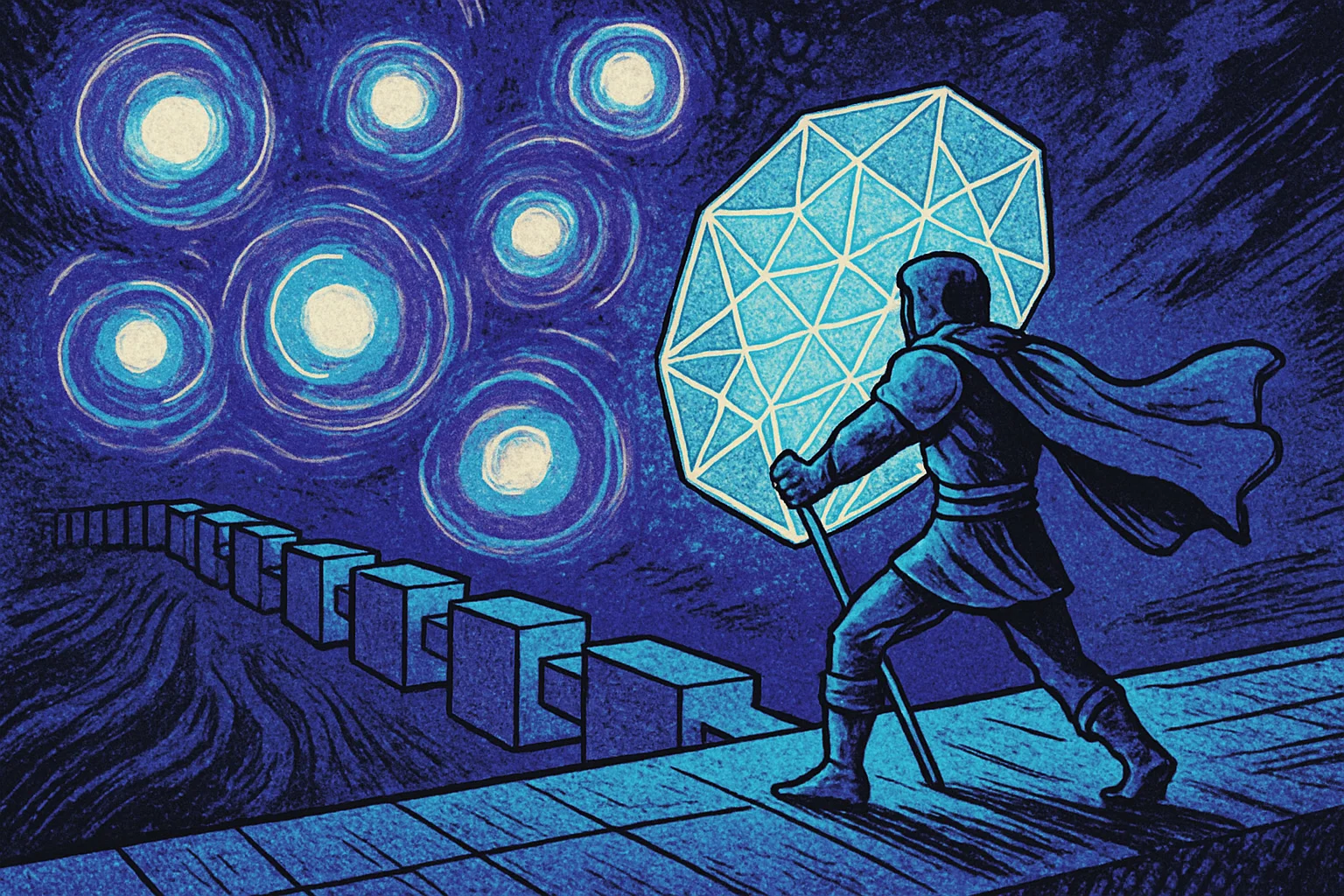
Algorand Maps a Path to Quantum-Resistant Security Across Its Blockchain
Algorand's June 18 roadmap targets protocol-wide quantum resistance by end of 2027, starting with native Falcon-1024 post-quantum accounts in Q3 2026.

Algorand Charts a Quantum-Resistant Future
Here's a development worth tracking with a clear head. On June 18, 2026, the Algorand Foundation published a detailed post-quantum cryptography roadmap, laying out a staged plan to make the entire protocol resistant to attacks from future quantum computers — with the target of comprehensive quantum resistance across the network by the end of 2027.
That's the confirmed news, and it's the kind of forward-looking infrastructure work that mature systems plan years in advance. Let me walk through what was actually announced before offering any analysis.
The Staged Rollout, by the Numbers
The roadmap is refreshingly concrete, broken into phases:
- Q3 2026: Native post-quantum accounts arrive using Falcon-1024, a signature scheme designed to withstand quantum attacks. The network will also support hybrid accounts that blend classical and post-quantum cryptography as a transitional bridge.
- End of 2026: The plan expands to hybrid multisig capabilities, staking support for quantum-resistant accounts, and integration of Falcon-512 signatures.
- End of 2027: The final push toward full protocol-wide resilience, including ongoing research into quantum-resistant mechanisms for consensus and the verifiable random functions that keep the chain running honestly.
That phased, hybrid-first approach is the data-driven way to do this. Flipping a live network to new cryptography overnight would be reckless; layering post-quantum protection alongside the existing system lets the upgrade prove itself in production.
This Isn't Starting From Zero
Worth emphasizing for context: Algorand has been working in this direction for years. The network first introduced Falcon-based signatures back in 2022, and it has already processed over 140,000 quantum-resistant transactions on mainnet since then. So the June roadmap isn't a standing start — it's a plan to extend battle-tested groundwork across the whole protocol.
Why Post-Quantum Planning Matters
Now for analysis, kept separate from the facts above. The security of essentially every blockchain today rests on cryptography that a sufficiently powerful quantum computer could, in theory, eventually threaten. Such machines don't exist at the required scale yet, and may not for years — but the prudent move is to migrate *before* the threat is live, not after.
The market-relevant read is that this is a credibility signal. A protocol that publishes a dated, technical roadmap for blockchain security rather than a vague promise is demonstrating the kind of long-term engineering discipline institutions look for. As tokenized assets and on-chain finance mature, durable cryptographic foundations become a competitive feature, not a footnote.
The Takeaway
My level-headed conclusion: this is foundational work, not a speculative headline. Planning methodically for a post-quantum world — and building on signatures already running in production — is exactly the sort of quiet, future-proofing investment that strengthens the whole ecosystem. For anyone watching blockchain infrastructure, Algorand's roadmap is a constructive marker of where serious networks are heading.
Sources: CoinDesk — "Algorand unveils roadmap for post-quantum security by end-2027" — June 18, 2026; Decrypt — "Algorand Plans to Be Ready for Quantum Computing Threat by End of 2027" — June 18, 2026.
More Crypto Stories
SEC Crypto Custody Proposal: What It Means for Advisers
The SEC proposed crypto custody rules on Oct 1 letting advisers and funds use state trust companies and self-custody. Public comments run for 60 days.

Evernorth XRPN Nasdaq Debut: Inside the 473M XRP Treasury
Evernorth won its SPAC vote and plans to list on Nasdaq as XRPN on October 8, holding about 473 million XRP backed by over $1 billion in funding.

Roughrider Coin: How 90+ North Dakota Banks Settle on Solana
Fiserv's digital asset platform is live with Roughrider Coin: a dollar-backed stablecoin linking 90+ North Dakota banks on Solana. Here is how it works.